Safe Pastoral Care for Minors and Vulnerable Persons: Training Courses in Zaporizhzhia
The UCU Child Dignity Centre in collaboration with the Ukrainian Greek Catholic Church’s Office for Minors and Vulnerable Persons, held training courses entitled ‘Safe Pastoral Care for Minors and Vulnerable Persons’ for the clergy of the Donetsk Exarchate.

The courses took place on 22–24 September in Zaporizhzhia. Around 50 priests and nuns serving within the Exarchate took part. Some of the clergy are currently serving on a temporary basis due to the occupation of territories in western Ukraine, yet they also attended the training.

“It is very significant that the request to organise this event came from Bishop Maksym Ryabukha (Exarch of Donetsk, SVD – ed.) and the person responsible for security in the Exarchate. This shows that they recognise the need for such training and understand its importance. That is why working in Zaporizhzhia was very inspiring: the clergy showed commitment and sincerity; in other words, they were open to communication. “They genuinely wanted to understand what can be done so that, in cases of violence or unacceptable behaviour, they would know how to protect those who cannot do so for themselves – that is, children,” emphasised Ivanka Rudakevych, head of the “Church” division at the UCU Child Dignity Centre.
She added that it was important to the training participants that the lecturers were not afraid to come to Zaporizhzhia: “For them, it was a powerful sign that we didn’t just join online, but came to meet in person.”

In his opening remarks, Bishop Maksym Ryabukha emphasised that, despite the war, the Exarchate is doing a great deal of work with children: the Church involves several hundred children in various events – camps, craft workshops and other activities. This is essential because, due to the security situation, children are losing contact with their peers.
According to Ivanka Rudakevych, it is now more important than ever to discuss issues of abuse and violence in order to understand how to put a stop to them, particularly in wartime, when both children and adults are increasingly vulnerable.
During the training, members of the clergy learnt how to create a safe environment for children within the Church, to recognise which actions constitute abuse, and to understand how such actions affect a child’s future development.

In addition to Ivanka Rudakevych, Sister Tadeya Yartym, MNI, an officer at the Office for the Protection of Minors and Vulnerable Persons, and Father Sava Masnyk, deputy head of the Office for the Protection of Minors and Vulnerable Persons, addressed the attendees.
The training participants also analysed how to ensure a safe environment and what to look out for when recruiting staff to work with children. They examined the boundaries of acceptable and unacceptable behaviour and familiarised themselves with the Standards and Principles for the Protection of Minors and Vulnerable Persons in the Pastoral Activities of the Ukrainian Greek Catholic Church.

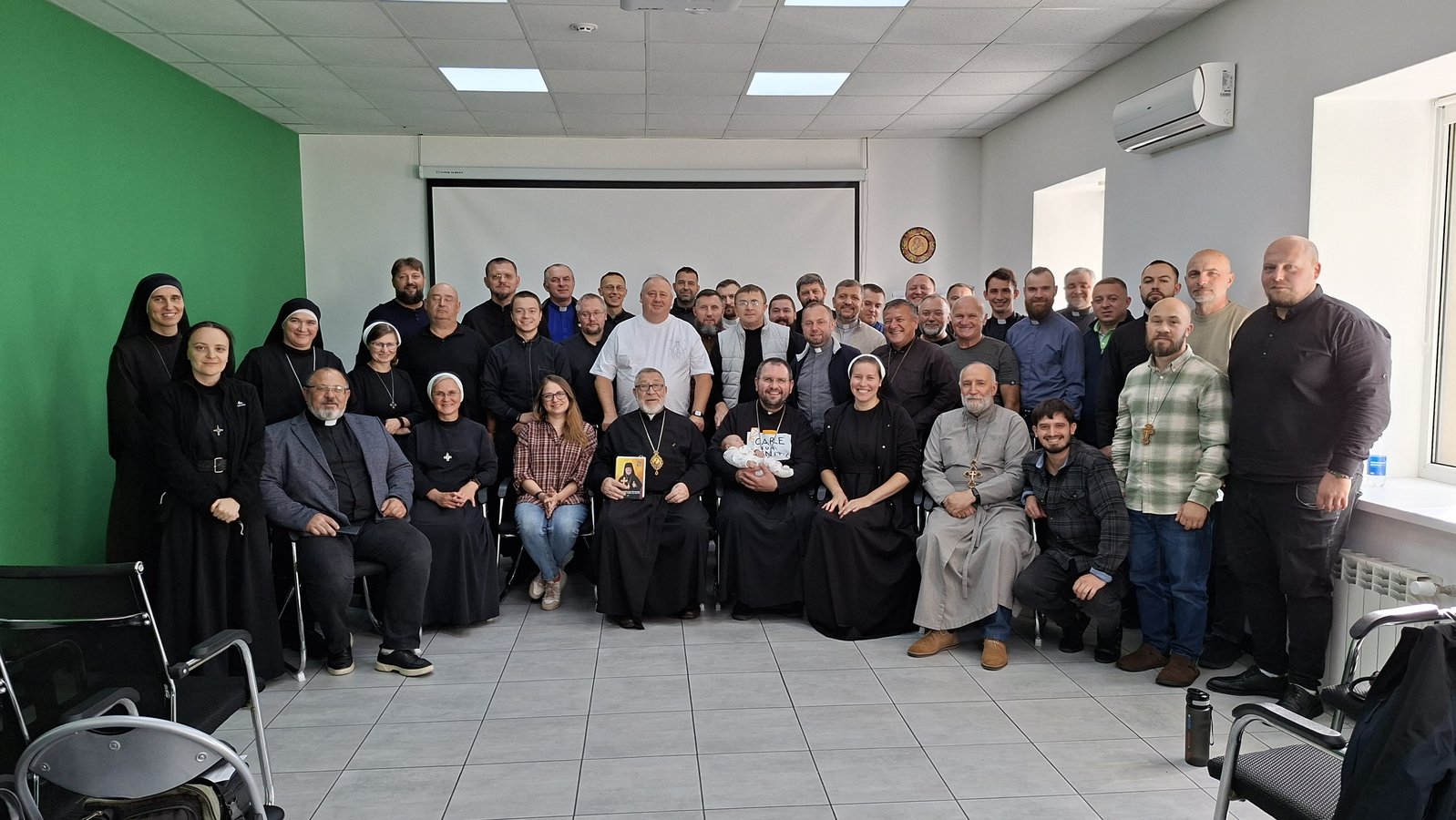
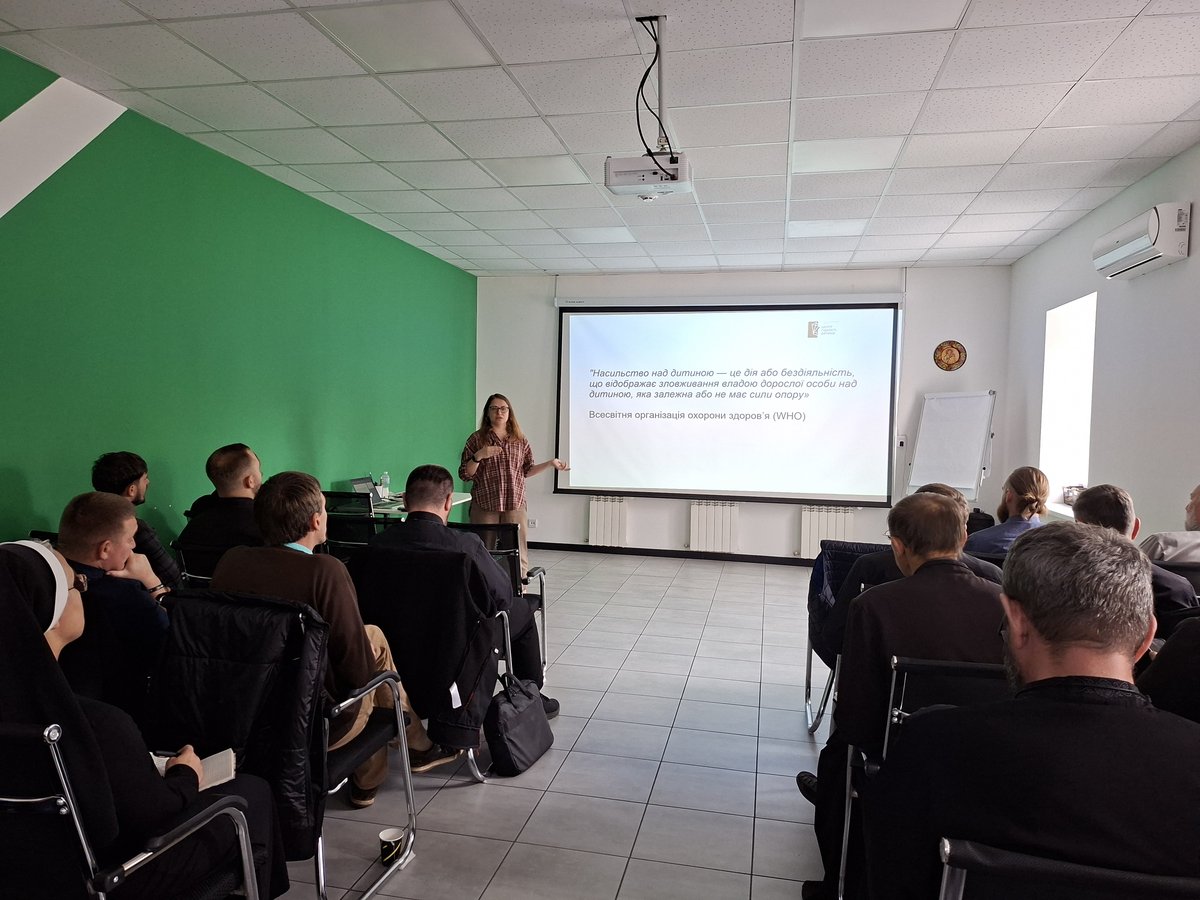
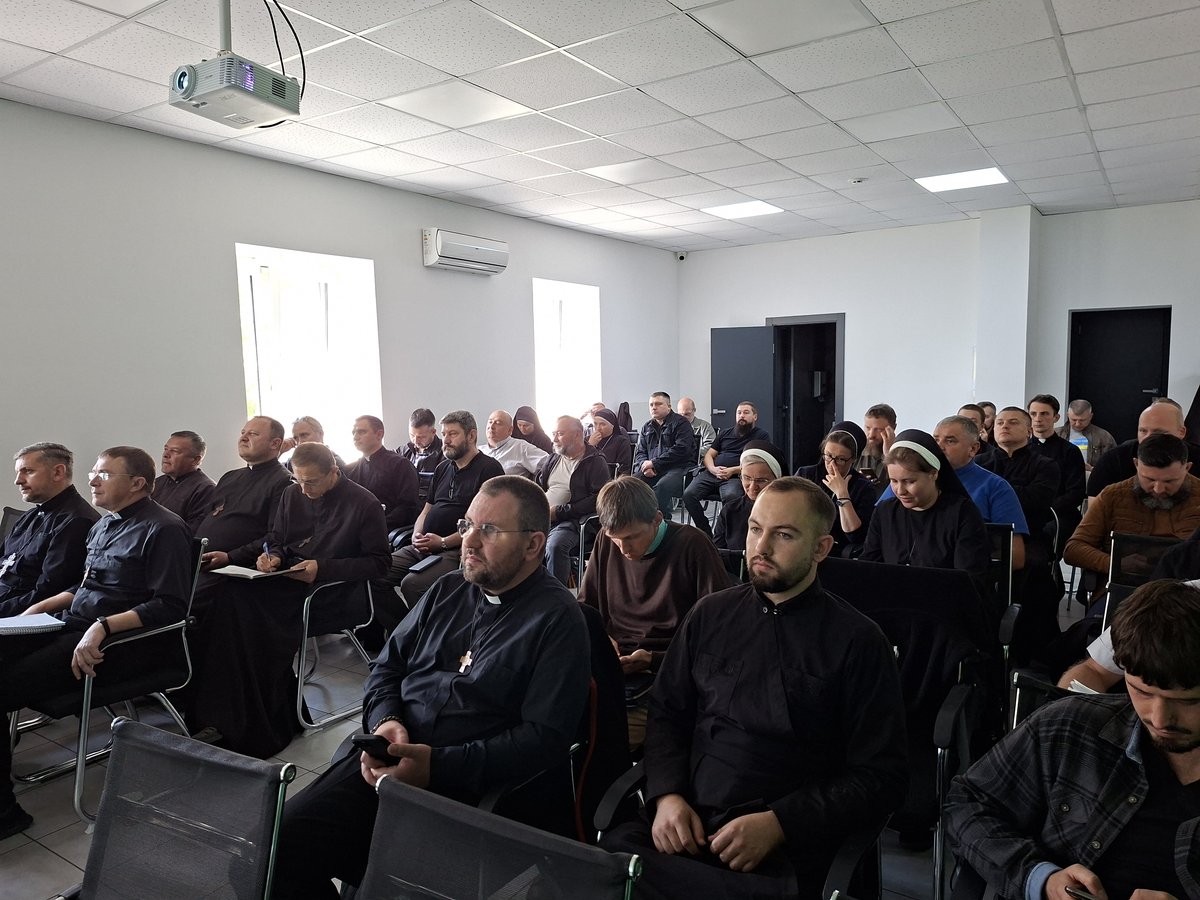
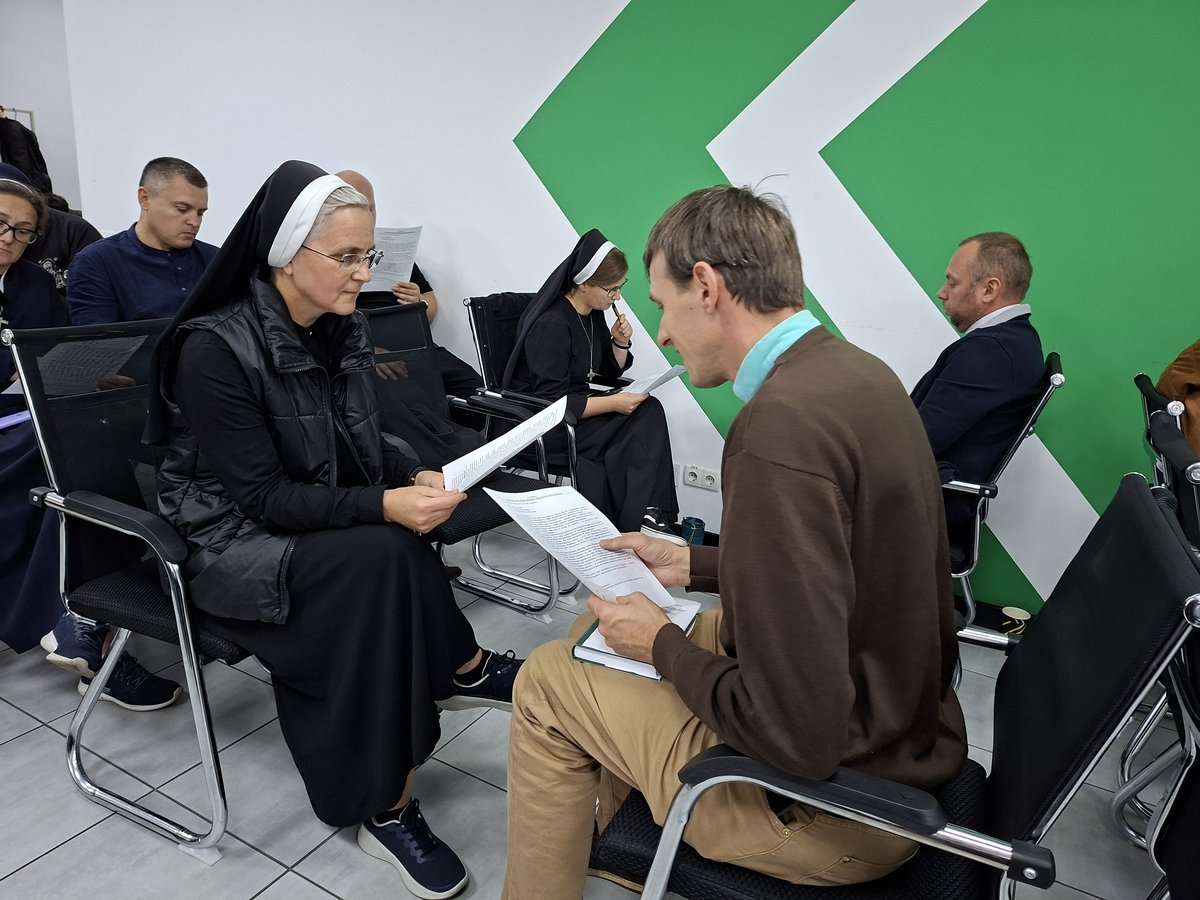
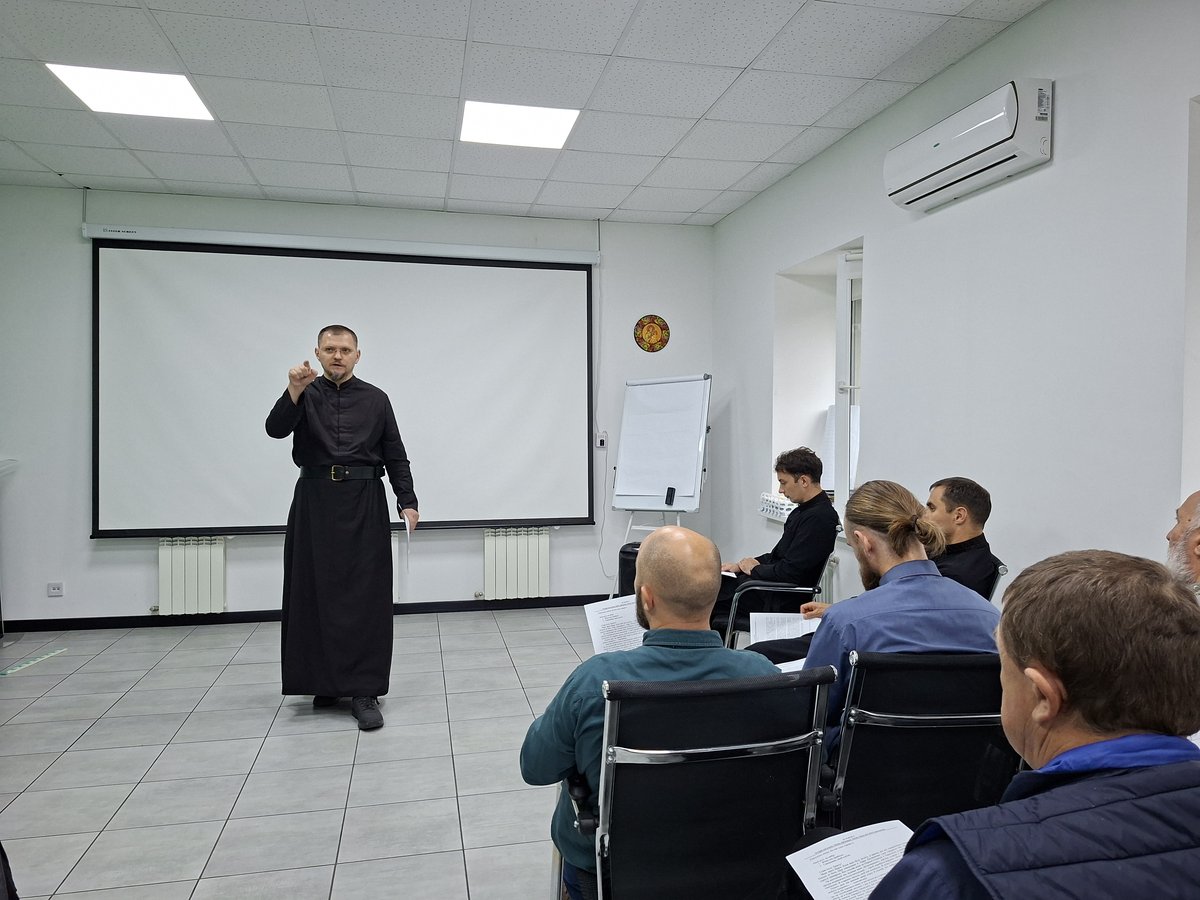
In comments to the UGCC Bureau for Minors and Vulnerable Persons, representatives of the clergy of the Donetsk Exarchate spoke positively about the courses.
Sr. Yelyzaveta, CSsR, organiser of the course for youth leaders in the Exarchate, emphasised that such initiatives are extremely important.
“I had the opportunity to learn how to identify ‘red flags’ and was given a thorough protocol for action in situations where one becomes aware of danger or abuse. I am therefore very grateful to the Centre and the Bureau for visiting our Exarchate,” she said.
Fr Vladislav Ignatyuk added that the training was intensive and of an exceptionally high standard: “We learnt about the different forms of harm and abuse that can occur. The main question I had was: how can we prevent this? Thank you for all the tools you have provided us with to improve our ministry.”
Fr. Mykhailo Neizhmak adds that it was important for the clergy to hear how, in today’s world, to approach young people and children, and to learn how to interact with them appropriately.