Children’s Safety as a Shared Responsibility of the Church: Presentation of a Project by the Child Dignity Center of UCU in the Czech Republic
Prague has become another point on the map of the Center’s international project: on January 21, the exhibition “Recognize. React” was opened here, and the Czech version of the online course “Safeguarding: Child Safety in the Church Environment” was presented. Thus, the Czech Republic became the sixth country to join the initiative, following Ukraine, Poland, Slovakia, Germany, and Slovenia.

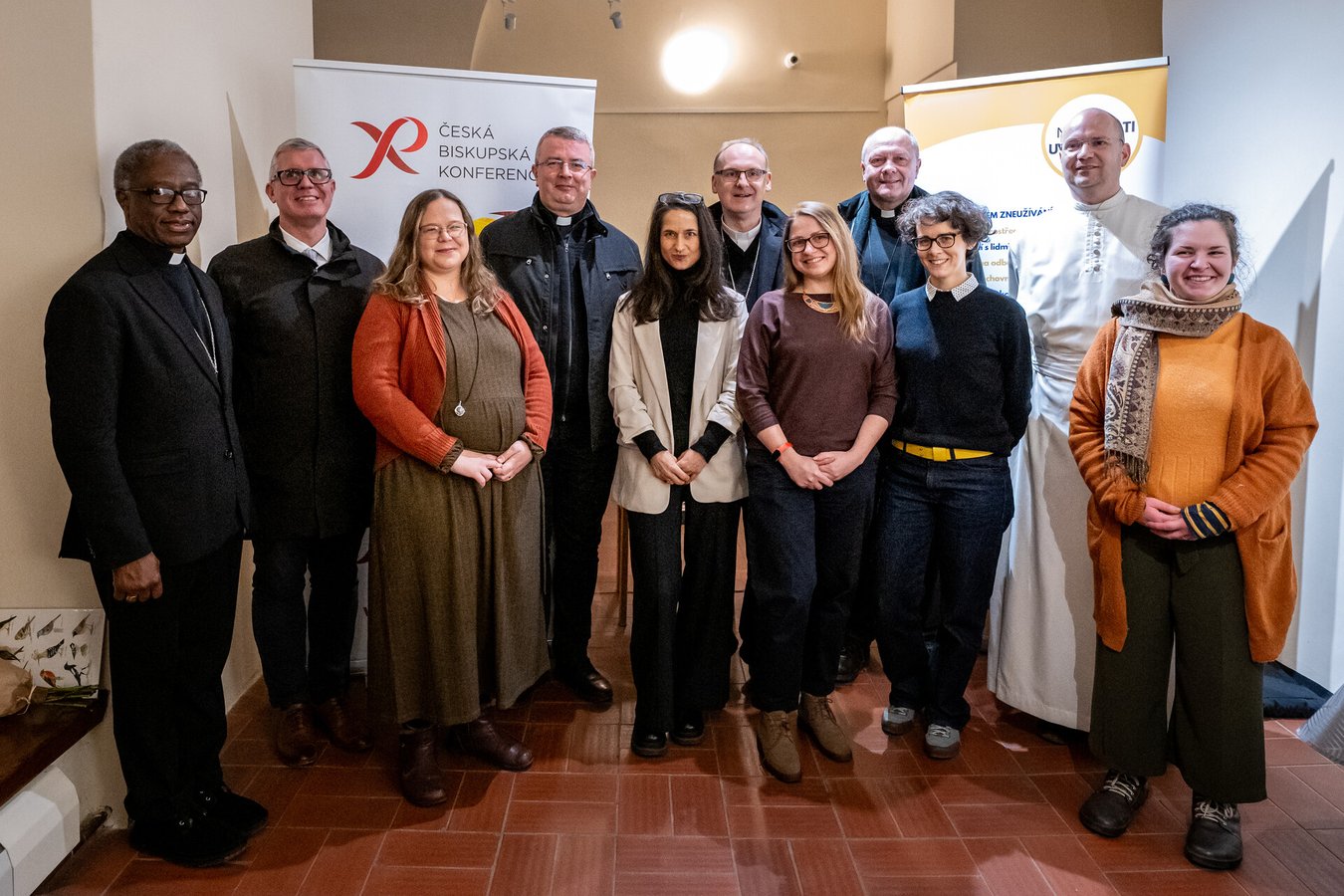
The event was organized in cooperation with the organization Někdo Ti uvěří, which provides support to survivors of abuse, and the Czech Bishops’ Conference of the Catholic Church. This was the first time these two institutions joined efforts as partners in the area of safeguarding vulnerable persons in the Church. Such cooperation gave the event not only a presentational but also a symbolic meaning — as the beginning of dialogue and collaboration in the field of abuse prevention.
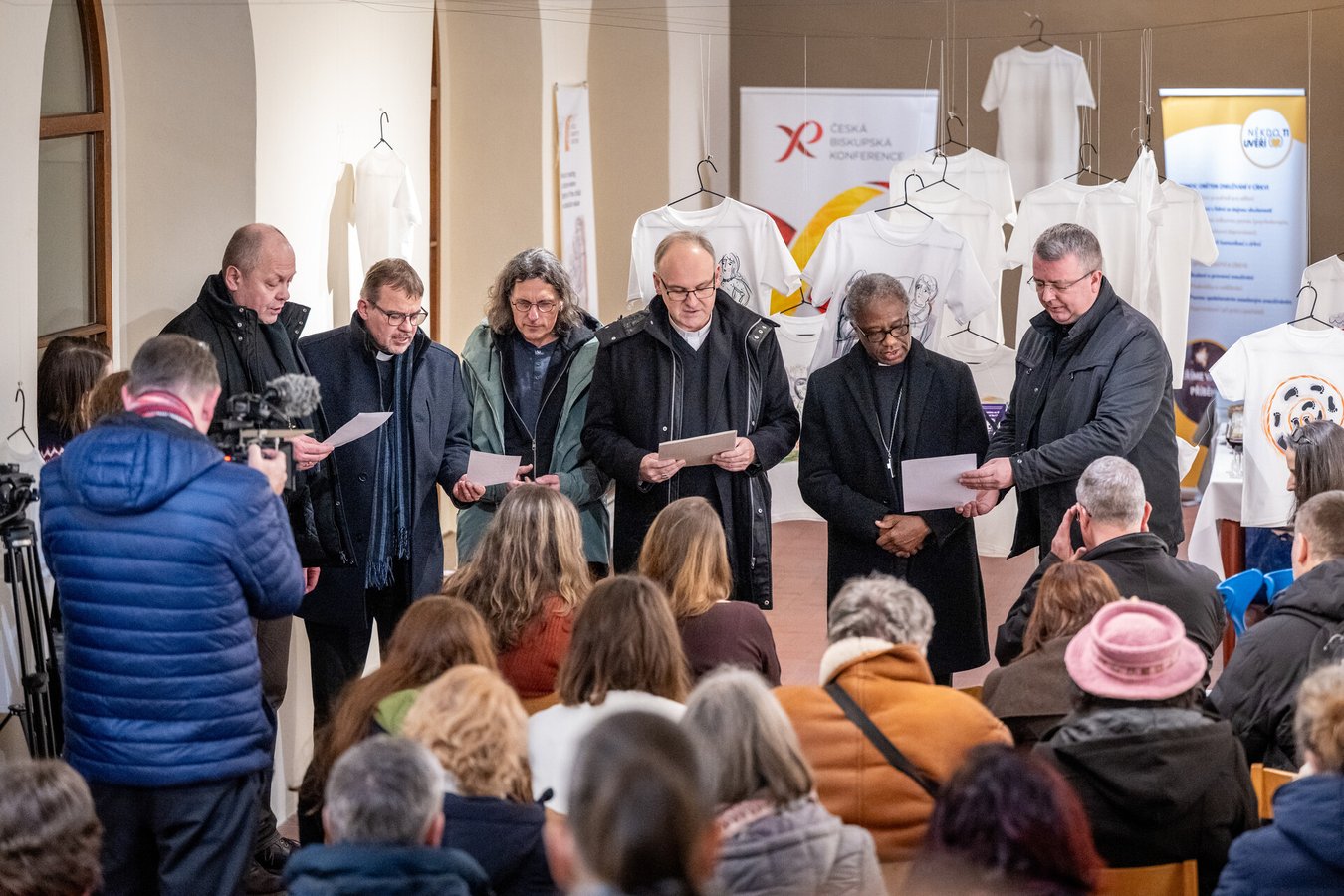
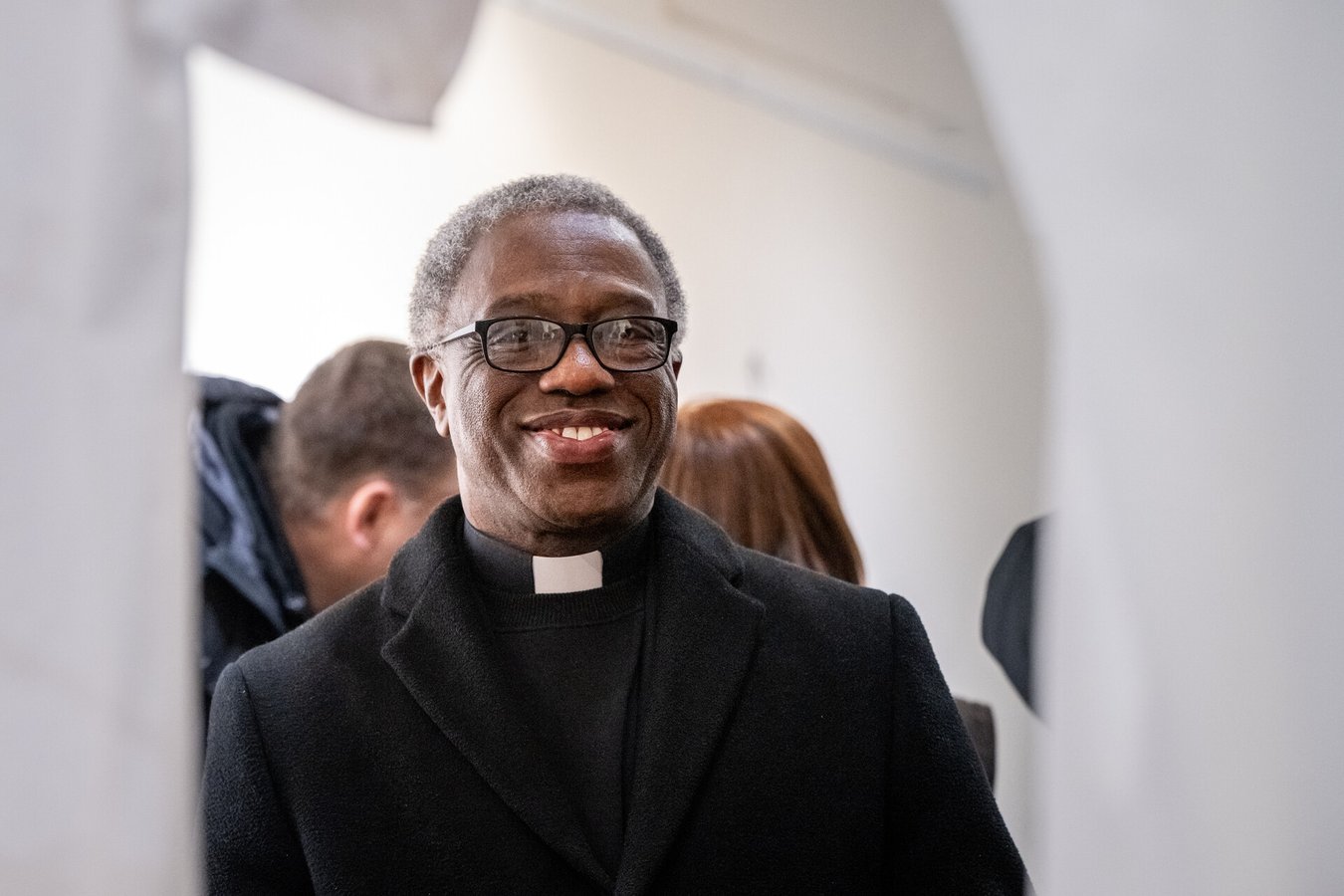
The event was opened by the representative of the Holy See in the Czech Republic, Apostolic Nuncio Jude Thaddeus Okolo. Together with the bishops and the President of the Ecumenical Council of Churches, Pavel Pokorný, he led a joint prayer that the Church be sensitive to survivors and work responsibly for their protection.
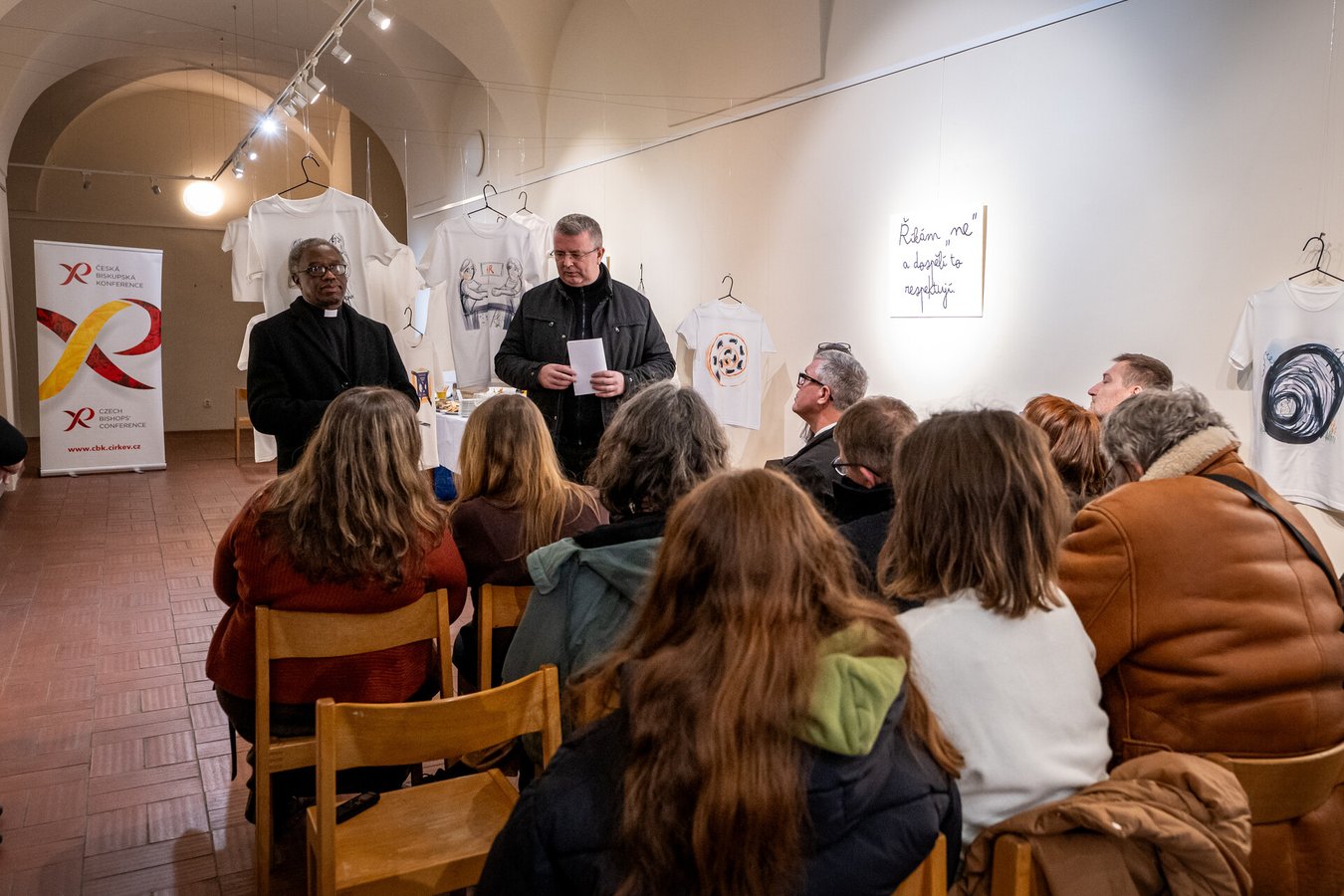
On behalf of the Czech side, Stanislav Přibyl, Chair of the Commission for the Prevention of Abuse and the Protection of Minors at the Czech Bishops’ Conference of the Catholic Church, addressed the audience. Also speaking at the opening were Jiří Kylar, head of the NGO Někdo Ti uvěří, which works with survivors of abuse, and Fr. Marek Drábek, co-author of the Czech version of the online course.


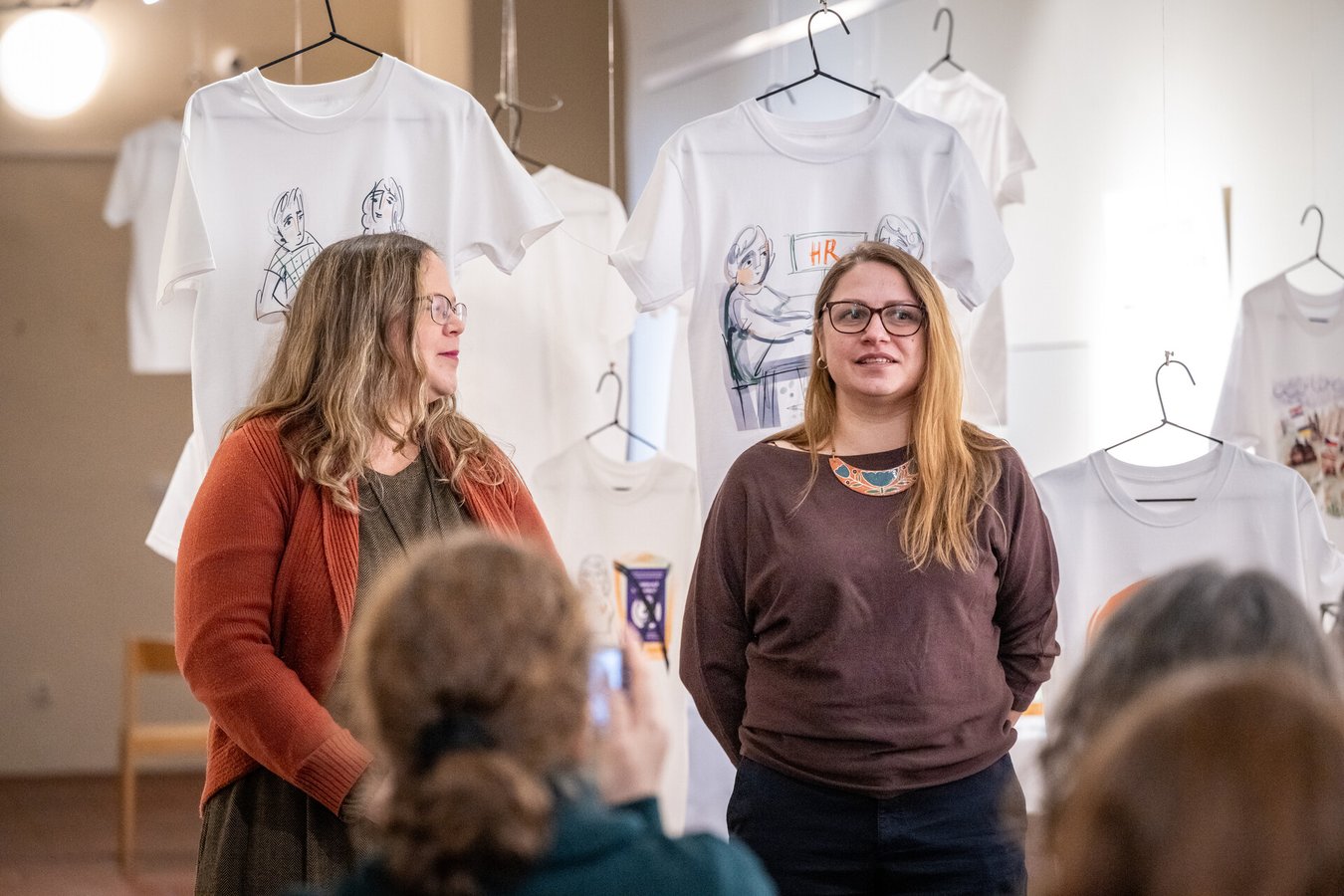
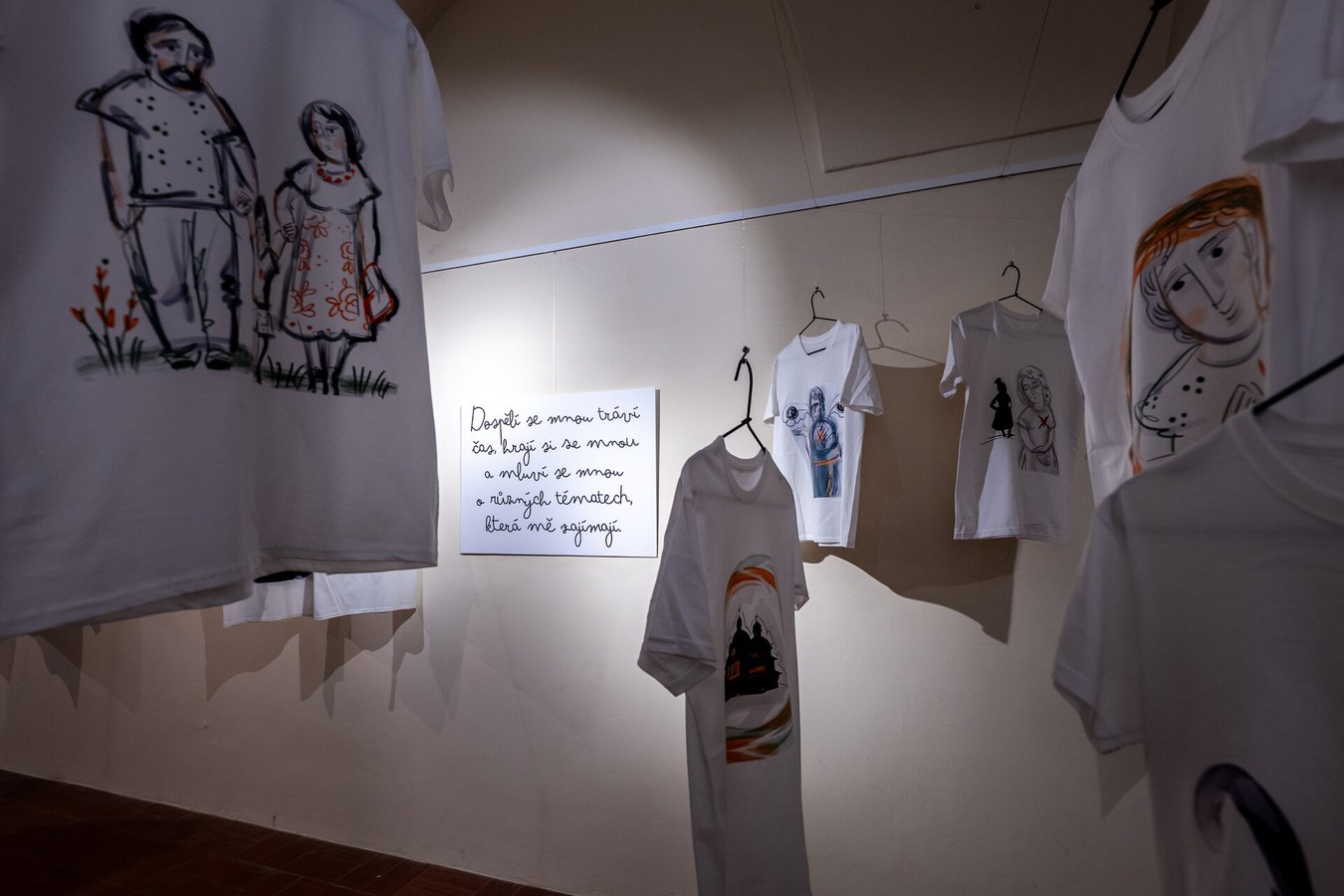
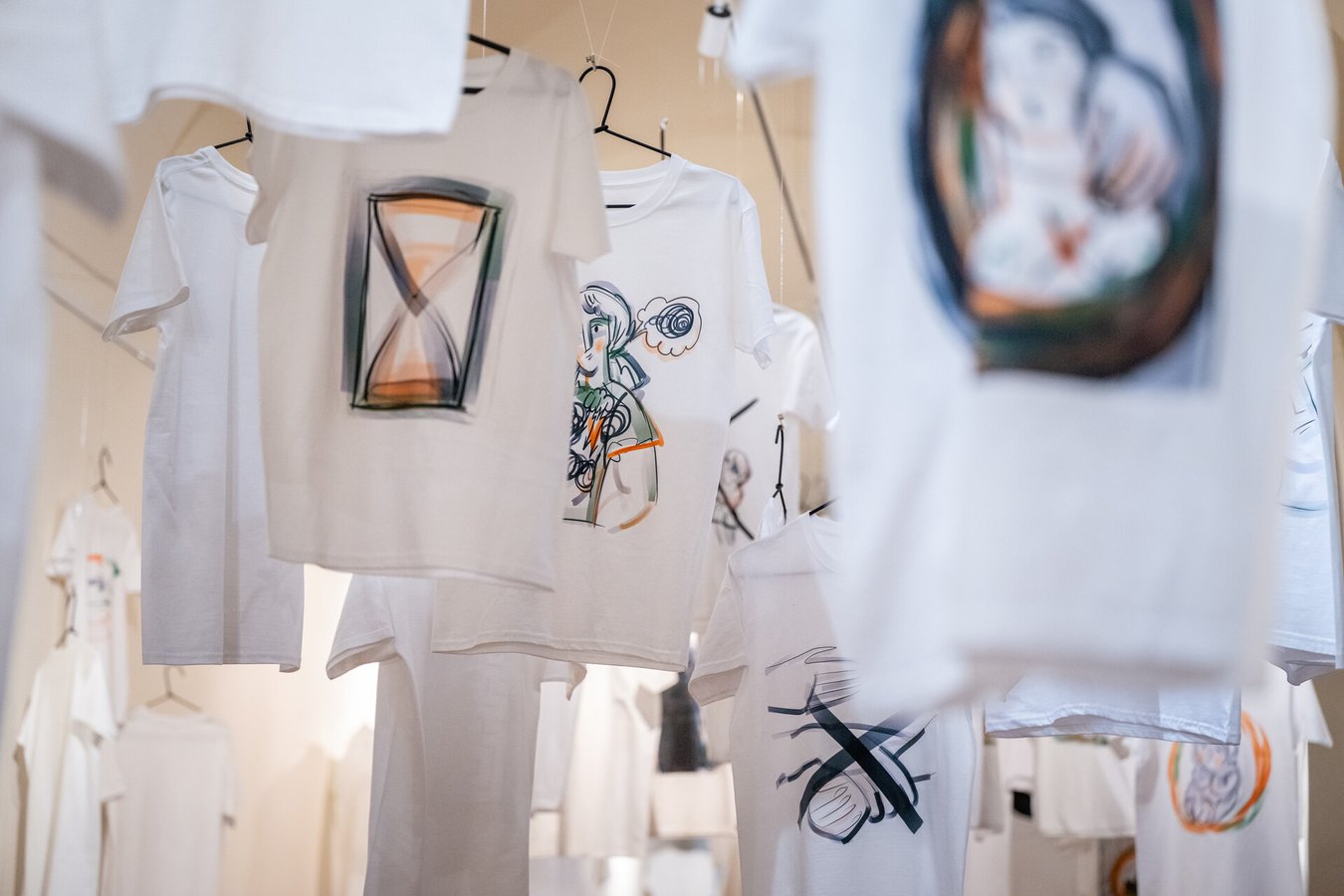
The exhibition-installation “Recognize. React.” was hosted at the Franciscan Monastery at the Church of Our Lady of the Snows in Prague. The illustrations for both the exhibition and the online course were created by Ukrainian artist and icon painter Ulyana Krekhovets. Her works in the exhibition symbolize different people and their invisible stories — experiences of vulnerability, silence, and fear, but also the search for support and hope.
The head of the NGO Někdo Ti uvěří, Jiří Kylar — the first person in the Czech Republic to publicly speak in the media about his experience of abuse in the Church — shared that he was particularly struck by the visual component of the exhibition.
“Walking among the T-shirts felt like being surrounded by real people. Each of them depicted a scene from the life of the Church. It brought back memories of my childhood, filled with images of brave and kind people from the Catholic Church among whom we grew up. And then — a sharp contrast: loneliness within a community of close people to whom I couldn’t tell my secret because I didn’t understand what was actually happening to me. Parallel worlds existing at the same time,” Jiří Kylar shared.
Speaking about the importance of educational tools such as the exhibition and the online course, he added: “Visualizing the issue of abuse helps people better understand the context and, together with the spoken word, can open the topic for those who have never encountered it before. And our cooperation with the Czech Bishops’ Conference is a breakthrough moment, because we are now working with the bishops as partners, and only together can we change things.”


The exhibition and the online course in Prague were presented by Ivanka Rudakevych, Head of Church Engagement at the Child Dignity Center of UCU.
“For the Czech Catholic community, this was a unique event. For the first time, the Czech Bishops’ Conference and the organization of survivors of abuse in the Church, Někdo Ti uvěří, came together as partners around the presentation of our project. I am glad that Ukraine was able to bring these two institutions together, and I sincerely hope that both the course and the exhibition will become tools for their joint work in preventing abuse. I was deeply moved by Fr. Marek Drábek’s words about the symbolism of a country that is itself experiencing war and violence coming to the Czech Republic to help speak about responsibility for children’s safety,” said Ivanka Rudakevych.


A special emphasis was placed on the educational dimension of the project. Stanislav Přibyl, Chair of the Commission for the Prevention of Abuse and the Protection of Minors, underscored the importance of the event:
“This is, in essence, the first sign of change, the first publicly presented cooperation between the Czech Bishops’ Conference and other organizations. First and foremost, this concerns the association Někdo Ti uvěří, with which we collaborate, as well as the Ukrainian Catholic University in Lviv — through Fr. Marek Drábek. I am very pleased and truly grateful that people from a country wounded by war are still trying to help us. I deeply value this, both in the context of the exhibition and the course.”
He also added:
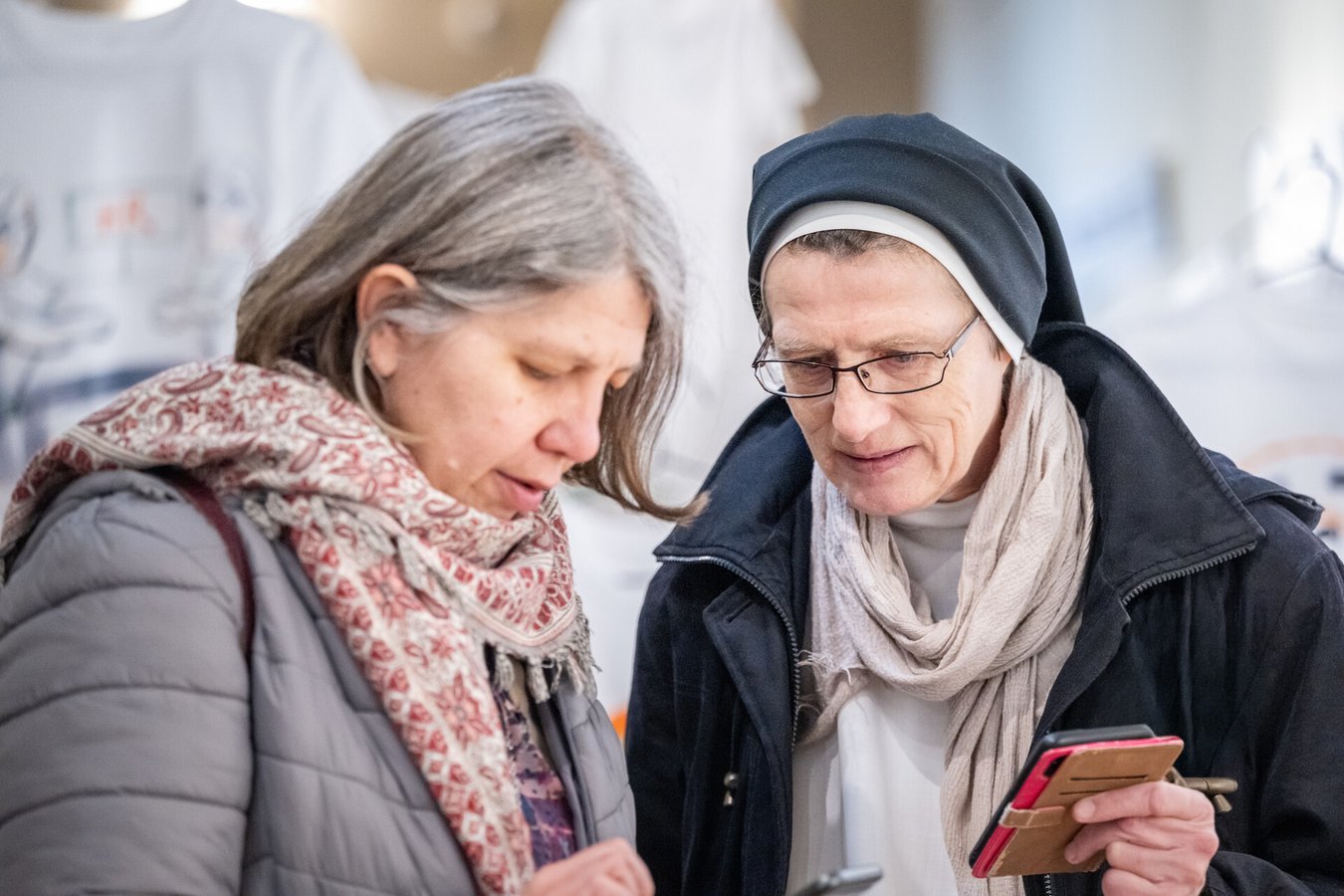
“What we cannot gain through the course alone, we can experience and feel at the exhibition. Visitors can scan the relevant QR codes and learn many new things. In a certain sense, they are also learning, not simply experiencing emotions from the exhibition.”
Fr. Marek Drábek emphasized that survivors should be part of the entire process of preventive and educational work.
“Their sensitivity and personal experience are invaluable, and at the same time, this can become part of their path toward healing. Therefore, one of the important aspects was that both survivors and representatives of the Church were present at the exhibition. I also realized how important it is for Church leaders to work together with organizations and experts who support both survivors and clergy, helping both sides find understanding and healing,” Fr. Marek said.

Ivanka Rudakevych noted that this was the first presentation attended also by people who had experienced abuse in the Church.
“I know how difficult it was for them to be in this space — among signs and images that can be triggering. The very fact of their presence is, for me, a profound testimony of trust, courage, and the importance of what we are doing,” Ivanka Rudakevych added.
The event in Prague became another step toward building a safer Church environment in Central and Eastern Europe. A shared post-communist experience, a culture of silence, and fear of open conversations about abuse create similar challenges for different countries across the region. That is why international solidarity, the exchange of experience, and joint initiatives are essential for real change.
The exhibition “Recognize. React.” in Prague will run until February 8 at the Franciscan Monastery at the Church of Our Lady of the Snows.
Photos: Anička Guthrie