The UCU Child Dignity Center celebrated five years of its work among friends
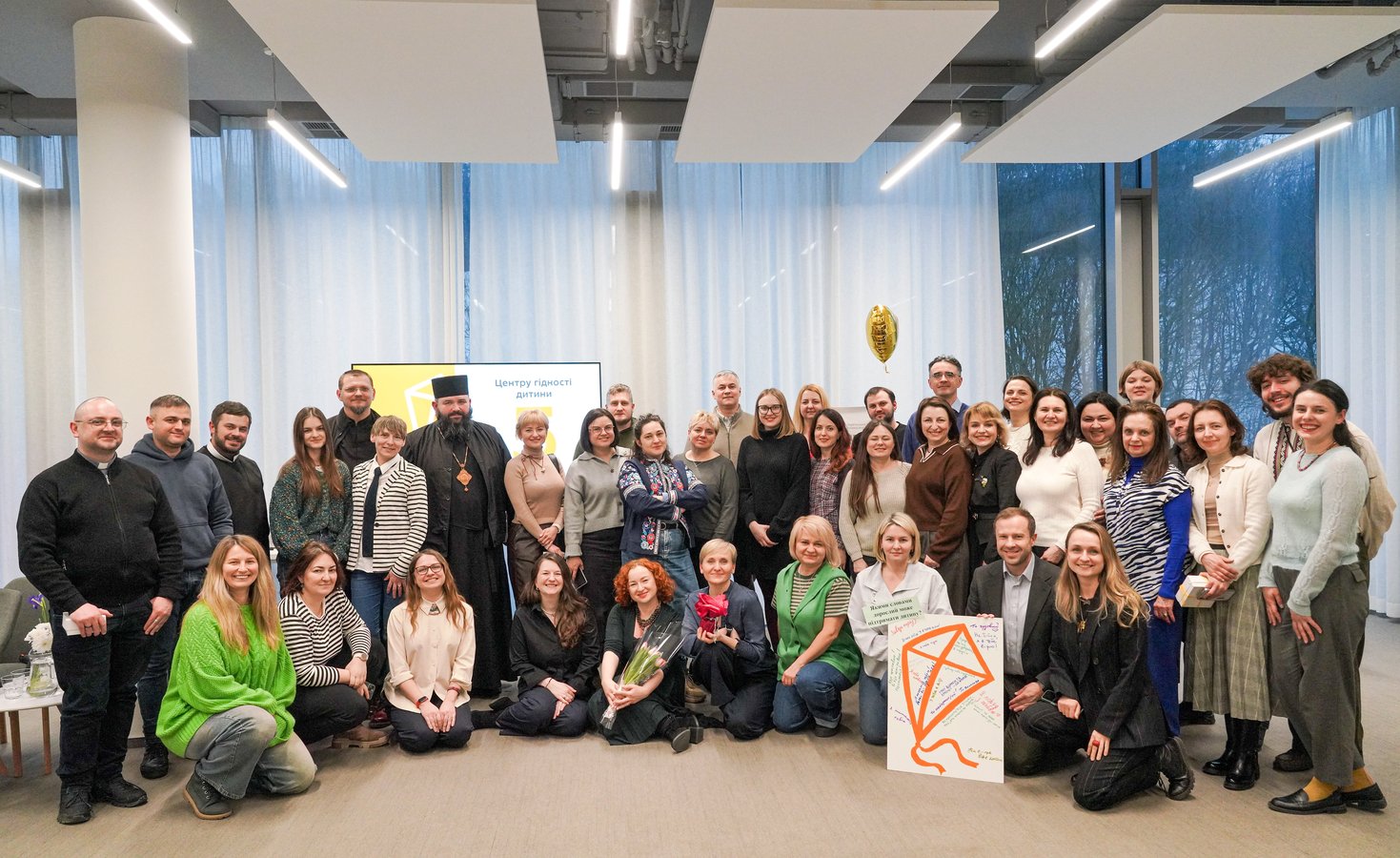
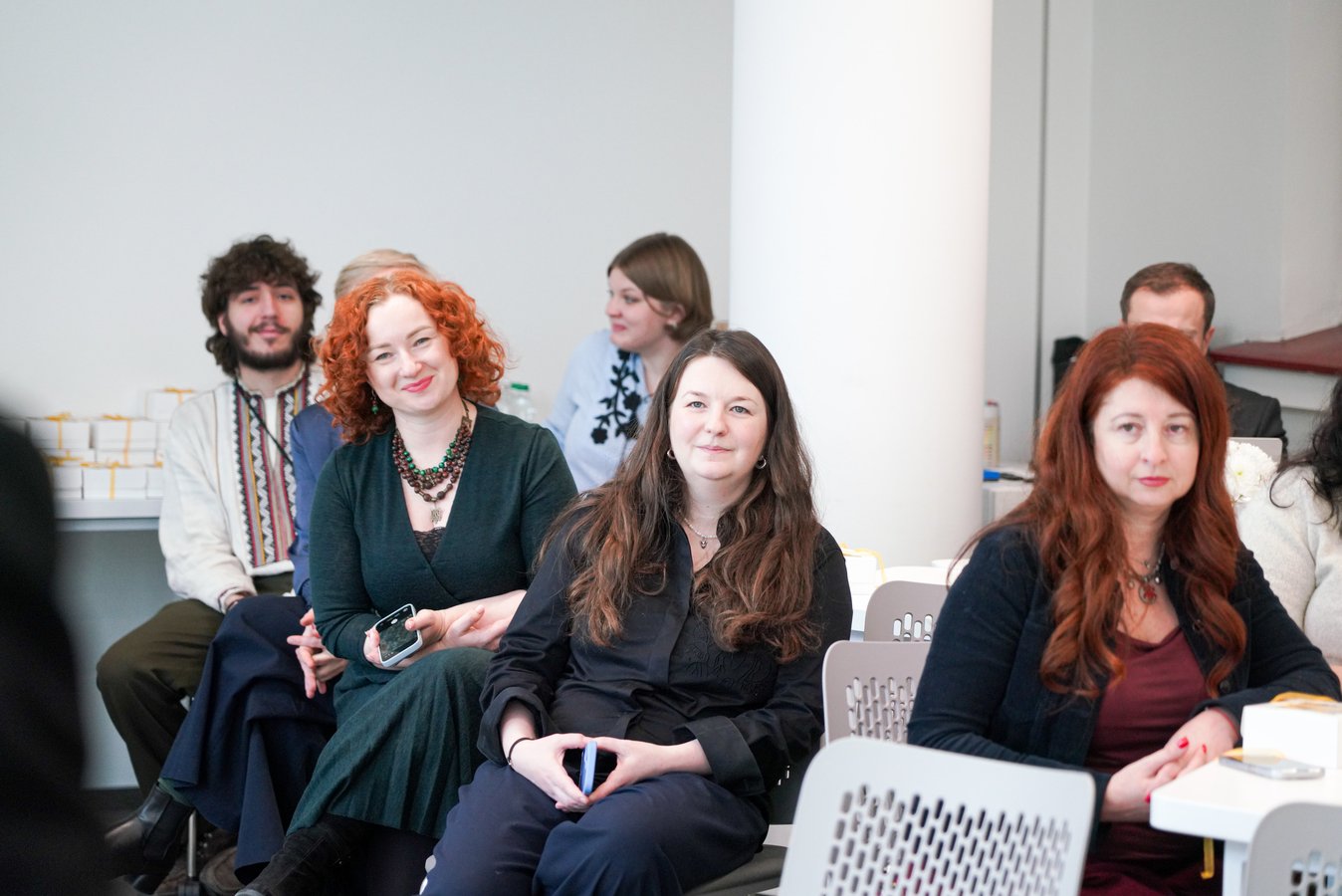
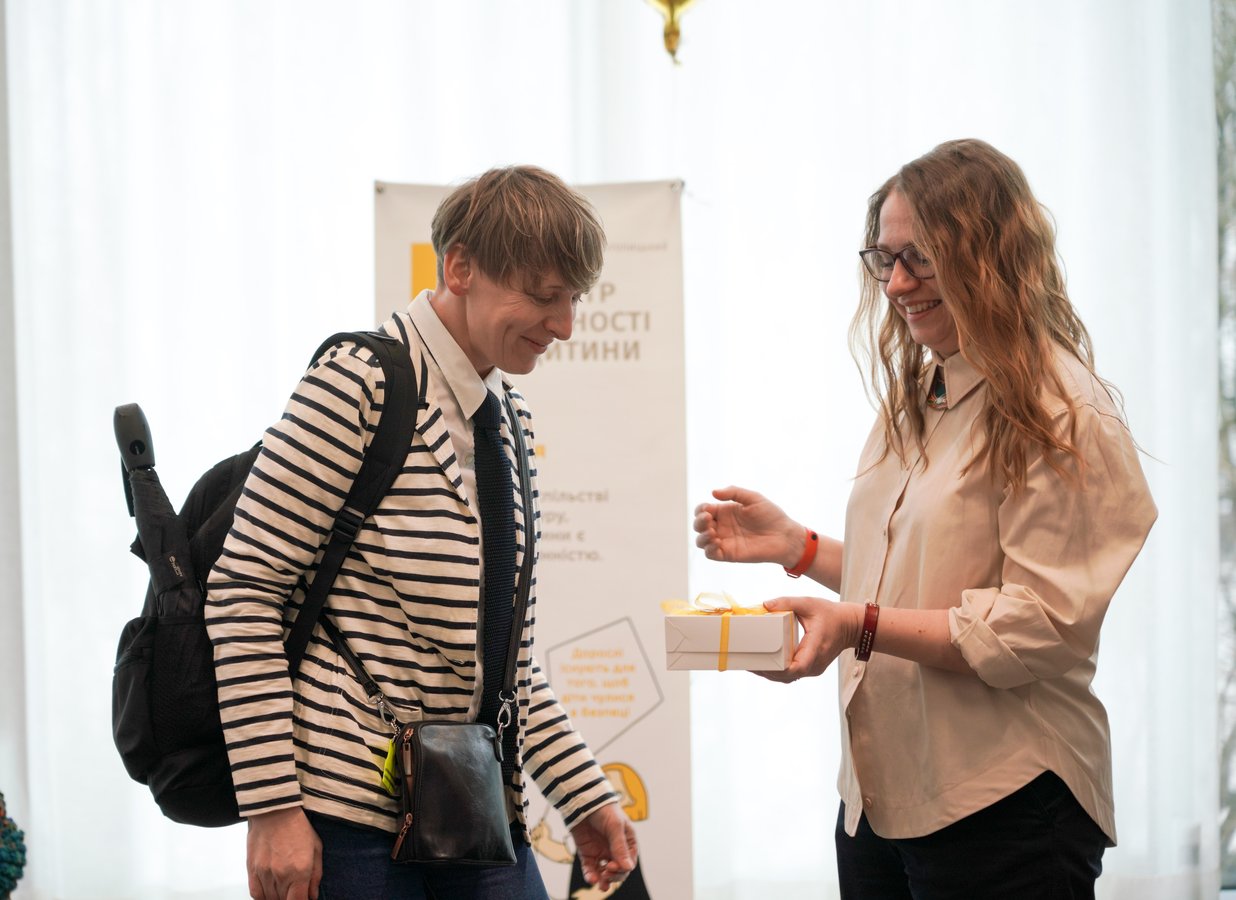
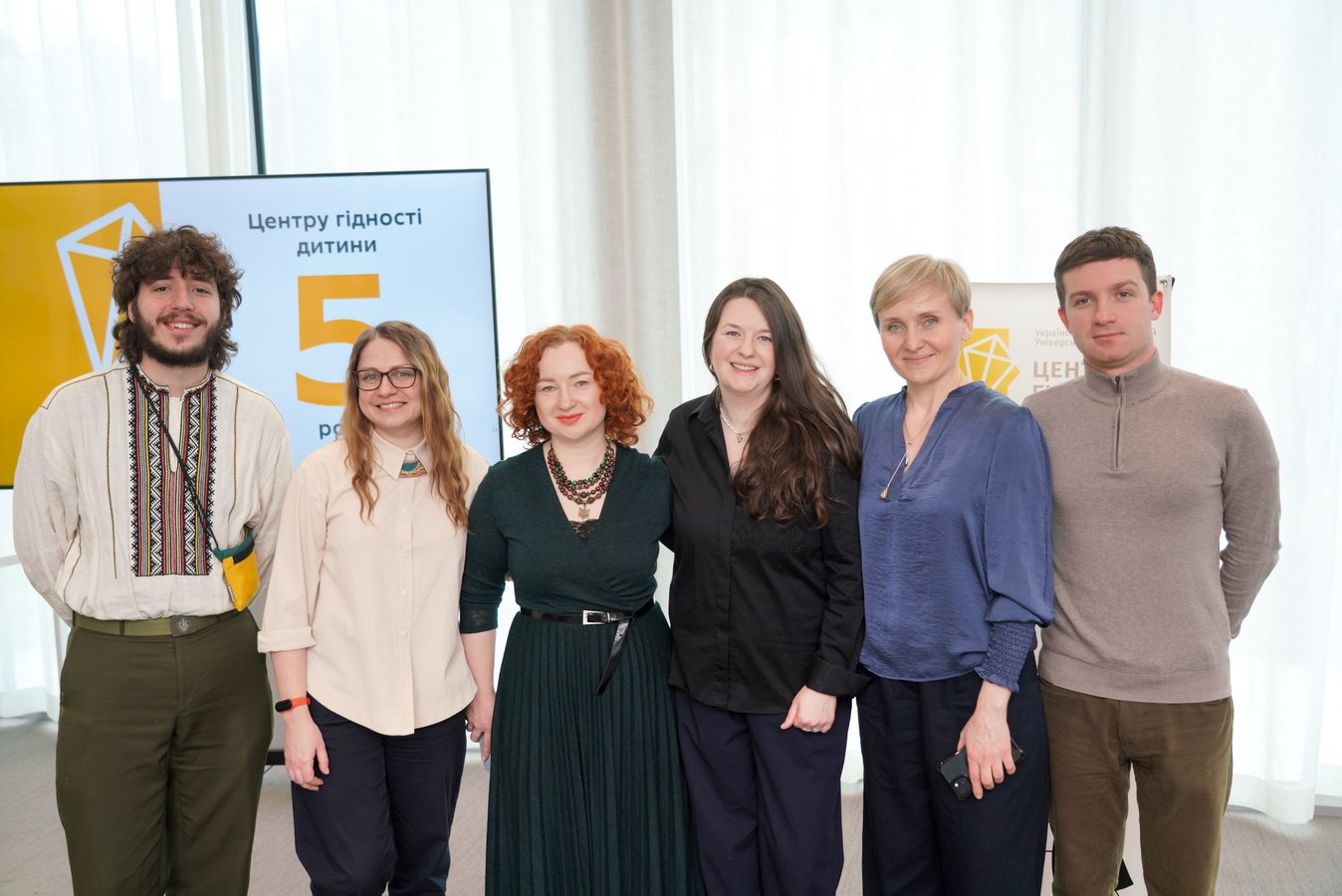
On January 21, the Child Dignity Center of the Ukrainian Catholic University celebrated its 5th anniversary. On this occasion, a gathering was held with partners and colleagues. Under one roof, we managed to bring together over fifty of our friends: representatives from the church, education, civil society, and medical sectors, as well as government institutions.

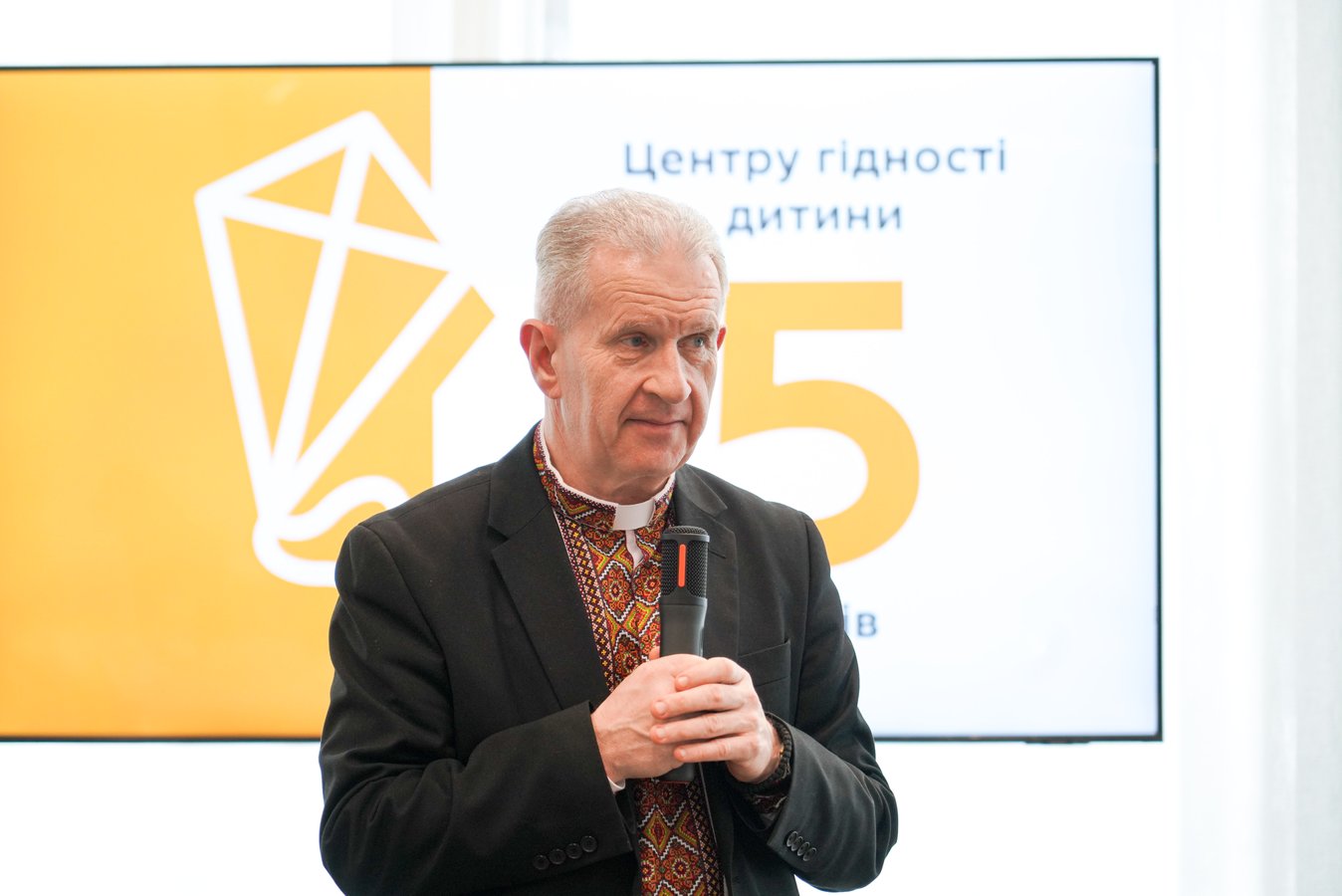
“Five years ago, the phrase ‘prevention of violence against children’ sounded unclear to many. When it came to child protection, the system for a long time mostly worked through intervention after the problem, and in many cases, it still does today. At the same time, I am convinced that we are moving in the right direction and progressing at a good enough pace for the system to support children preventively and foster a culture of safety,” said Khrystyna Shabat, head of the Child Dignity Center.
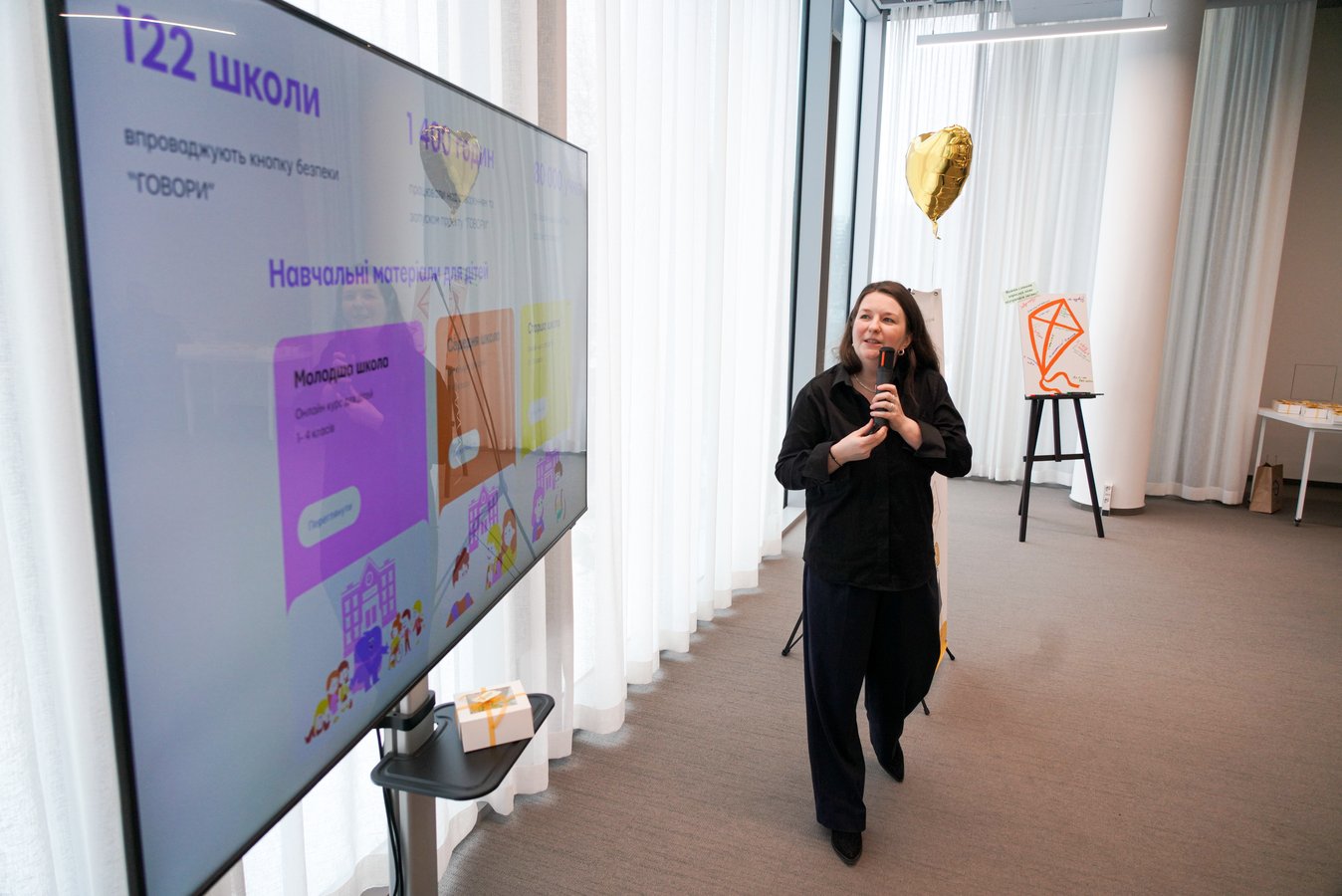
Khrystyna Shabat also shared key results of the team’s work over the past five years:
“Over these five years, we have managed to engage more than 250,000 people in our projects and initiatives, conduct four studies in the field of child safety, develop over 70 safeguarding products, and implement eight academic courses and certificate programs. Today, our experience extends far beyond Ukraine — we share it in collaboration with partners from 13 countries,” she added.


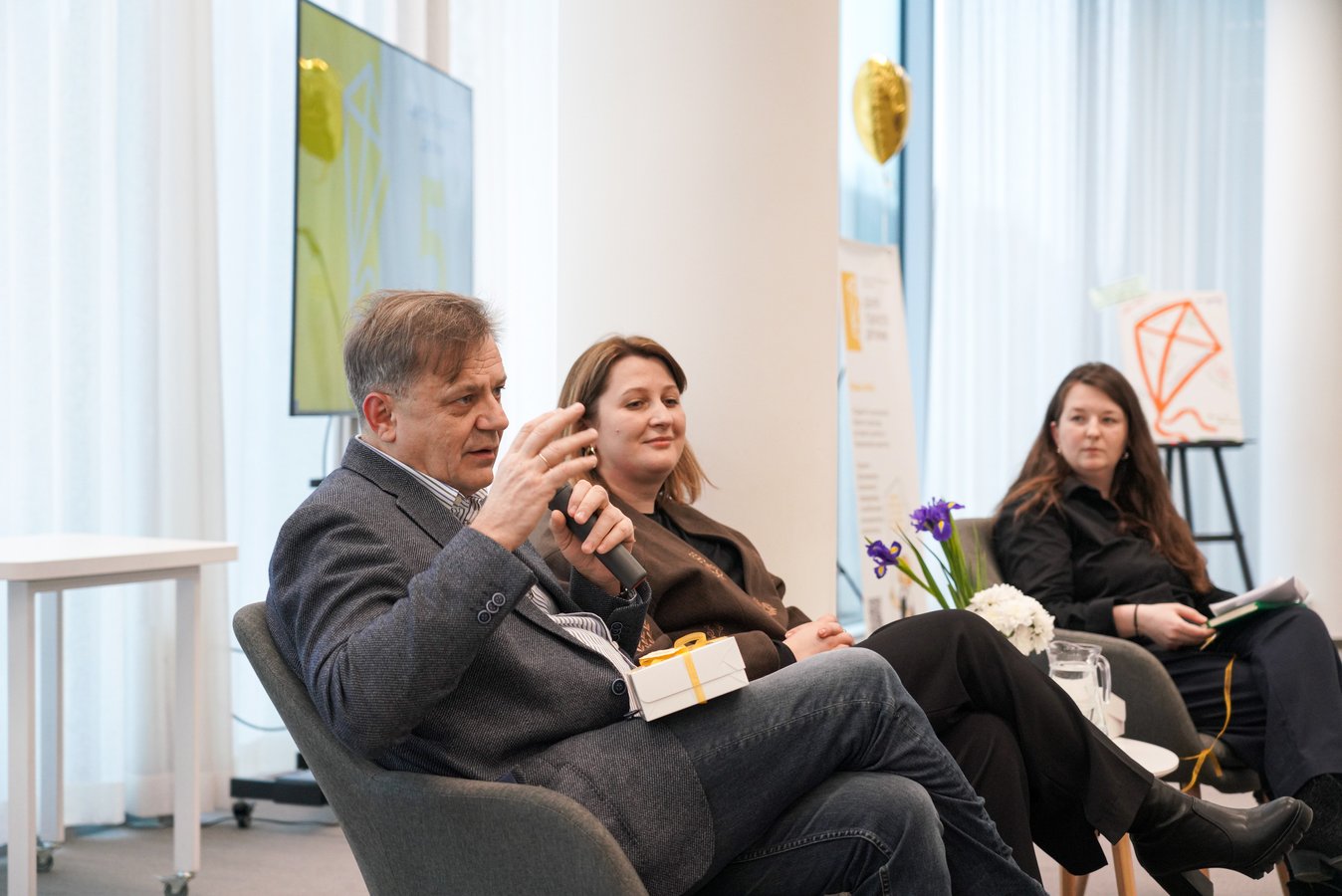
The meeting was dedicated not only to reviewing achievements and outlining future plans, but also to meaningful dialogue. During a panel discussion moderated by Khrystyna Shabat, participants included experts such as a child psychiatrist, the head of the Superhumans Psychological Rehabilitation Center, Natalia Masyak — a lecturer at KSE and Danylo Halytsky Lviv National Medical University — as well as a psychiatrist, psychotherapist, psychoanalyst, candidate of psychological sciences, public figure, and Roman Kechur, head of the Department of Psychology and Psychotherapy at UCU. They discussed adult behavior, daily decisions and habits, and how much these factors can influence the life of each child.
“A child is born like soft clay. In the process of upbringing, they encounter firm adults, and these adults leave imprints on them. When they become adults, they often leave the same imprints on their own children. Therefore, we need to work with everyone: parents and children alike, but at the same time, with ourselves first and foremost,” said Roman Kechur during the discussion.

Speaking about the consequences of delayed responses by the school system, Natalia Masyak shared her clinical experience working with children who engage in self-harm or experience suicidal states, noting that in almost 100% of such cases in her practice, the issues were linked to bullying experienced at school.
“You can’t pour from an empty cup. We need to fill children up so that they can give back. Ultimately, it’s very pragmatic: we will grow old, and we will need safe adults around us. If we don’t raise them now, honestly, I’m a little afraid for myself in old age. Is it hard to give love in times of great crisis? Not really. It’s viable. Love gives life: you give it, and you see it spread. This is exactly why a system of safety needs to be built — and built together, even in such challenging times,” added Natalia Masyak.


The discussion participants also emphasized that a child’s safety begins with relationships — with an atmosphere of trust, support, and love, without which neither learning nor upbringing is possible. They also noted that aggression and violence in society do not emerge in a vacuum, but are the result of a long-term deficit of safety, which adults often unconsciously reproduce in their interactions with children.


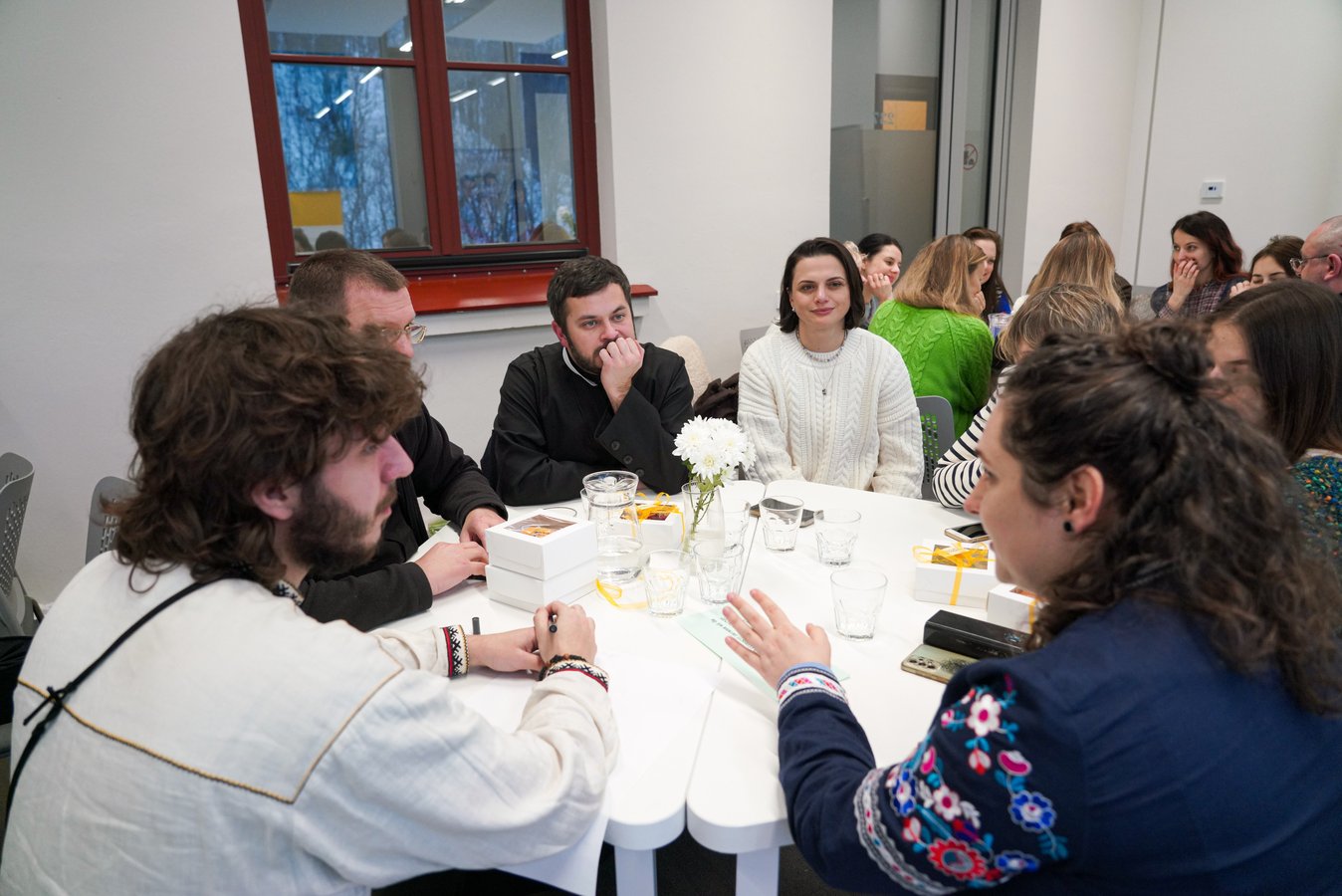
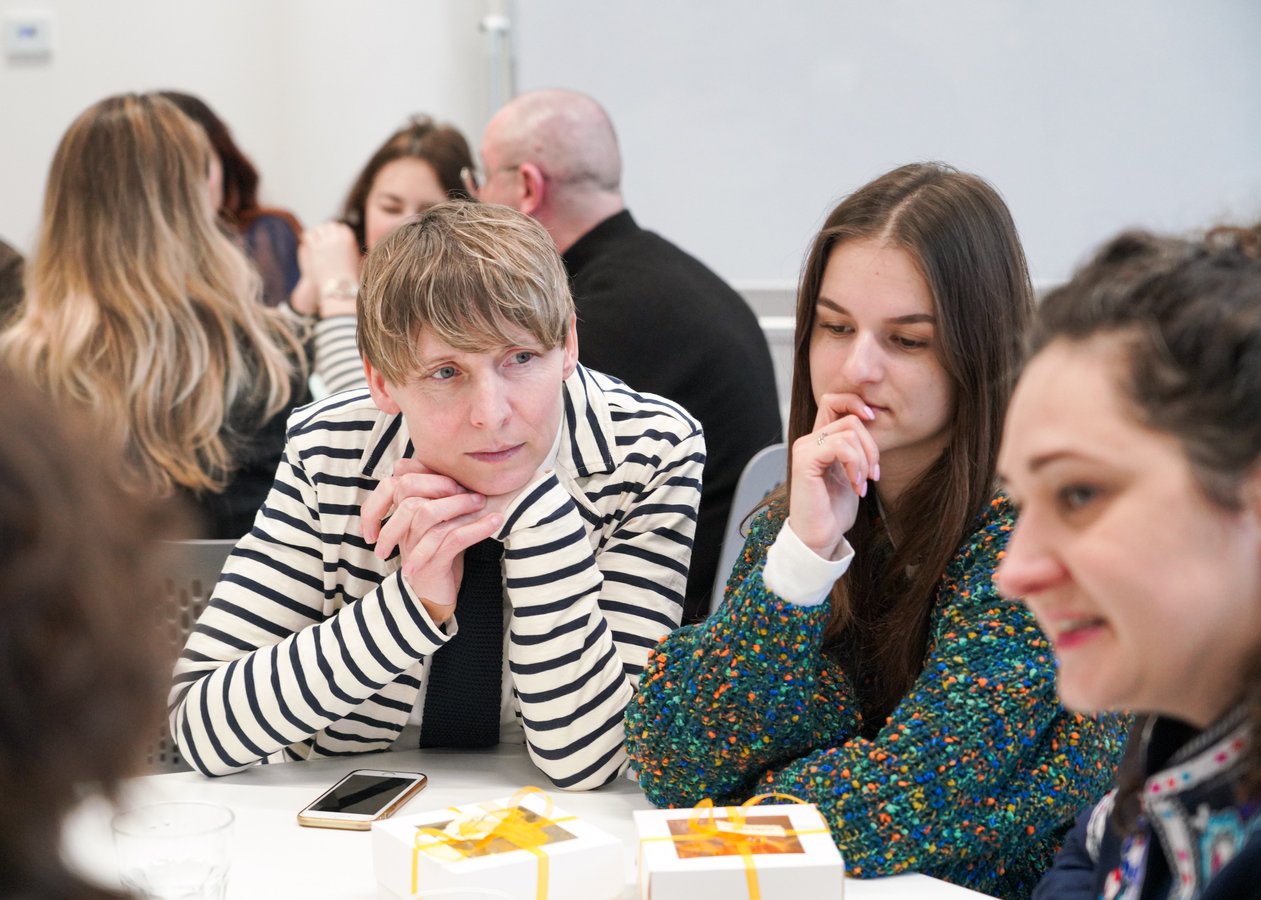
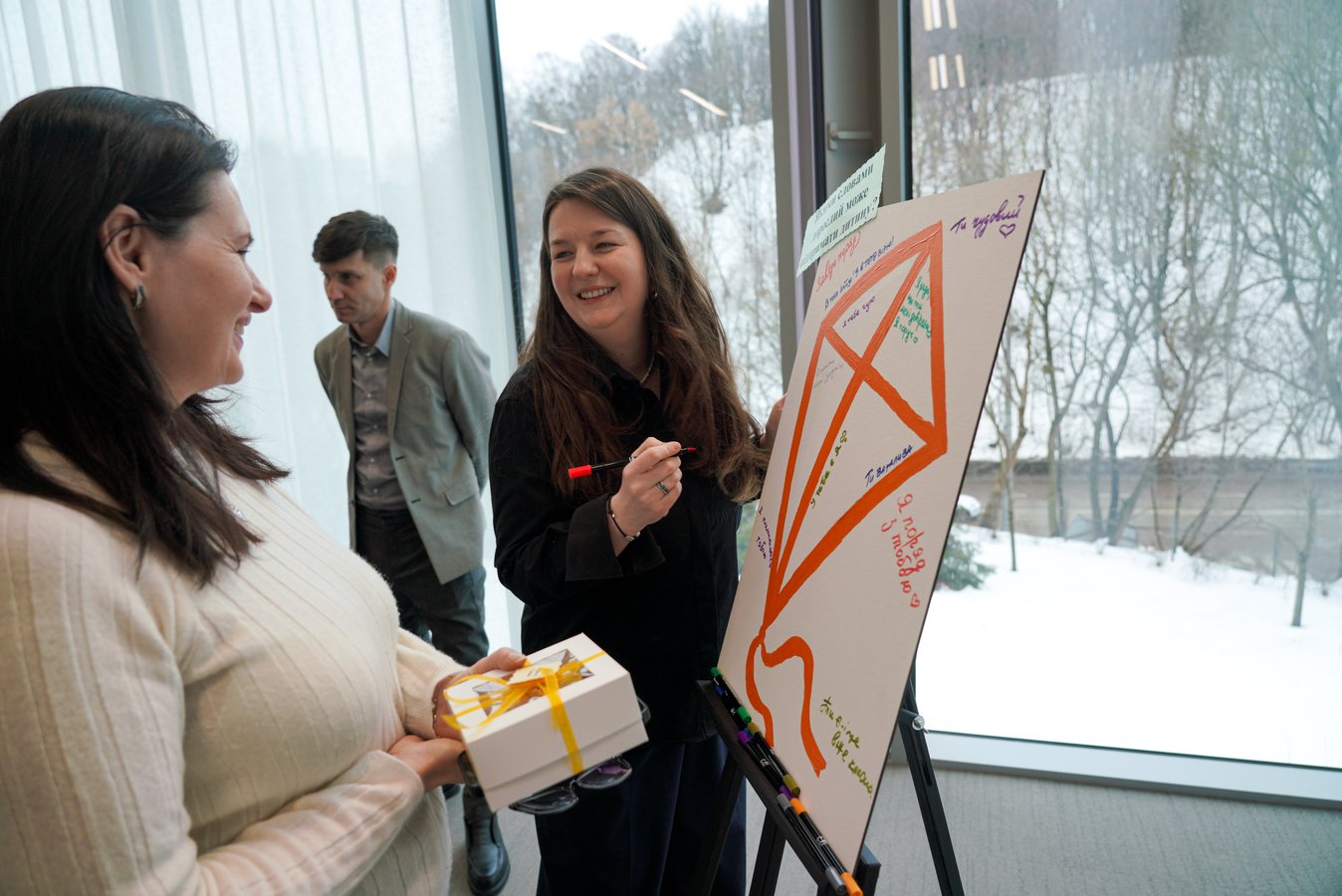
The final part of the event involved group work in a “world café” format. It provided a space for open conversation about what adults currently lack in order to respond to violence in a sensitive, child-centered way; how the Center can be helpful to partners in fostering a culture of dignity and violence prevention; what gives children a sense of safety; and which topics are still missing for an honest public dialogue.