The UCU Center for Child Dignity is launching the “SPEAK UP” safety project in schools
The “GOVORY” project is a system designed to protect against bullying and violence, which implements safety rules and standards and teaches children and adults in various fields how to respond in difficult situations. The project will launch this fall in Lviv schools. In the future, the initiative will expand to various sectors that work with children: sports, healthcare, transportation, culture, and more. The goal is to help city institutions become child-friendly and safe.

The project was created by the Center for Child Dignity at the Ukrainian Catholic University in partnership with the Lviv City Council, the Department of Humanitarian Policy, and the Department of Education and Culture of the Lviv City Council.
What will change in schools?
The project launches on October 6 during Safety Week. Every school in the Lviv community now has a “SPEAK Safety Button” in its electronic journal. Children can press it if they encounter a problem—the request will be sent to the principal, the safety officer (who is now assigned to every school), and the Department of Education Development.
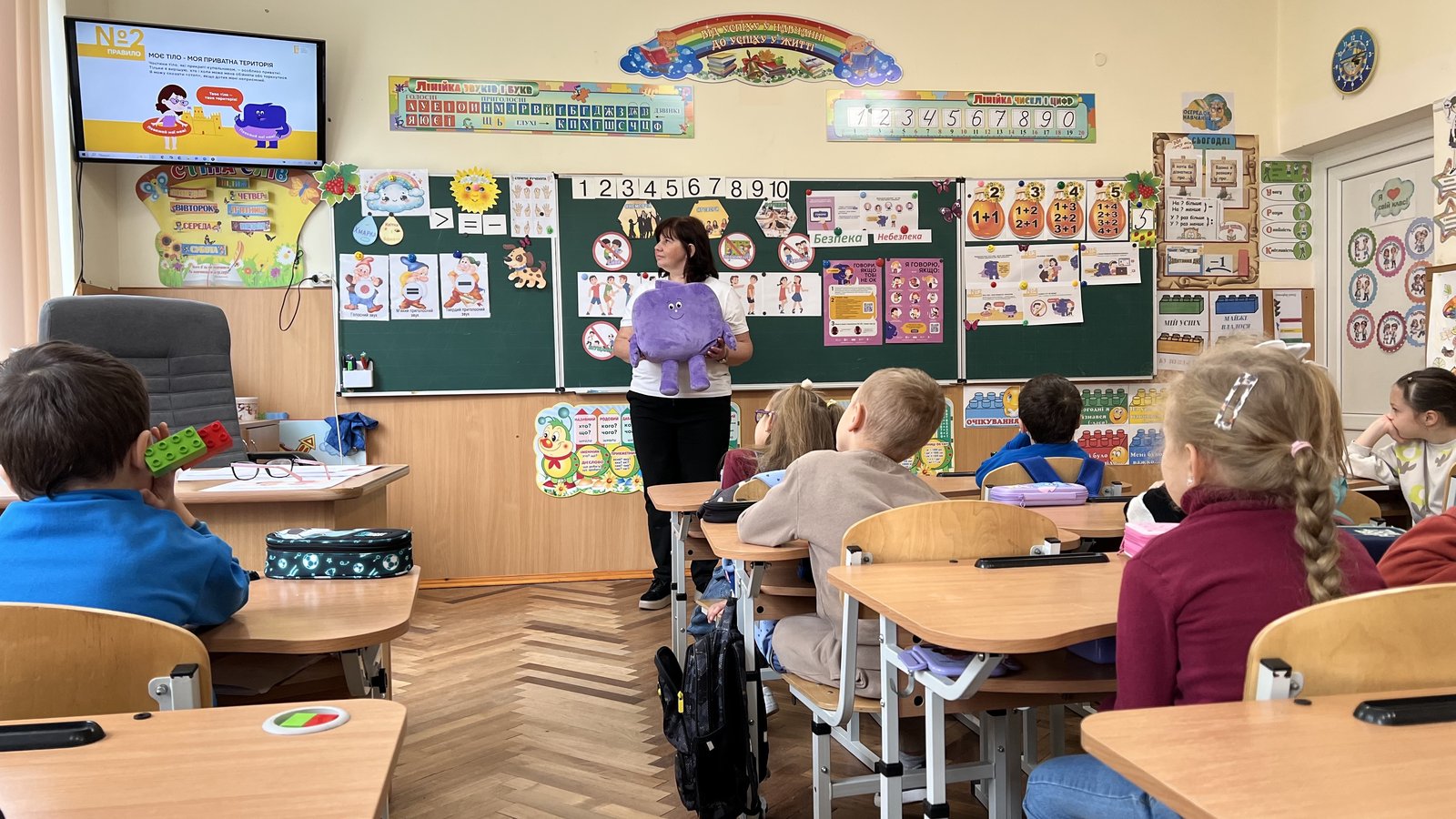
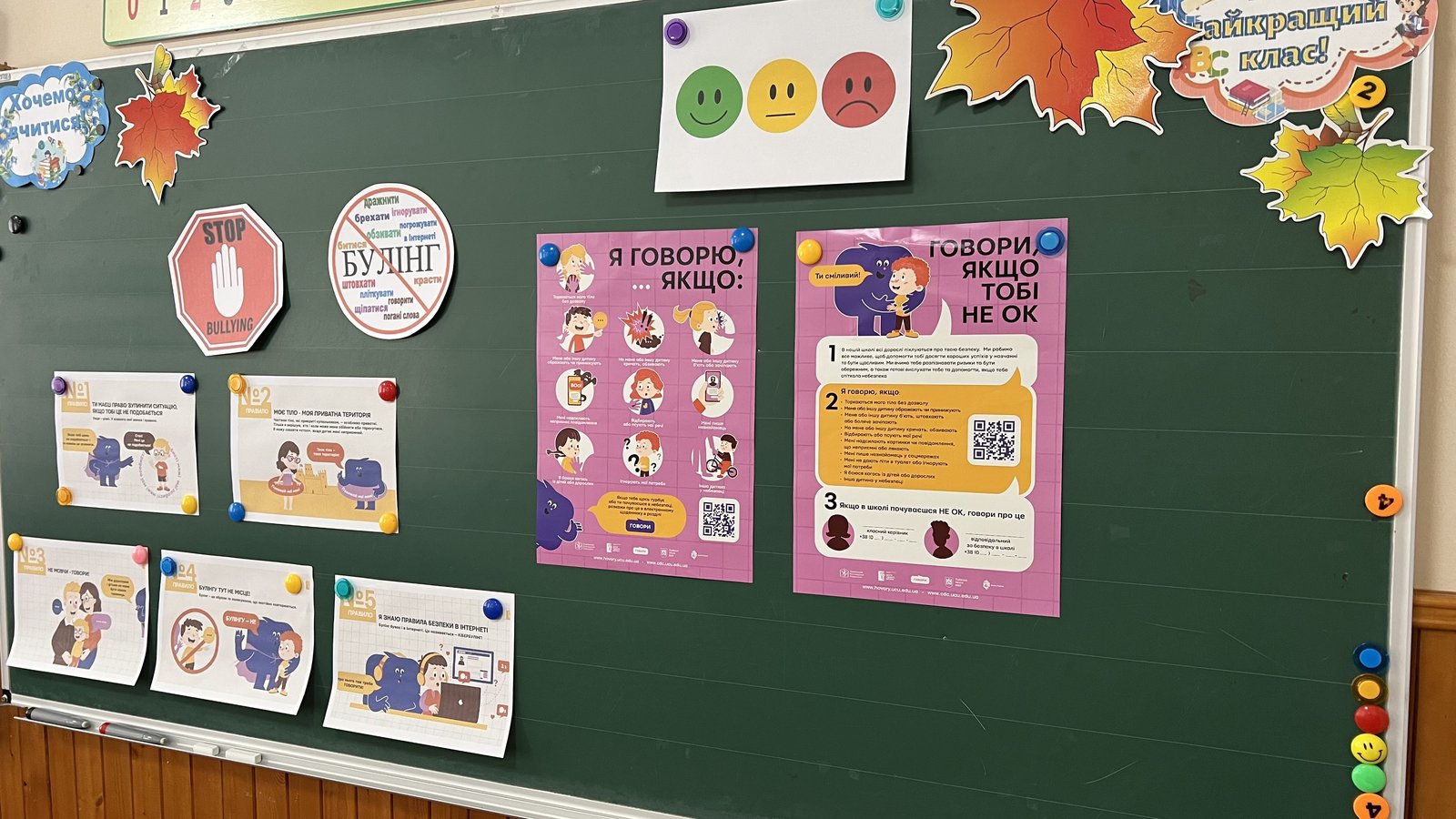
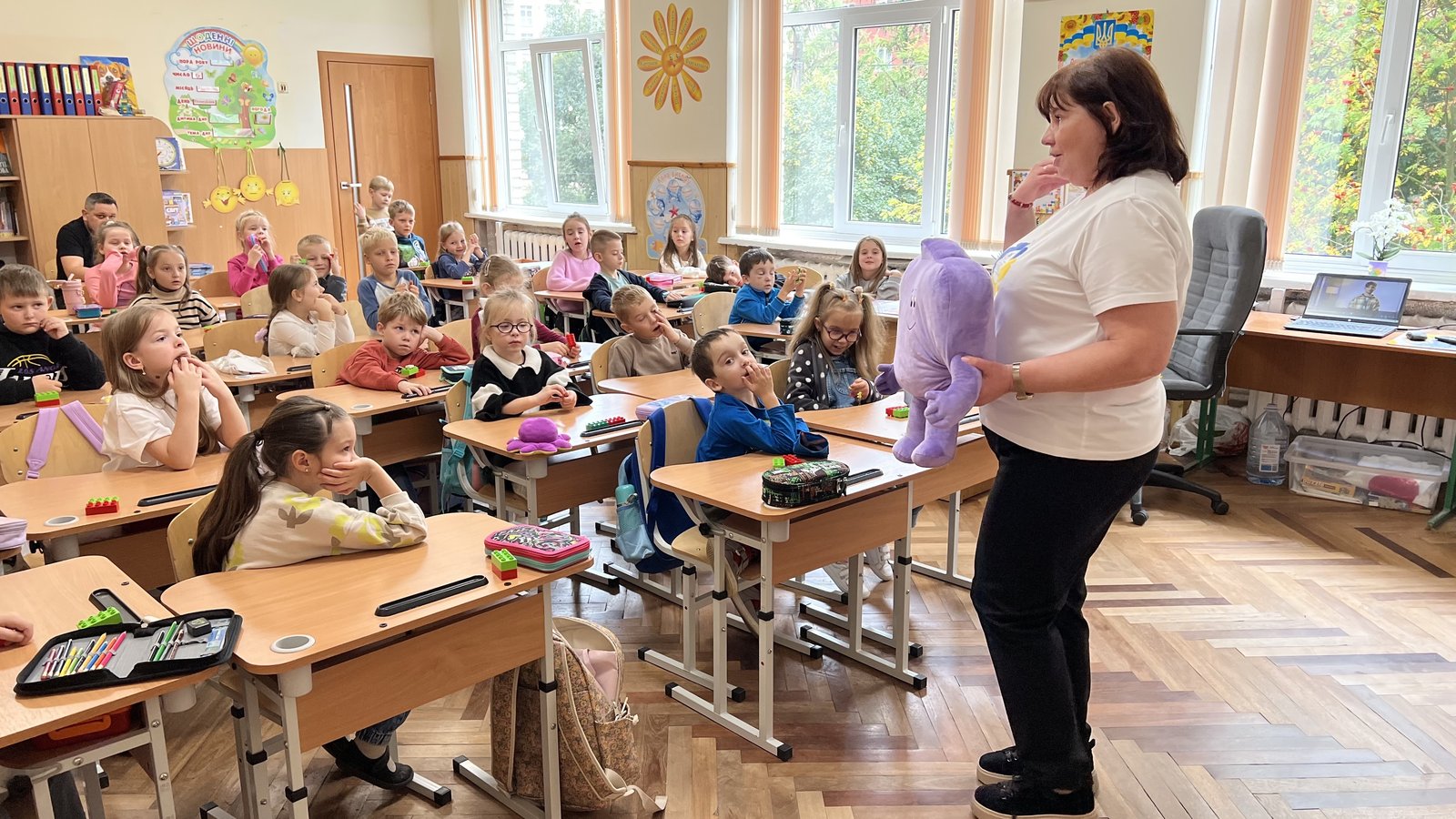
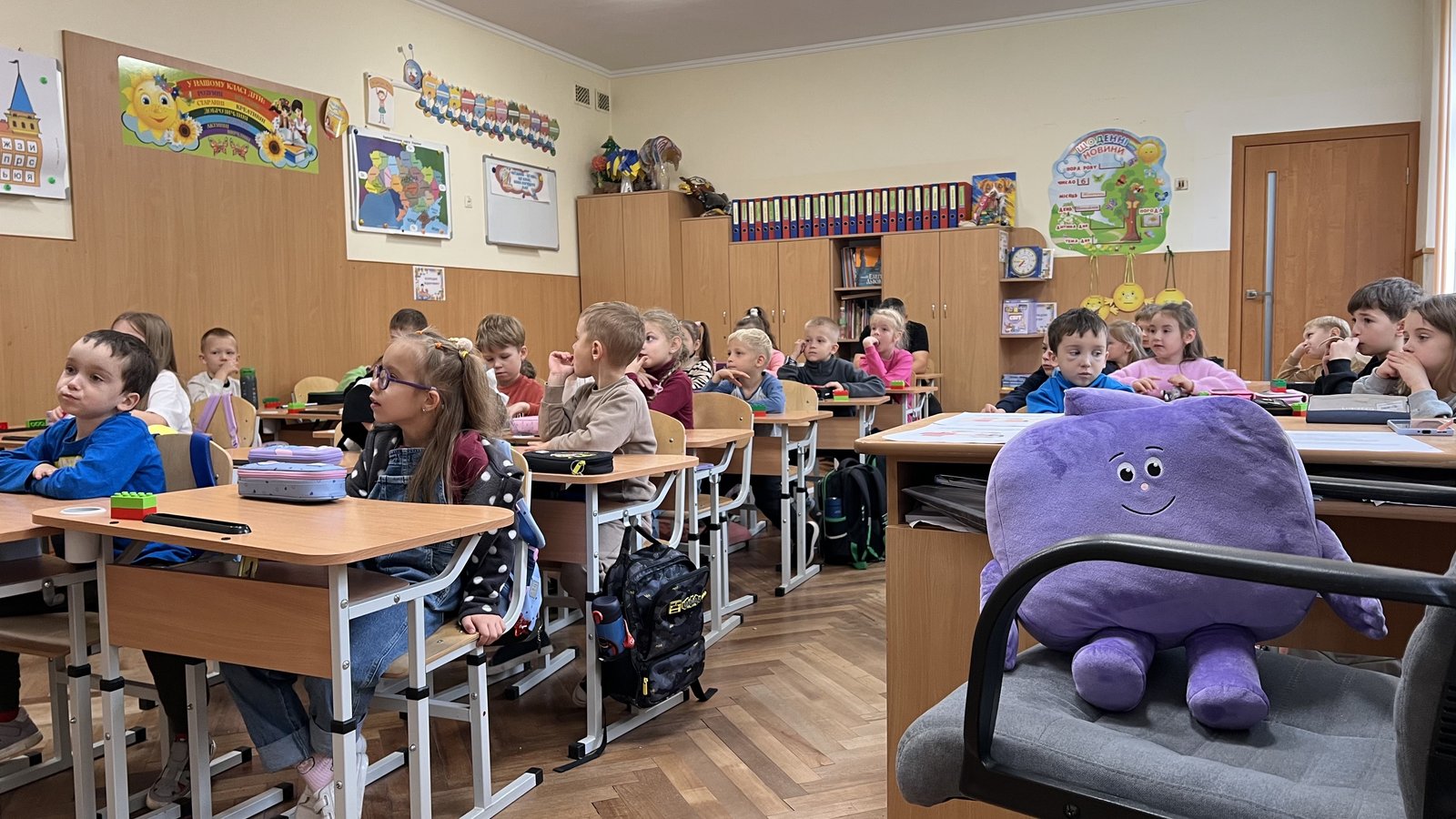
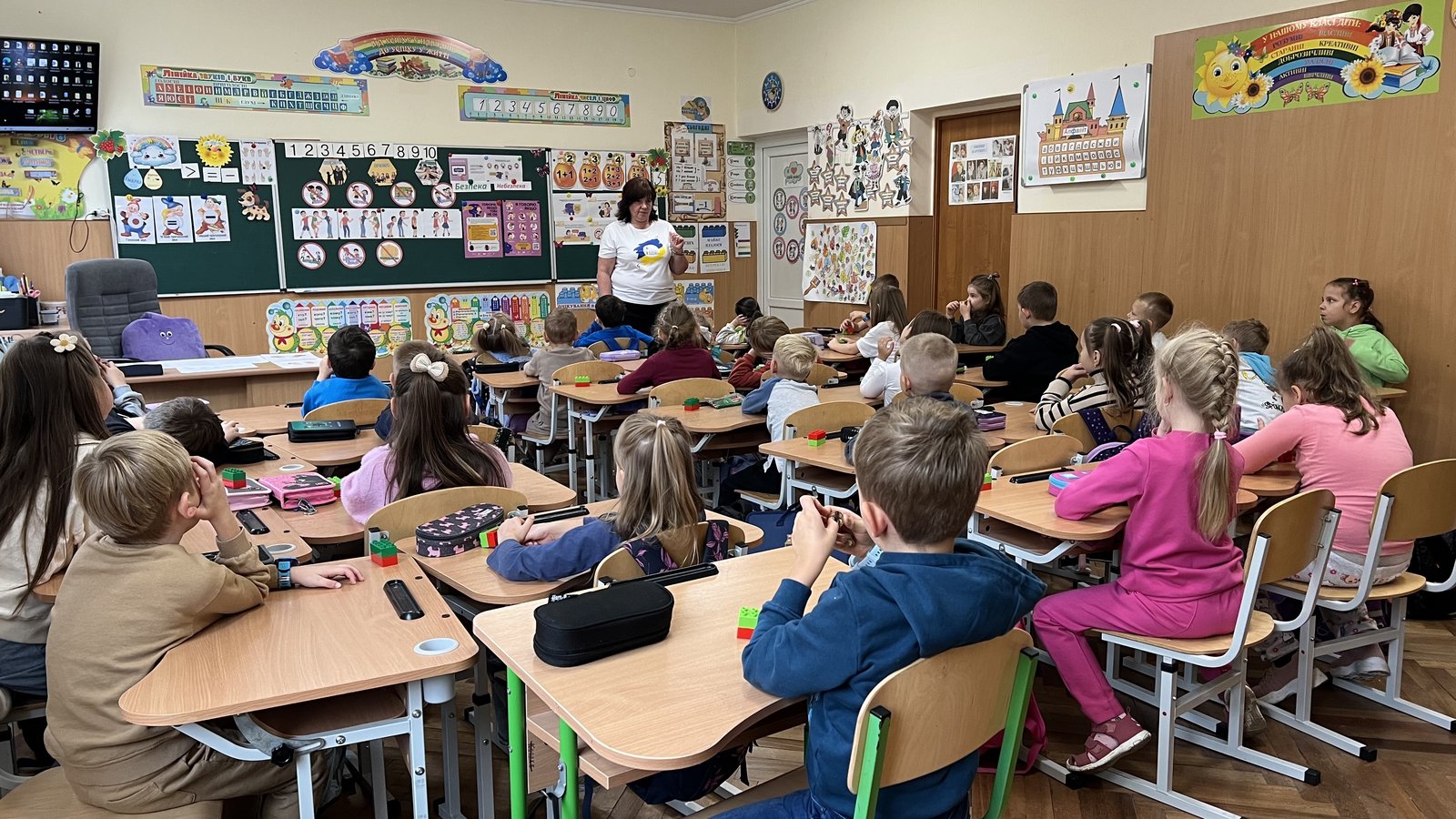
Students can take the online course “Your Safety at School,” which is available in the online journal. And homeroom teachers, using teaching materials developed by the UCU Center for Child Dignity, will be able to conduct interactive lessons on safety. In addition, a special character named Chubchik has been created for the youngest students; through videos, he teaches children in a playful way to recognize safe and dangerous situations.
The project’s organizers have prepared resources and clear instructions for teachers and parents on how to help a child who asks for support. These resources are available on the project’s website at https://hovory.ucu.edu.ua/
Why is the “SPEAK UP” initiative important? As the organizers note, research conducted in 70 schools in the Lviv community showed that only 36% of children feel safe at school, while 7% feel anxious; 68% of students noted that friendly relationships have the greatest impact on their sense of safety; 59% believe that a teacher trained in safety issues is more effective than the presence of a police officer.
“The survey also showed that children can feel safe even during wartime, and this depends on adults,” comments Khrystyna Shabat, director of the Center for Child Dignity at UCU. “While parents, when discussing the conditions under which a child feels safe, primarily pointed to material things—shelter, good school facilities, and so on—children focused on emotional factors. That is why we began looking for ways to help children feel safe.”


The “GOVORY” team has compiled examples of situations—including psychological or physical pressure, bullying, humiliation, and dangerous online interactions—that may cause children distress, and through this educational initiative, aims to ensure that they are not afraid to talk about these issues with adults who can offer support and assistance.
The “GOVORY” pilot project begins with education. “School is where children spend most of their time, 8–9 hours a day. We want the educational environment to provide them not only with knowledge but also with the opportunity to build trusting relationships with a safe adult—a teacher or school psychologist,” adds Khrystyna Shabat.
The project’s initiators believe that the “GOVORY” initiative will increase trust in building relationships between adults and children and help adults respond promptly to dangerous situations. Most importantly, school will be a place where children know they are not left alone with their problems, and their voices will be heard.
“Children’s safety is the top priority in Lviv, especially during wartime. It has two important dimensions. The first is physical protection: schools have security guards and school resource officers on staff, as well as panic buttons, video surveillance systems, safety barriers, and more,” comments Andriy Zakalyuk, Director of the Department of Education and Culture of the Lviv City Council. “The second aspect is psychological well-being. After all, school should be a space of trust, support, and quality education for a child. The ‘GOVORY’ project gives students the opportunity to confidentially share their feelings or problems through the electronic diary platform. Each such report will be reviewed by a specialist to ensure the child receives timely and professional assistance. This will help us further strengthen trust between children and adults and make the school environment as safe as possible.”
The organizers plan to expand the project to other regions of Ukraine.


Facebook: https://www.facebook.com/share/17CWrNqMNk/?mibextid=wwXIfr
Instagram: https://www.instagram.com/hovory_ua?igsh=b2IxM25jNDBmejk2&utm_source=qr