The Church on the Side of the Child – A training program was held for clergy, consecrated persons, and laypeople
On September 18–19, the Patriarchal House in Lviv hosted a first-level workshop for clergy, consecrated persons, and laypeople titled “The Dignity of the Child as an Unconditional Value,” organized for the sixth time by the UCU Center for the Dignity of the Child.

The school provides basic knowledge on how to prevent violence against minors, how to respond sensitively to incidents of violence, and how to effectively help a child. It also teaches how to create a safe environment for children within the Church.
At the opening, Bishop Petro Loza, Bishop of Sokal-Zhovkva and head of the Office for the Protection of Minors and Vulnerable Persons in the UGCC, greeted those present. Bishop Loza spoke about the experience of the Ukrainian Greek Catholic Church in creating a safe environment for children, and also shared the work plans of the newly established bureau and the implementation of the “Standards and Principles for the Protection of Minors and Vulnerable Persons in the Pastoral Work of the UGCC in Ukraine” at the level of eparchies, exarchates, and religious institutes.
Subsequently, participants engaged in group discussions on the topic “The Place of the Child in the Church,” led by Ivanka Rudakevych, project and program director at the UCU Center for Family and Marriage. Everyone had the opportunity to express their own vision of how the Church can care for children and treat their dignity with respect, as well as what place the child occupies in the Church.


Khrystyna Shabat, director of the Center for the Dignity of the Child, spoke about the concept of violence and its various forms, and presented the findings of the study “Sexual Violence in Ukraine: From Awareness to Protection,” conducted by the Center. She noted that, according to the study, 23% of Ukrainians experienced sexual violence and harassment during childhood, and 43% of them did not tell anyone about it. These figures are similar to those in Europe, but importantly, according to the study, trust in the Church in Ukraine is very high. Therefore, the Church can create a safe environment and provide children with a sense of security.

Juliana Maslak, a child psychiatrist and psychotherapist specializing in cognitive-behavioral therapy, discussed the causes of trauma and its impact on a child’s life, as well as how to talk to a child who has been traumatized by war.
“It’s important to be there for them, to offer support, to share in the pain of loss, to help the child preserve memories and relationships, to remember their needs, to help them adapt, and to keep building a life,” the expert noted.

The expert discussed the “red flags” in adults’ behavior that indicate they may be capable of abusing children. Abusers often lack meaningful relationships with other adults; they seek children’s attention, spend a lot of time with them, violate their physical boundaries, and may give them expensive gifts.
“If we know how to recognize a child who is experiencing abuse, we can act quickly and effectively, and thus help,” the expert emphasized.
The second day of training began with a lecture by Oleksandra Nizdran, Ph.D., a positive psychotherapist and clinical psychologist. She discussed the principles of working with individuals who have experienced sexual abuse and outlined how to interact with them.
“Patience and building trust are crucial, as this allows the child to be themselves and express themselves. For healing, it is important to know that you are heard and accepted with all your difficult experiences. You should encourage them to complete small tasks, talk about successes, and highlight achievements—this way, the child builds a sense of self-worth and strengthens their belief in their own abilities,” the expert emphasized.


The Church’s experience in preventing sexual abuse of children was discussed by psychologist and Hieromonk Sava Masnyk. He emphasized the importance of fostering a safe environment within the Church, adhering to ethical standards, and following the principles of pastoral ministry aimed at protecting and supporting children.
Bishop Theodore Martynyuk, delegate from the Synod of the Ukrainian Greek Catholic Church to the Holy See on matters of protecting minors from violence, Metropolitan of Ternopil-Zboriv, Doctor of Canon Law, outlined the procedures for reporting cases of sexual abuse within the Church.
“It is the duty of every Christian to report cases of abuse,” noted the bishop. “Silence does not help solve problems; it only deepens them and leads to the crimes happening again. If sins are brought to light, their number will decrease. Therefore, it is important to implement preventive measures and facilitate investigations if violence has occurred.”


Veronika Savruk, head of the Information and Marketing Department at UCU, explained how to communicate with different audiences and how to support the community when cases of violence are reported. Here, a swift yet measured response and working with facts are crucial. An organization must be consistent in its communication, ready to take responsibility, and not sweep the problem under the rug. A crisis can also serve as a catalyst for revitalizing interactions, uniting the community around shared values, and further strengthening trust. The expert shared action plans for crisis situations and provided examples of how to navigate them.
“Crises can occur at any time and affect various organizations and institutions, including the Church. What matters is how we respond in such situations,” noted Veronika Savruk.


An important component of the training offered by the UCU Center for Child Dignity is group work on practical case studies, which helps reinforce the knowledge gained. Church communities are working to create a safe environment for children. We believe that through our joint efforts, we are making childhood safer.

Ivanka Rudakevych, Project and Program Director at the UCU Center for Child Dignity, summarized: “This workshop is an opportunity to gain a deeper understanding of what each of us can do to create a safe environment for children at the level of our parish, community, or organization. This is the sixth school organized by the UCU Center for the Dignity of the Child; about 50 people attend it every year, and that is impressive. It means there are people for whom this topic is important. Step by step, together we are creating an environment that is sensitive to the needs of children who have suffered harm. And this is a good foundation for the prevention of violence.”

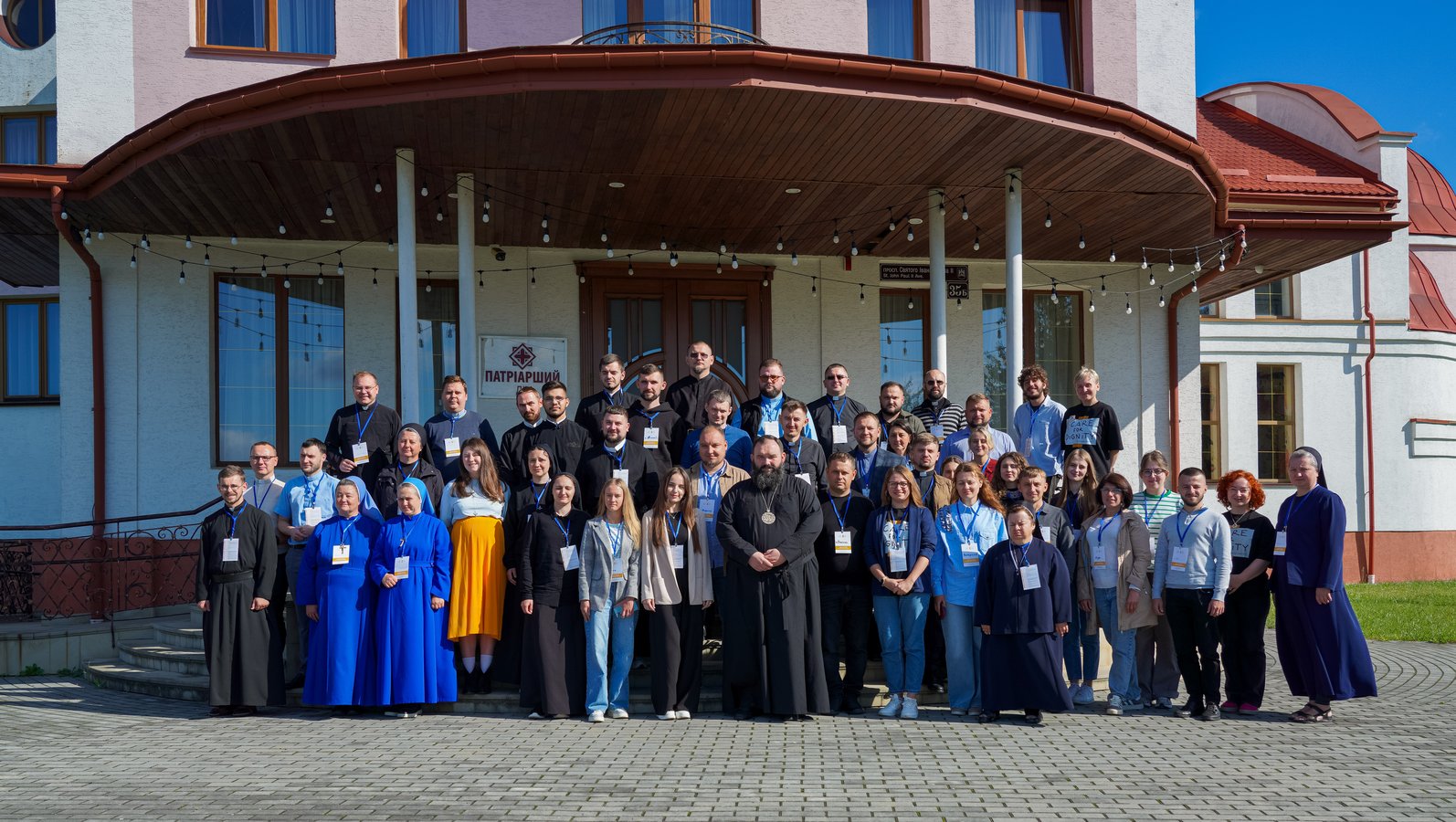
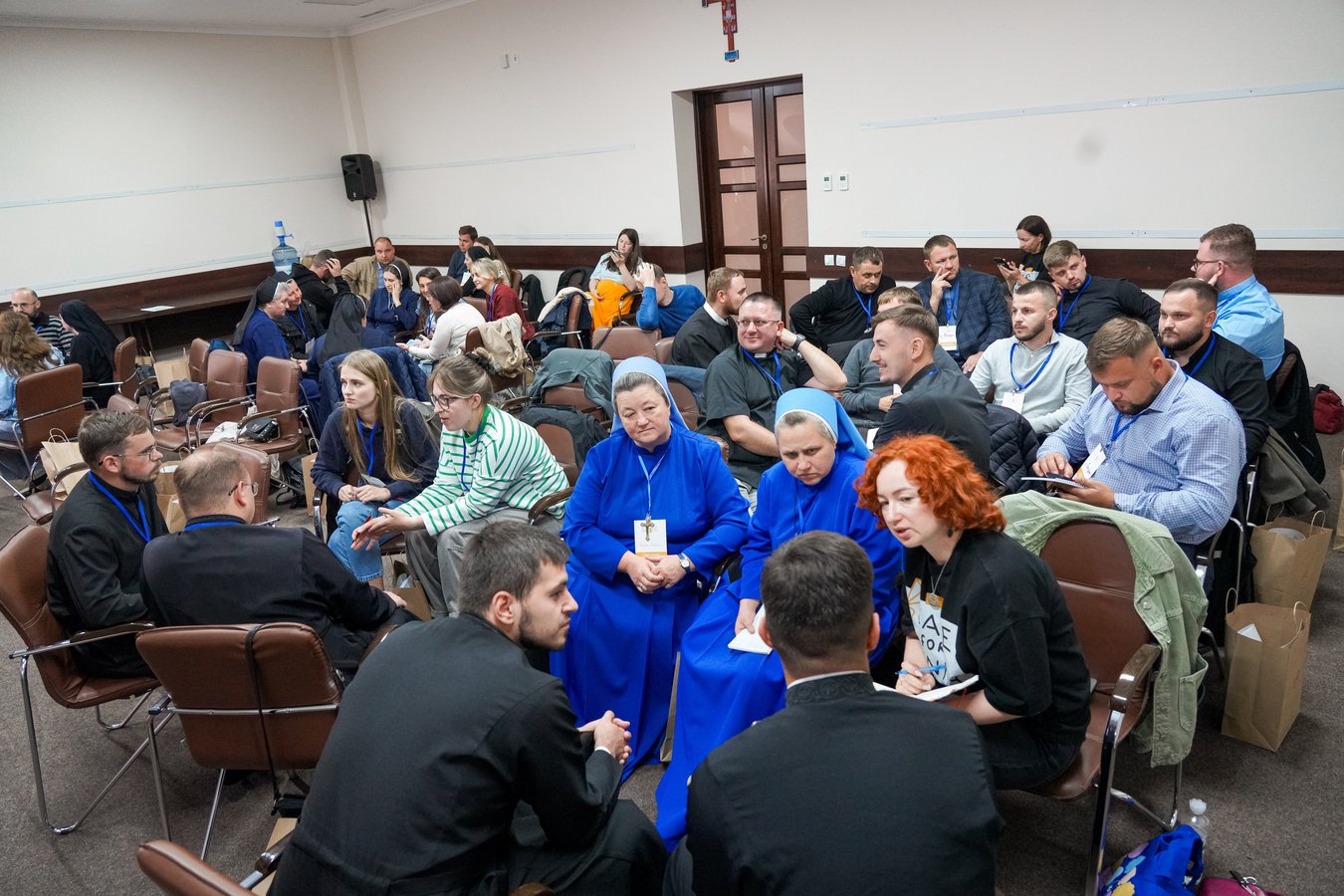
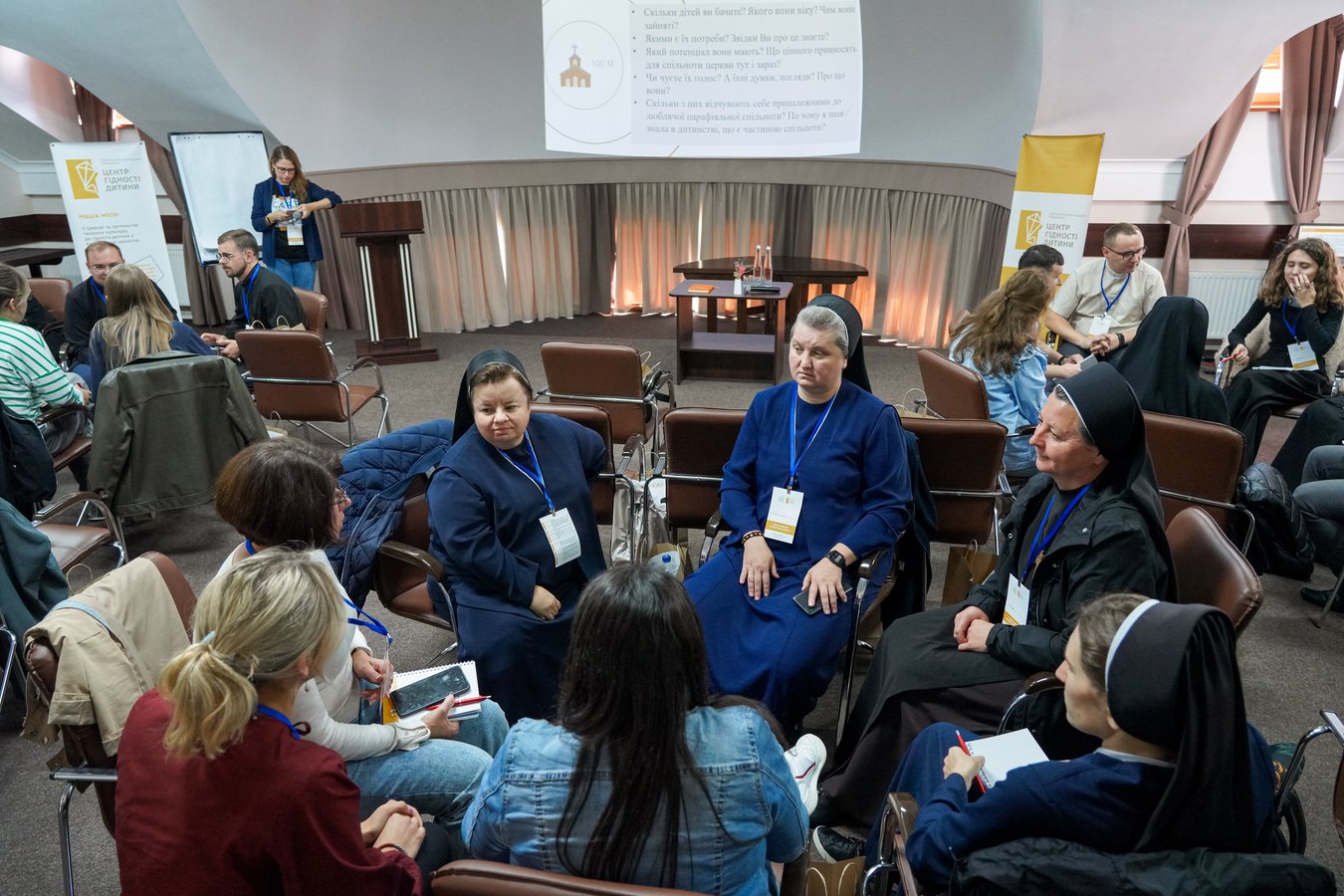
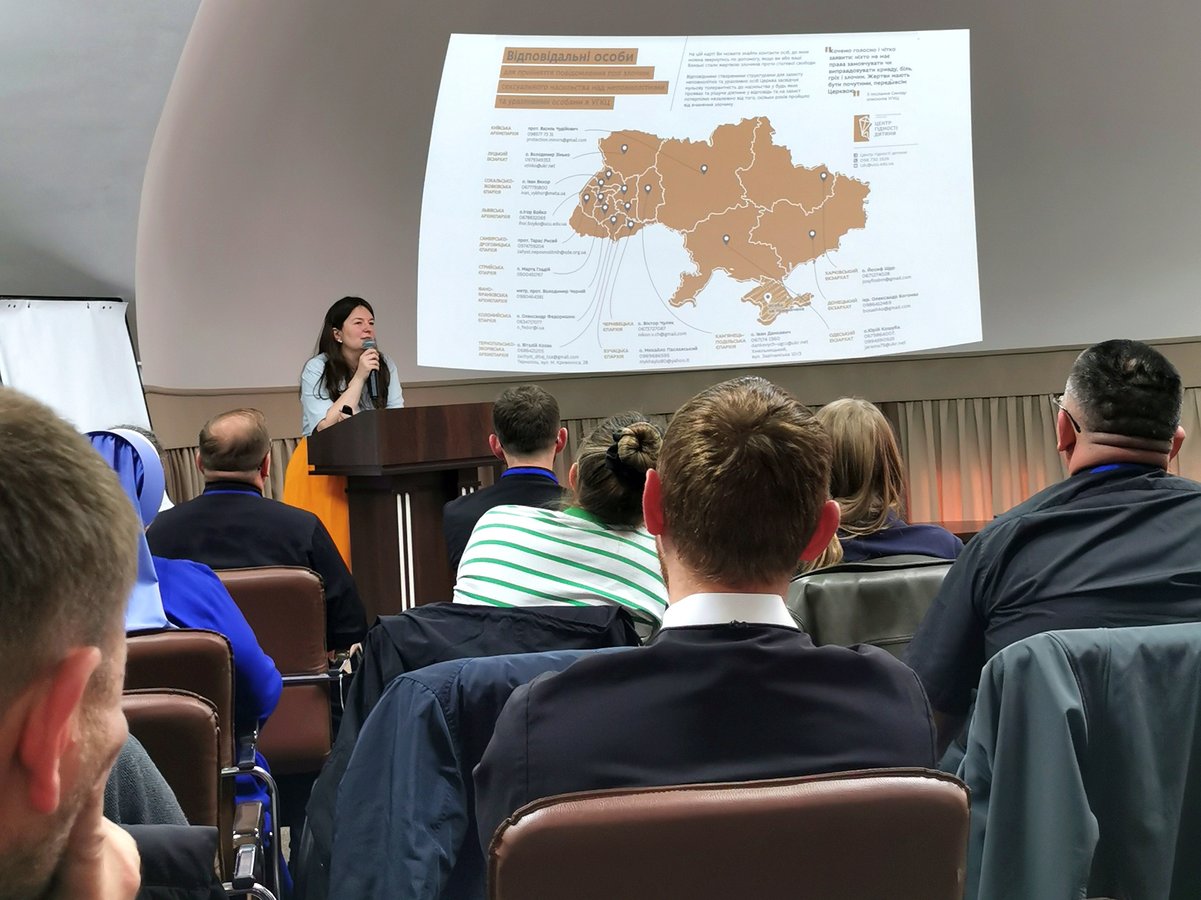
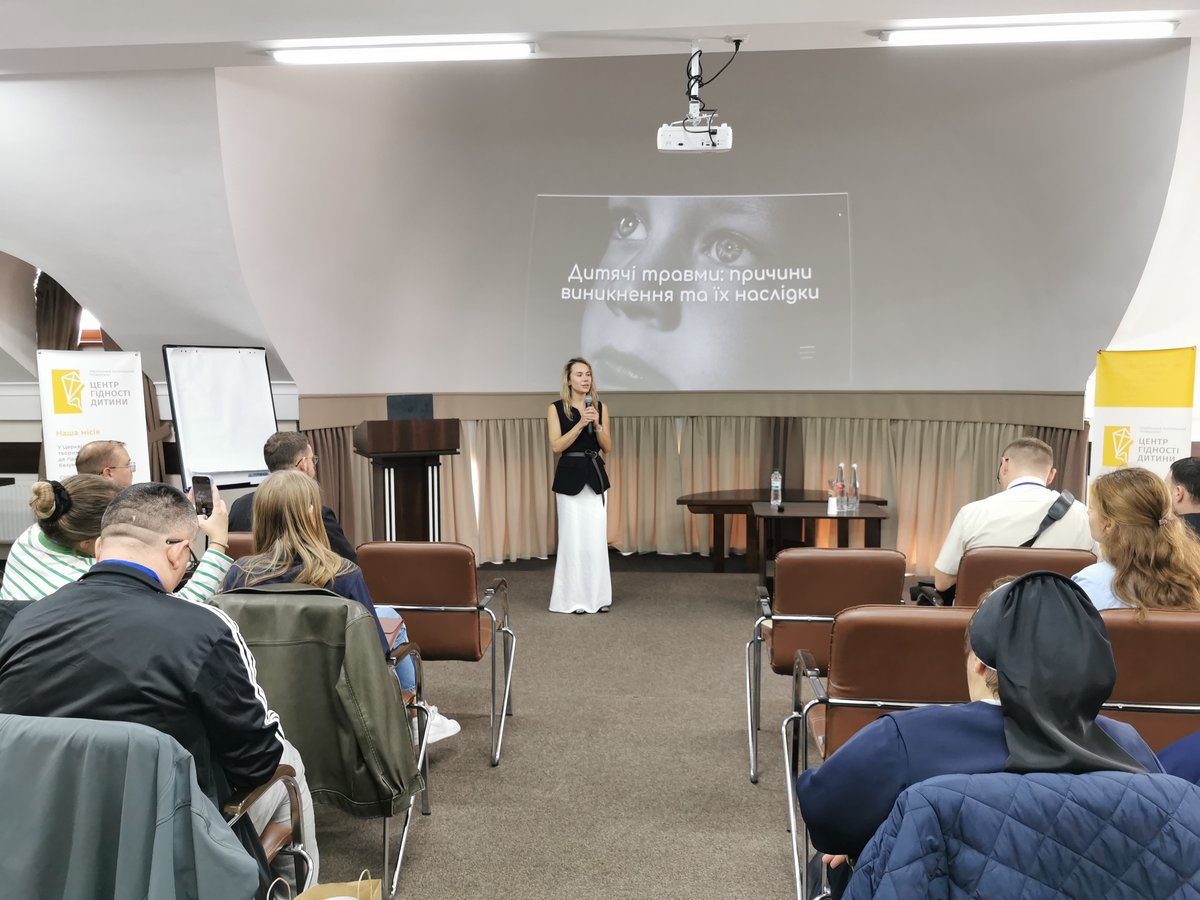
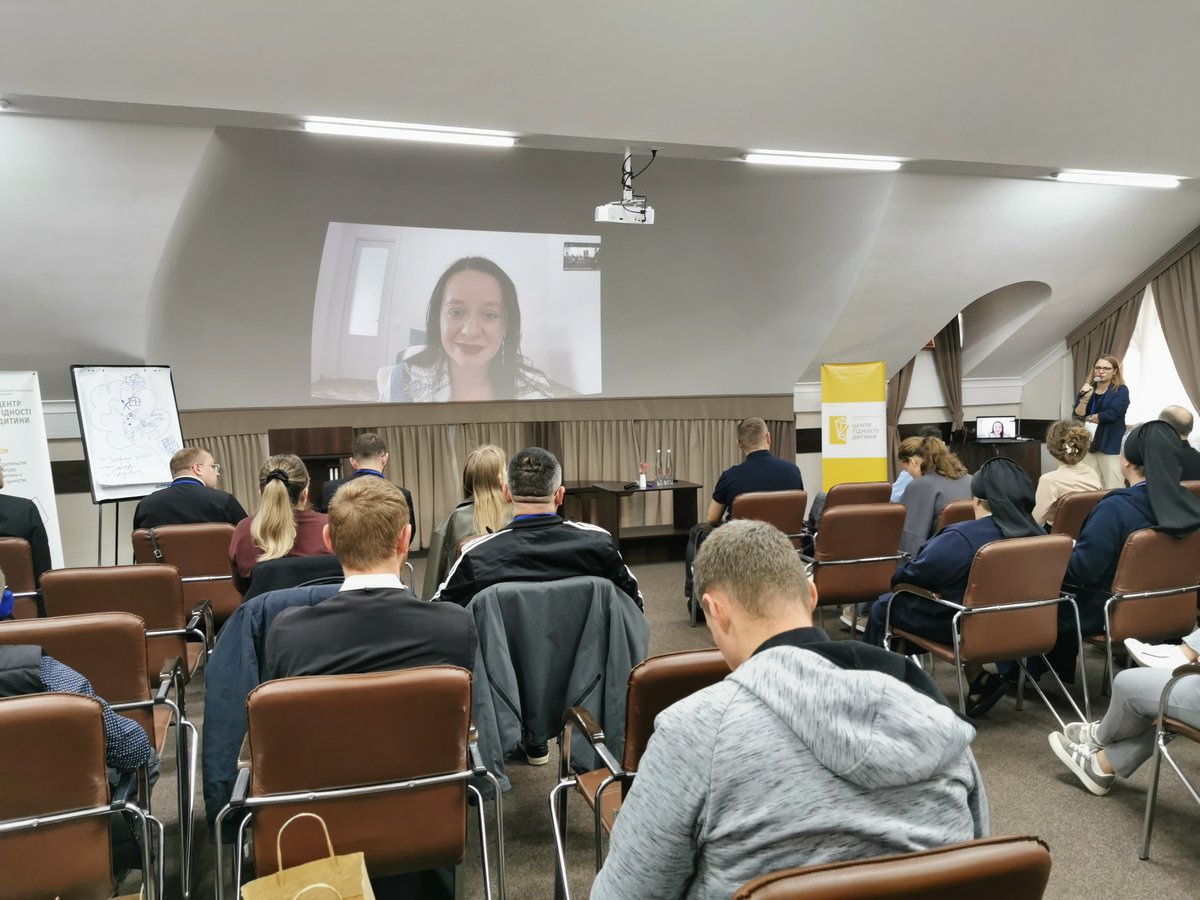
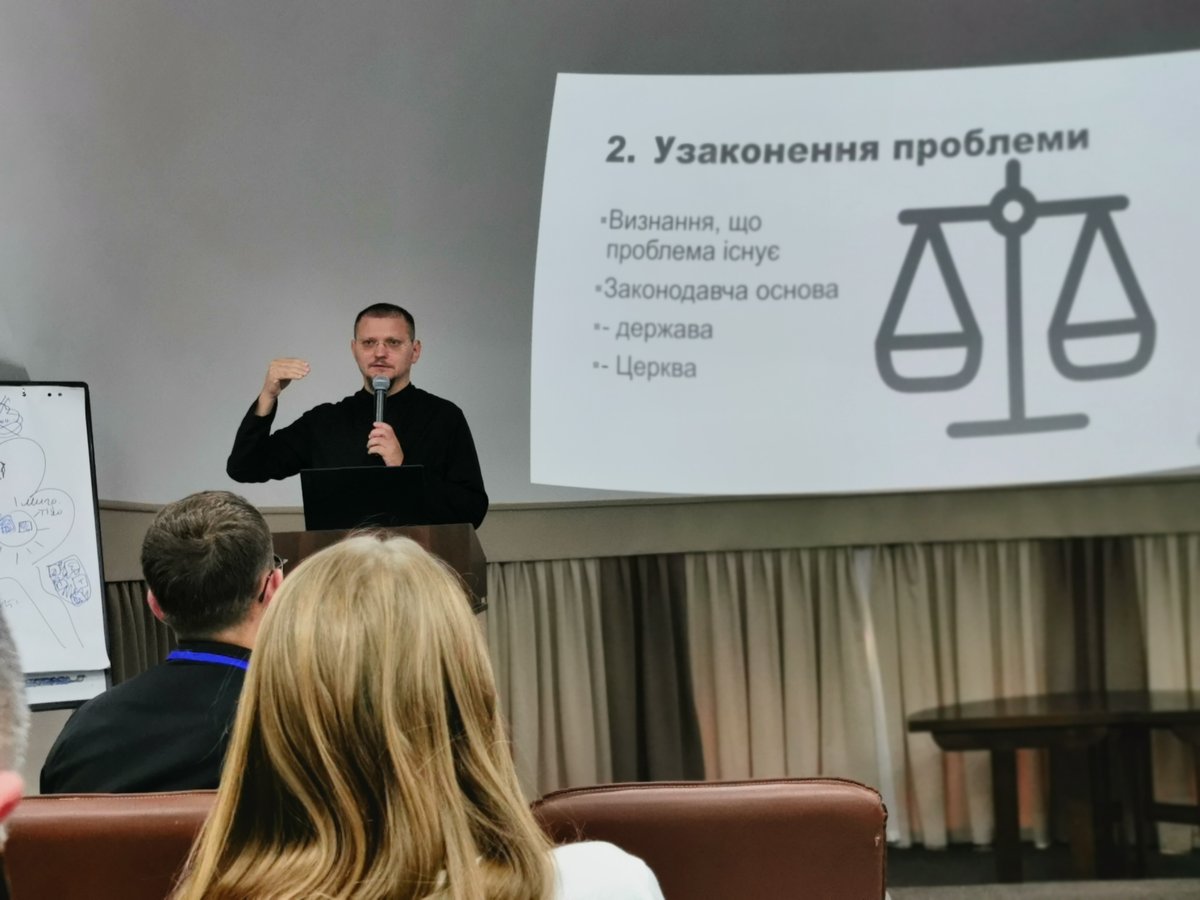
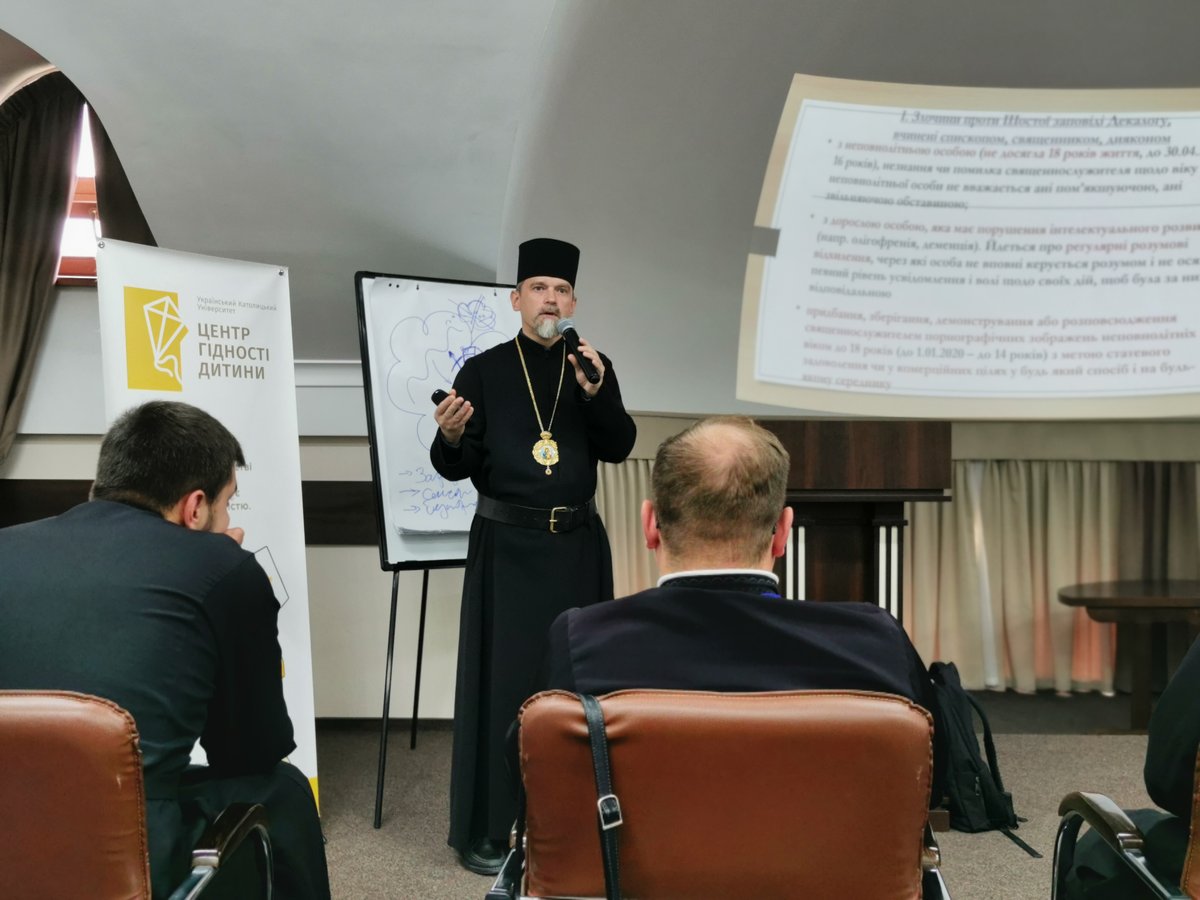
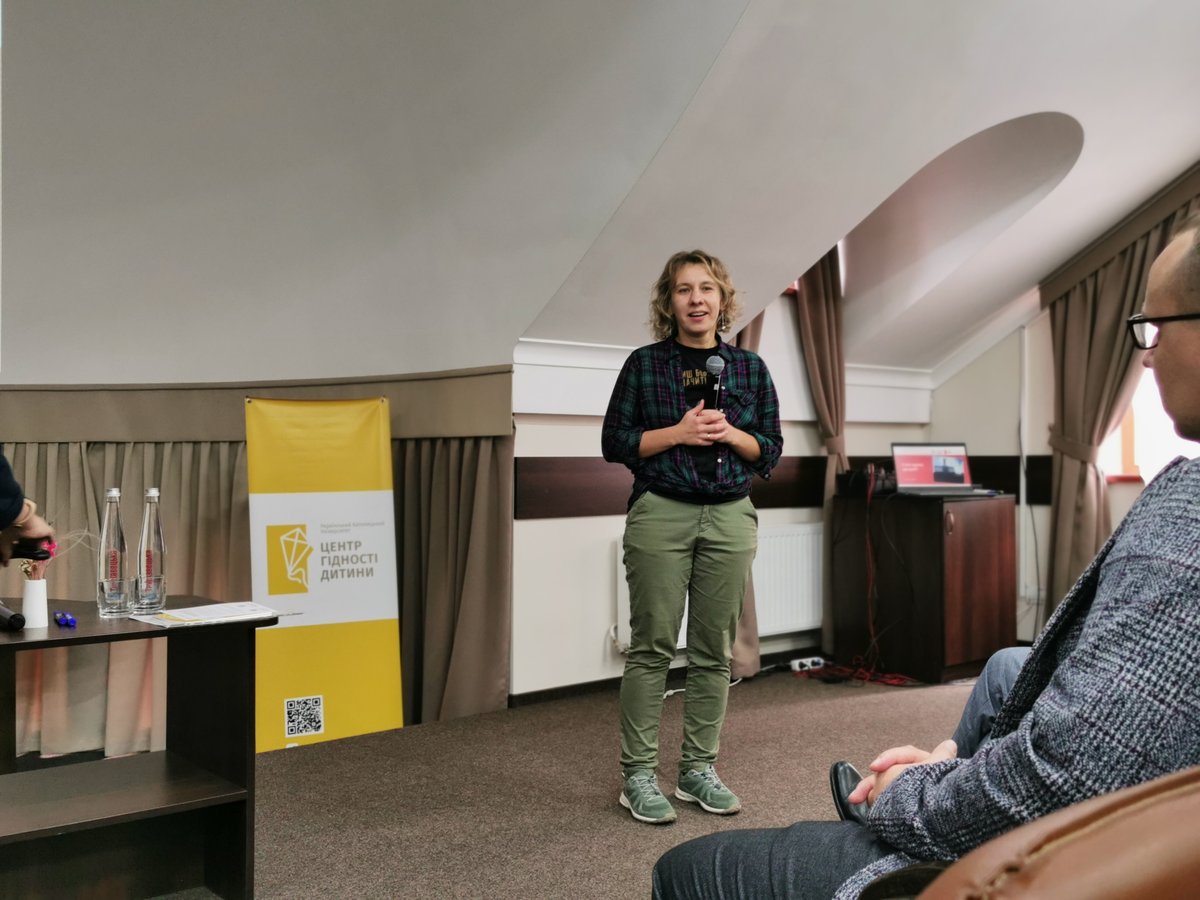
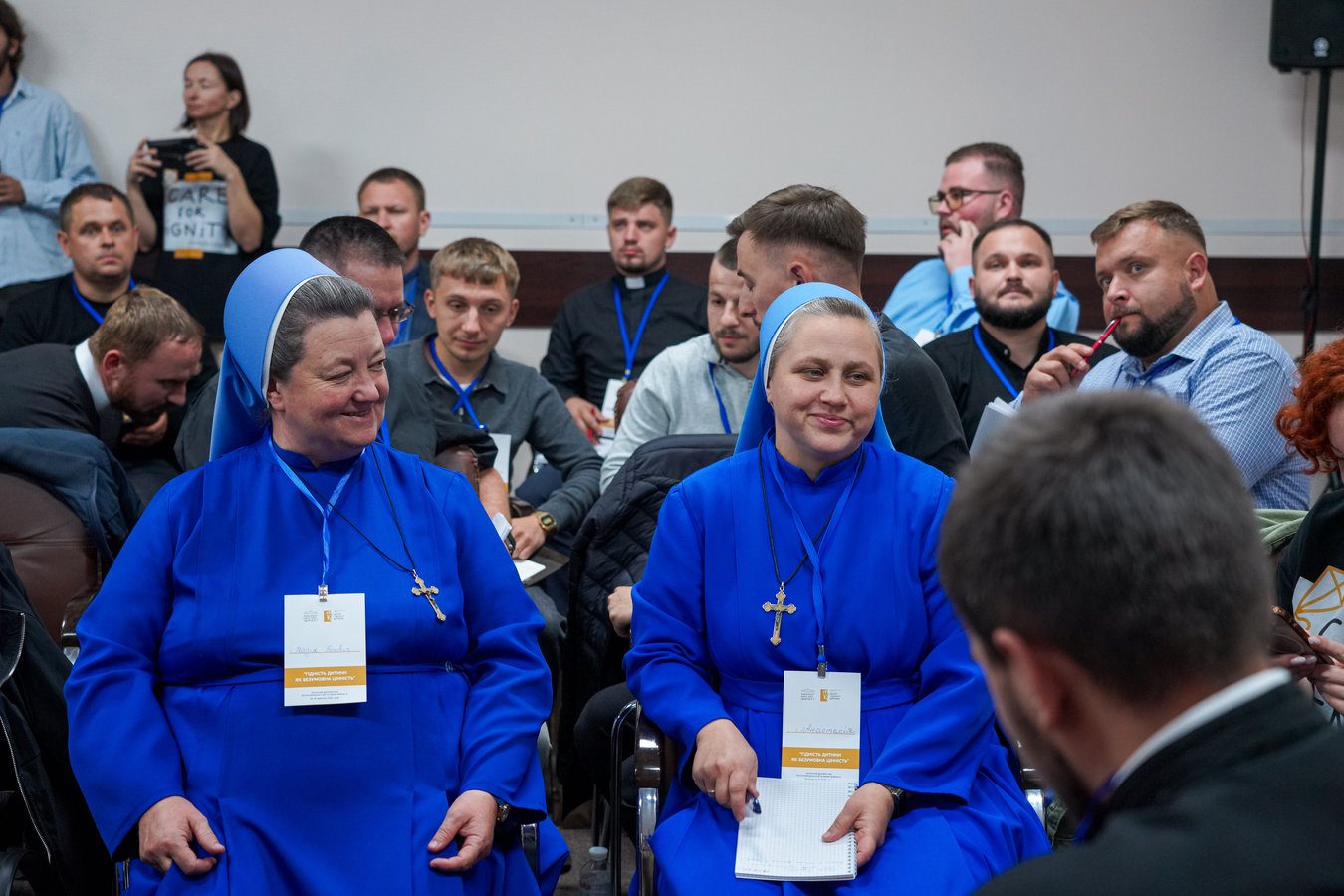
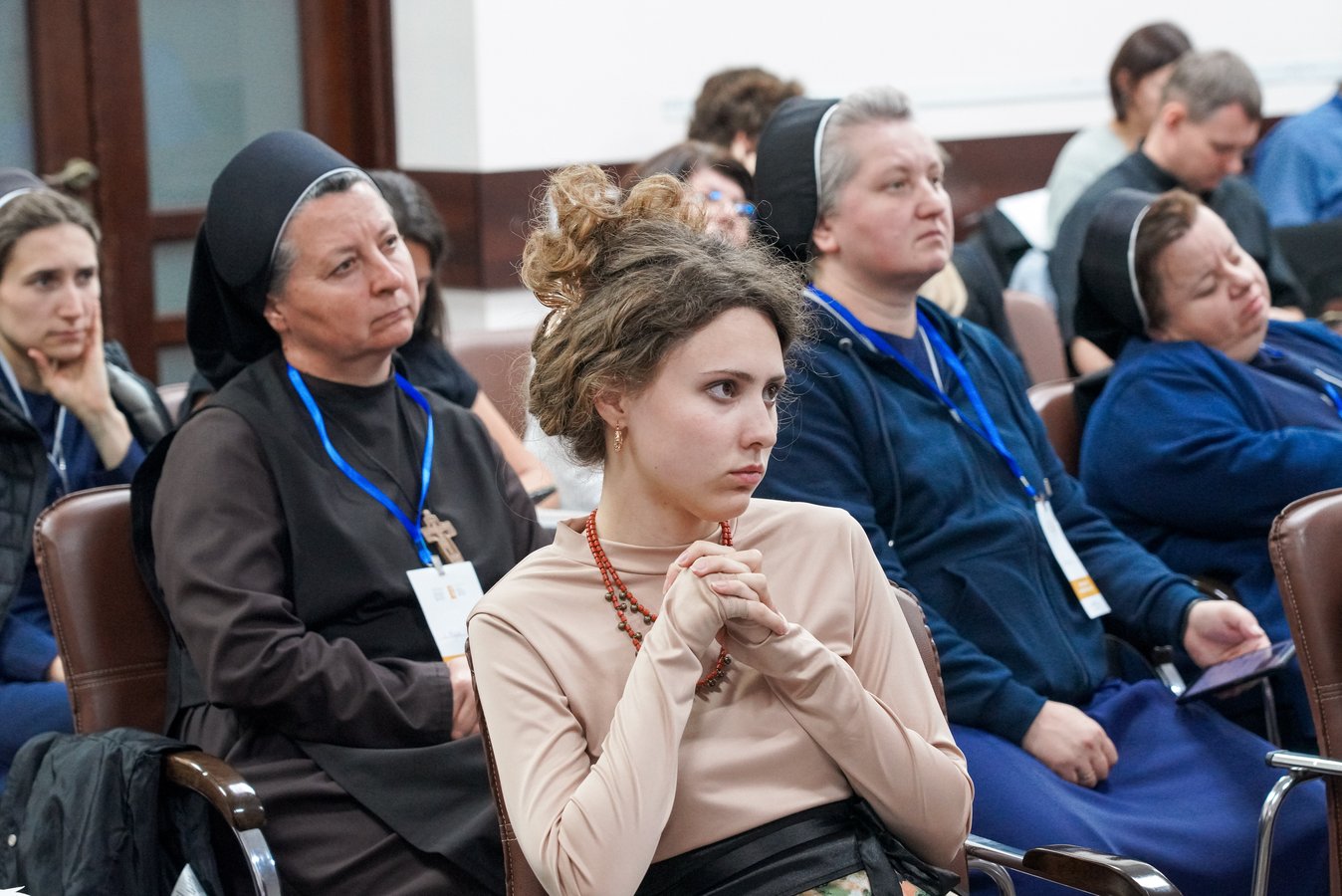
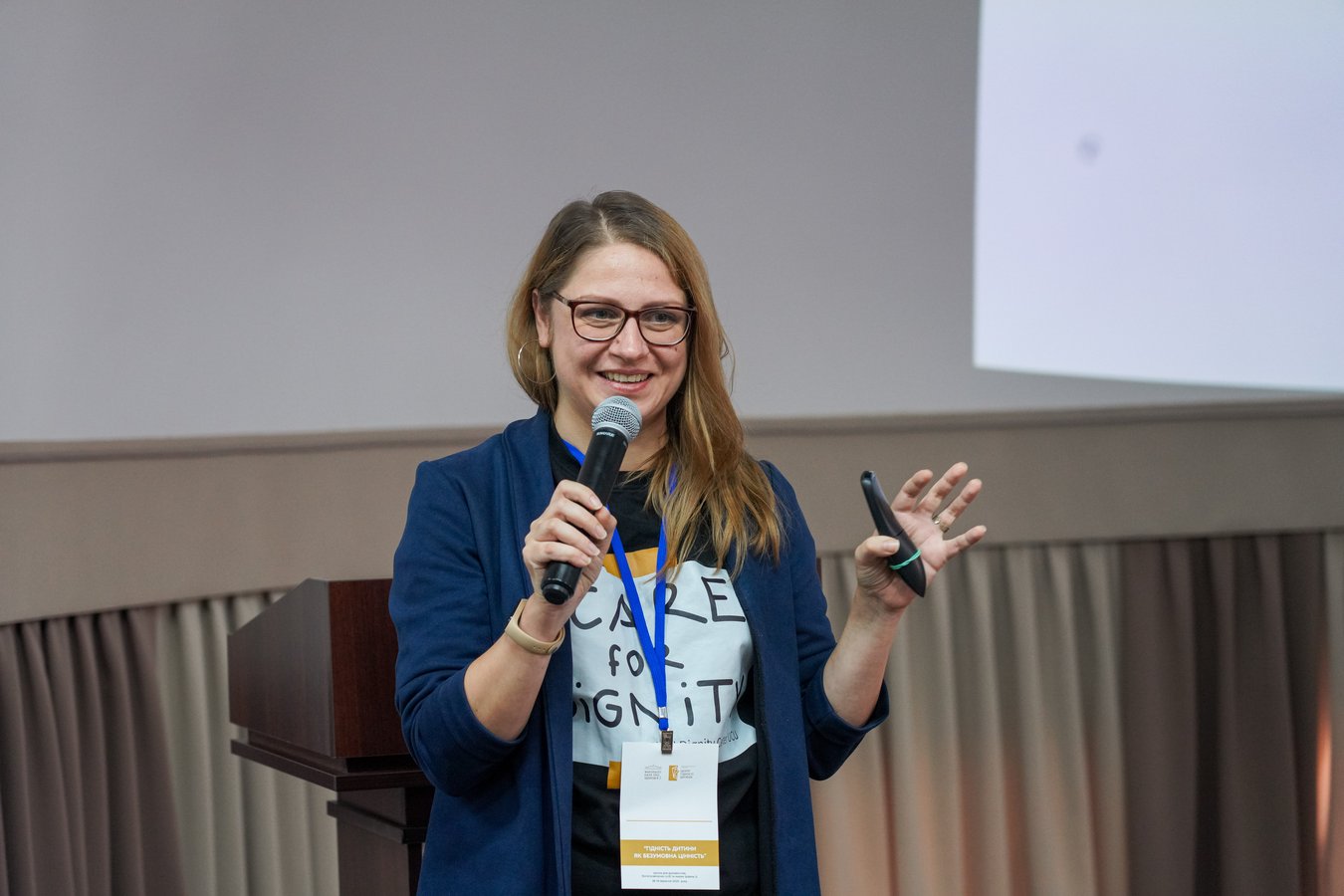
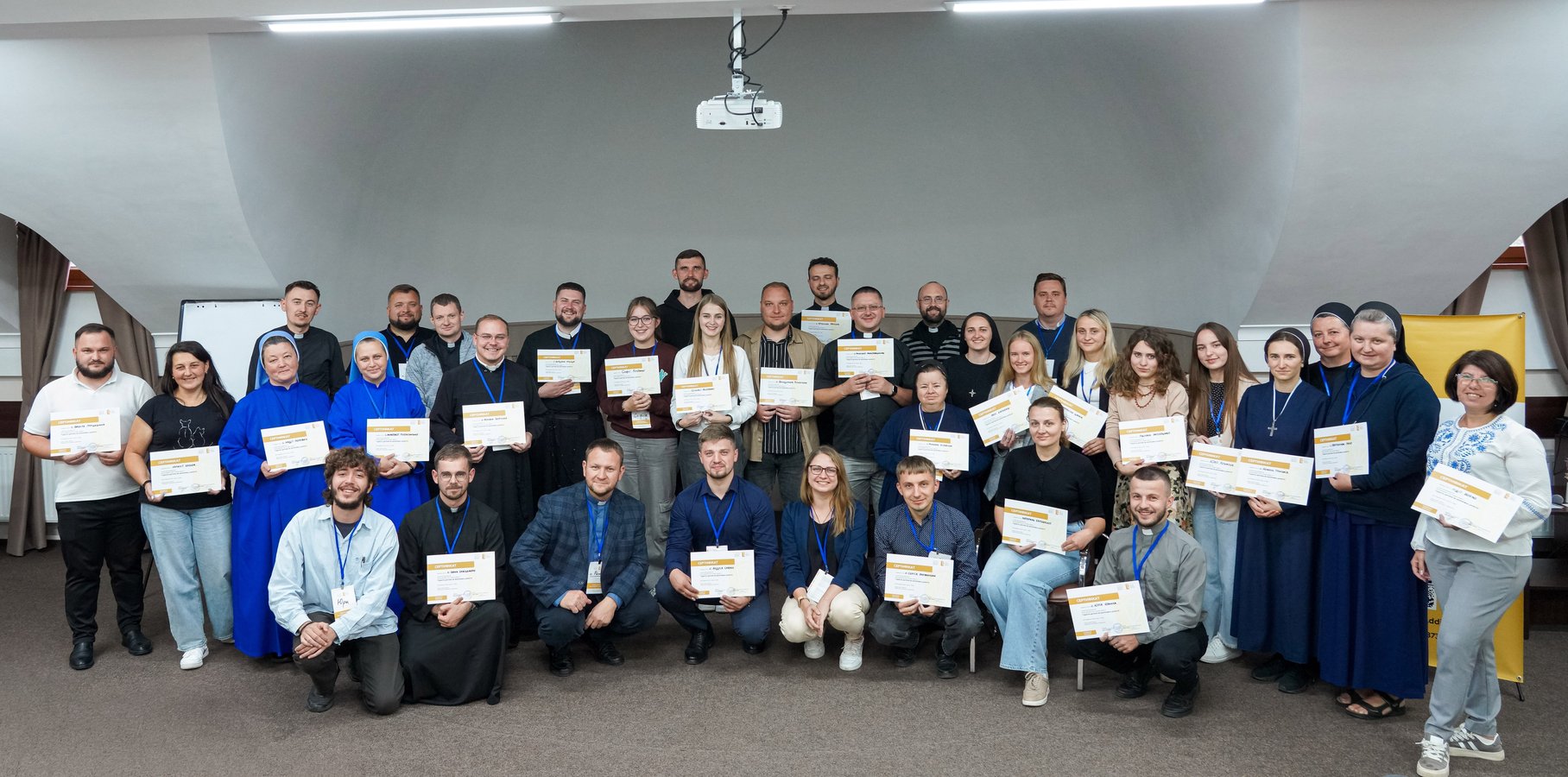
Photo: Vitaliy Grabar