To establish links with the child protection system, Khrystyna Shabat and Anastasia Shyroka visited Sweden
During a visit to Linköping University at the end of August, a delegation from UCU, comprising Khrystyna Shabat, Head of the UCU Child Dignity Centre, and Anastasia Shyroka, Associate Professor in the Department of Psychology and Psychotherapy at the Faculty of Health Sciences, learnt about Sweden’s experience in creating a safe environment for children.

In 2025, the UCU Child Dignity Centre launched a project in partnership with the Barnafrid Centre for Knowledge on Violence against Children at Linköping University, Sweden. The project aims to apply Swedish expertise in creating a safe environment for children in Ukraine. The idea behind the project is to provide Ukrainian experts, representatives of the civil society sector and social workers with access to Barnafrid’s educational materials.
Experts from the UCU Child Dignity Centre and the Faculty of Health Sciences at UCU helped to adapt the Swedish experience to our local context, as well as to distribute all the translated materials amongst Ukrainian civil society organisations.

Consequently, we were able to launch the Ukrainian-language online platform ‘Knowledge Portal’, which features theoretical materials, professional development tools, distance learning courses, as well as methodological and organisational support.
The next stage of the collaboration was a trip to Sweden by representatives of the pilot organisations participating in the project. In addition to UCU representatives Khrystyna Shabat and Anastasia Shyroka, the delegation included representatives from the civil society organisation ‘Gen.Ukrainian’, the ‘Voices of Children’ Foundation – which provides psychological support to teenagers – the Lviv City Council’s Children’s Services Department, and the ‘Ptashenia’ nursery.
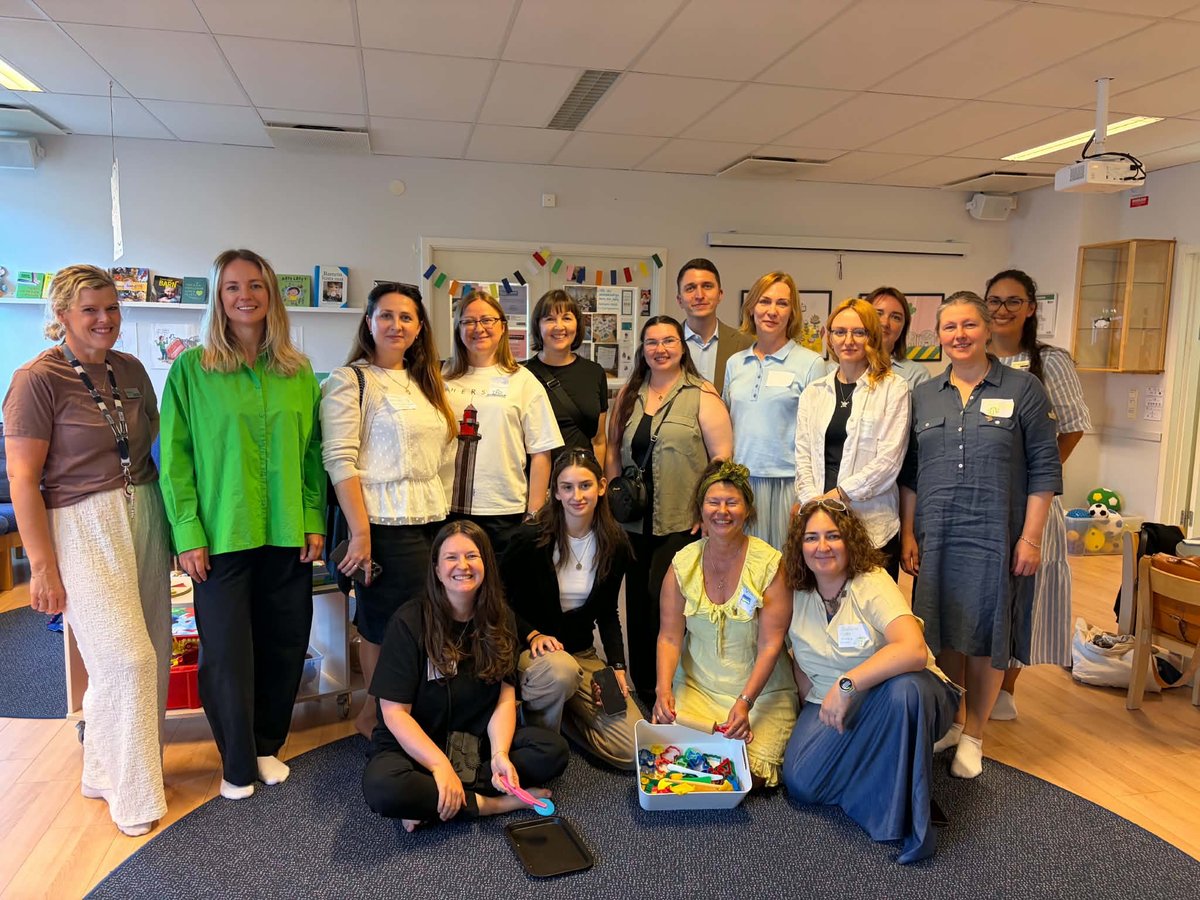
They visited family centres, which provide medical, social and educational services under one roof for pregnant women and families with children up to the age of six. In particular, these centres house a maternity clinic, a paediatrician, a social worker and an open nursery.

‘So, before giving birth, a woman goes there, and then brings her baby for check-ups, weighing and vaccinations. There is also an open nursery there, where anyone from the neighbourhood can come with their child, without booking, to play and spend time with other parents. “Furthermore, these centres have a social worker on hand so that, if anything goes wrong, they can respond immediately,” explains Khrystyna Shabat. “In this way, the Swedes are creating a cross-institutional framework for cooperation to prevent violence, postnatal depression and domestic violence. And that’s really brilliant. And it’s interesting that it isn’t regulated by law in any way. People on the ground started doing this. And only now, 30 years after the first such centre was established, has the state begun to document this experience.”
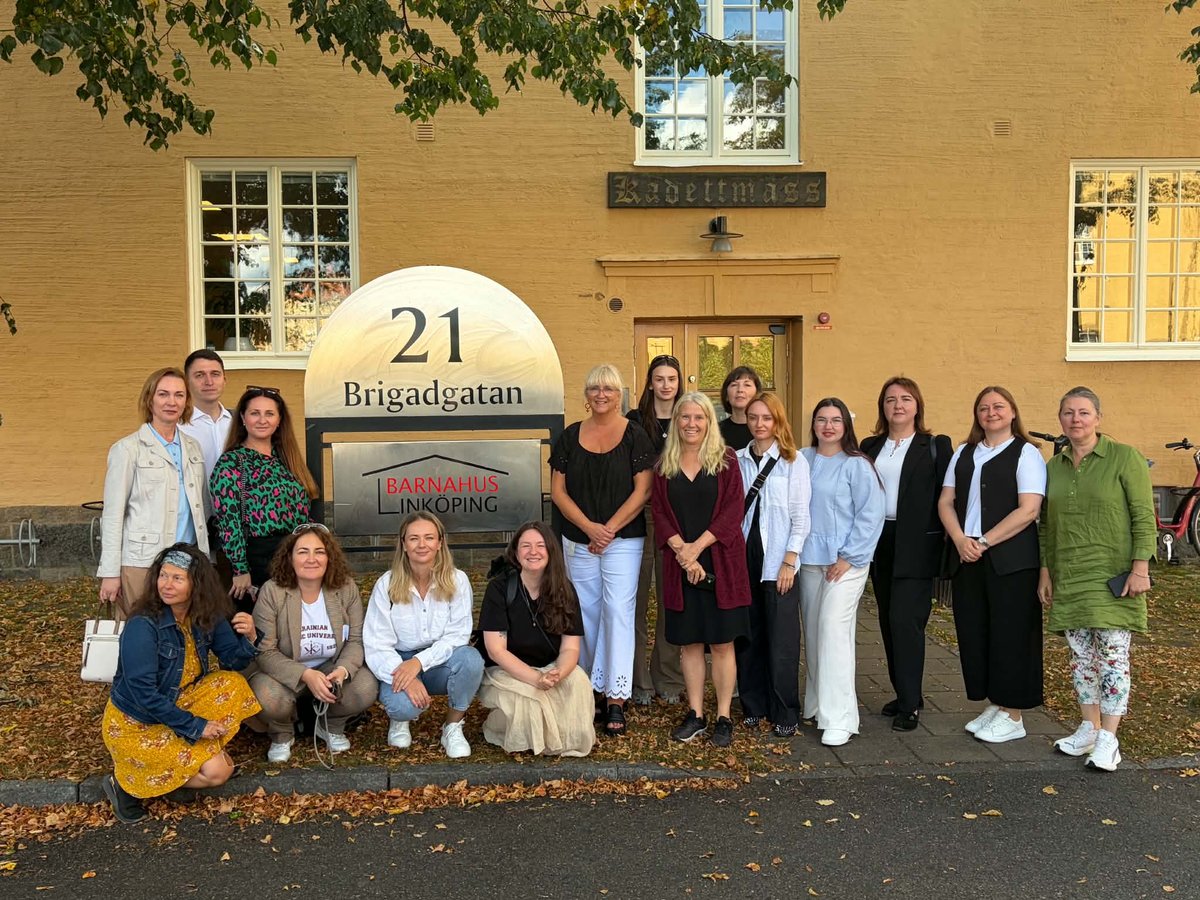
The Ukrainian delegation also visited ‘Barnahus’ – a centre working with children who have been victims of violence or who are perpetrators themselves. This is also an inter-institutional organisation. Psychologists, police officers, medical professionals and other specialists work there.
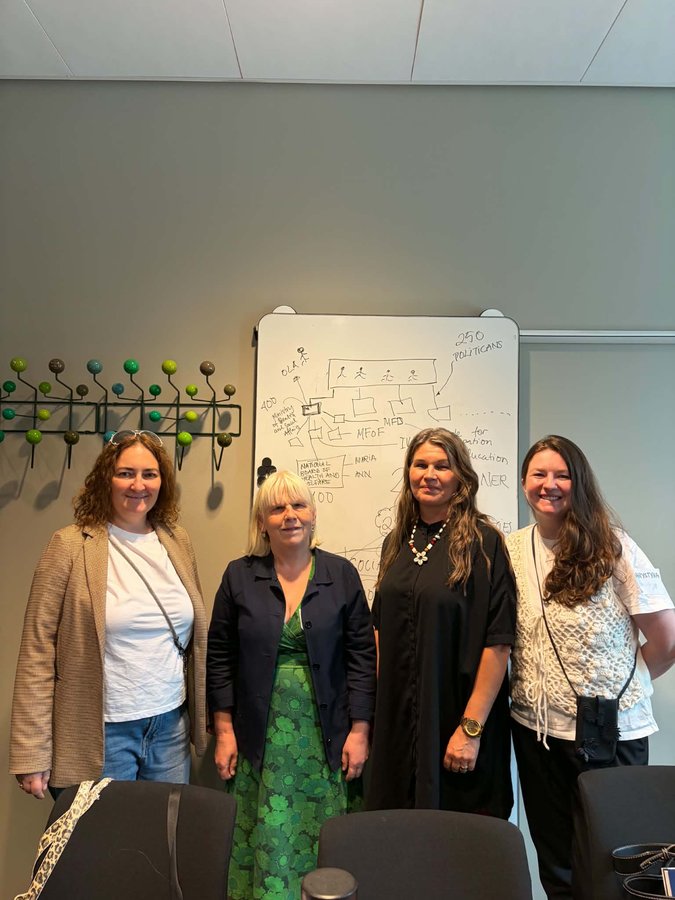
The Ukrainian delegation met with officials from the Swedish Ministry of Health and Social Affairs (Socialdepartementet).
“During the trip, we were shown some very interesting models of how a university can work with the community, and how university research influences the functioning of the child protection system. This is a good example for us. This trip also provides an opportunity to establish links with the Swedish child protection system, which is one of the most consistent and long-standing,” concludes Khrystyna Shabat.