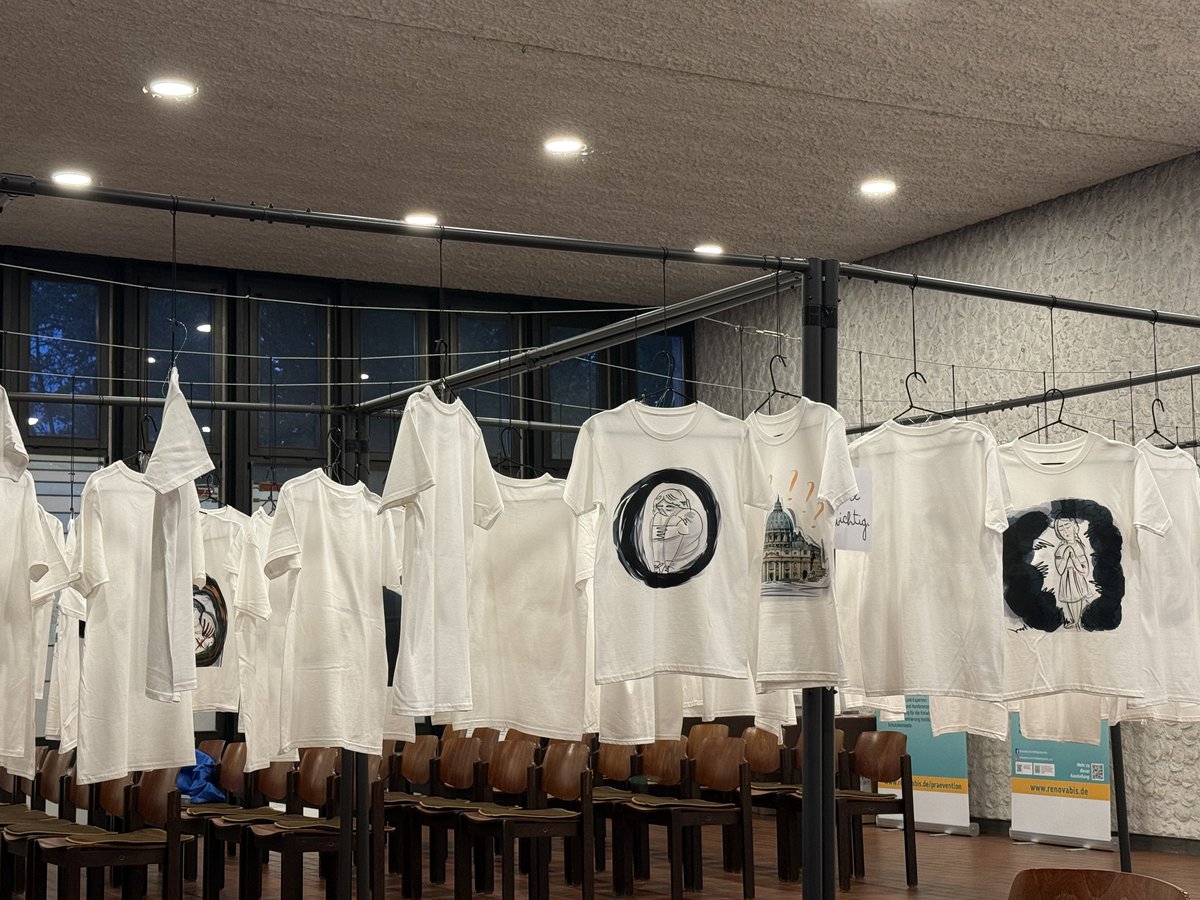
Koblenz has become the third city in Germany to host an exhibition by the UCU Child Dignity Centre
The exhibition "Recognize. React.” by the UCU Child Dignity Centre was presented at St Hedwig’s Church in Koblenz, in western Germany. This is now the 10th city in Europe to host the installation, developed as part of the online course "SAFEGUARDING. Child Safety in the Church Environment".

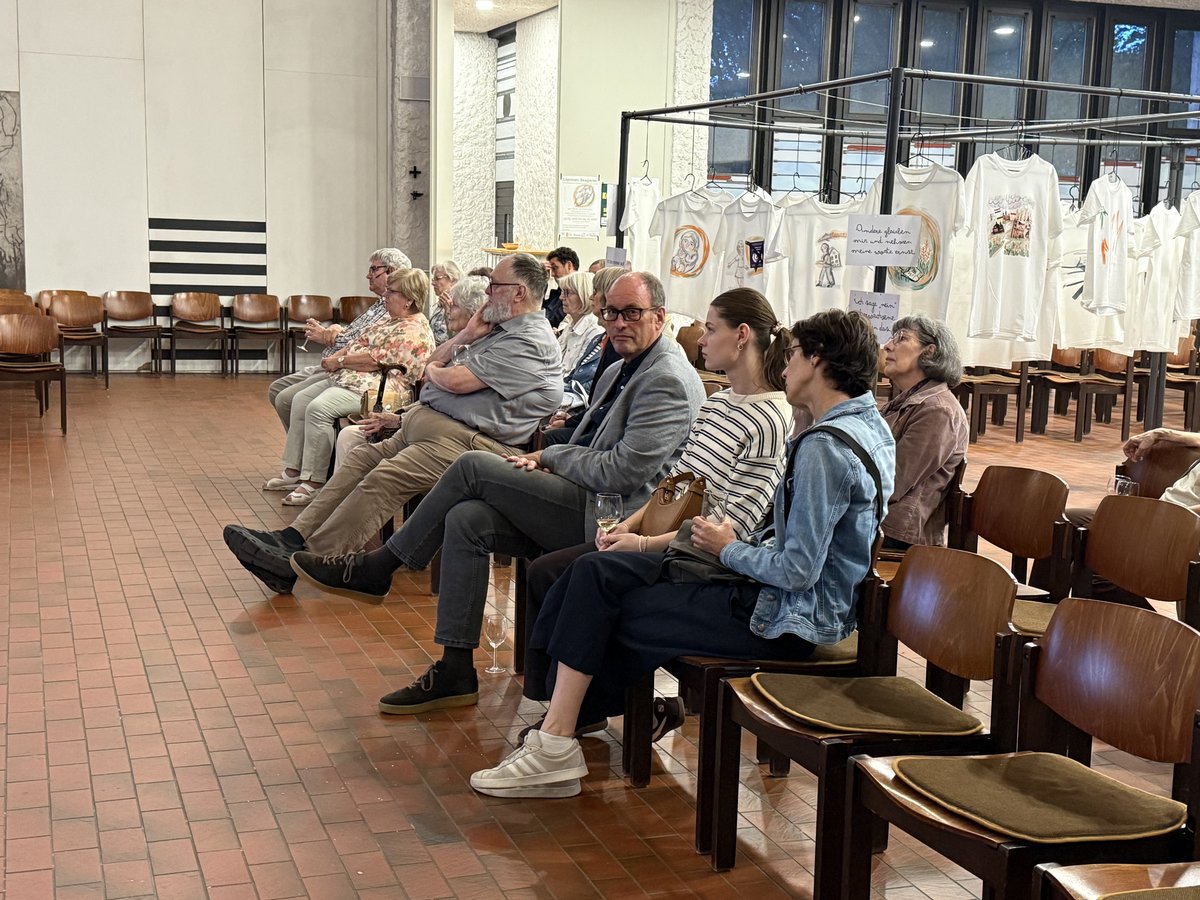
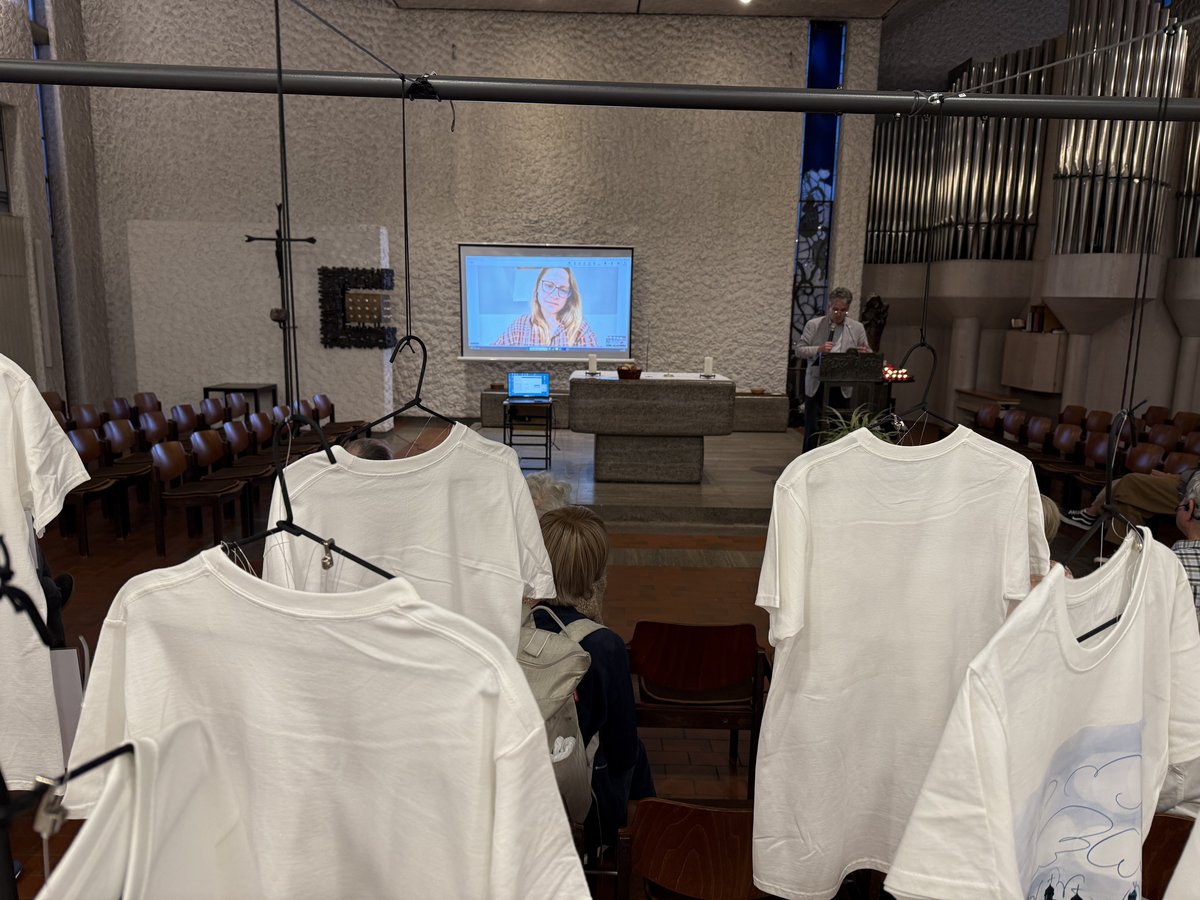
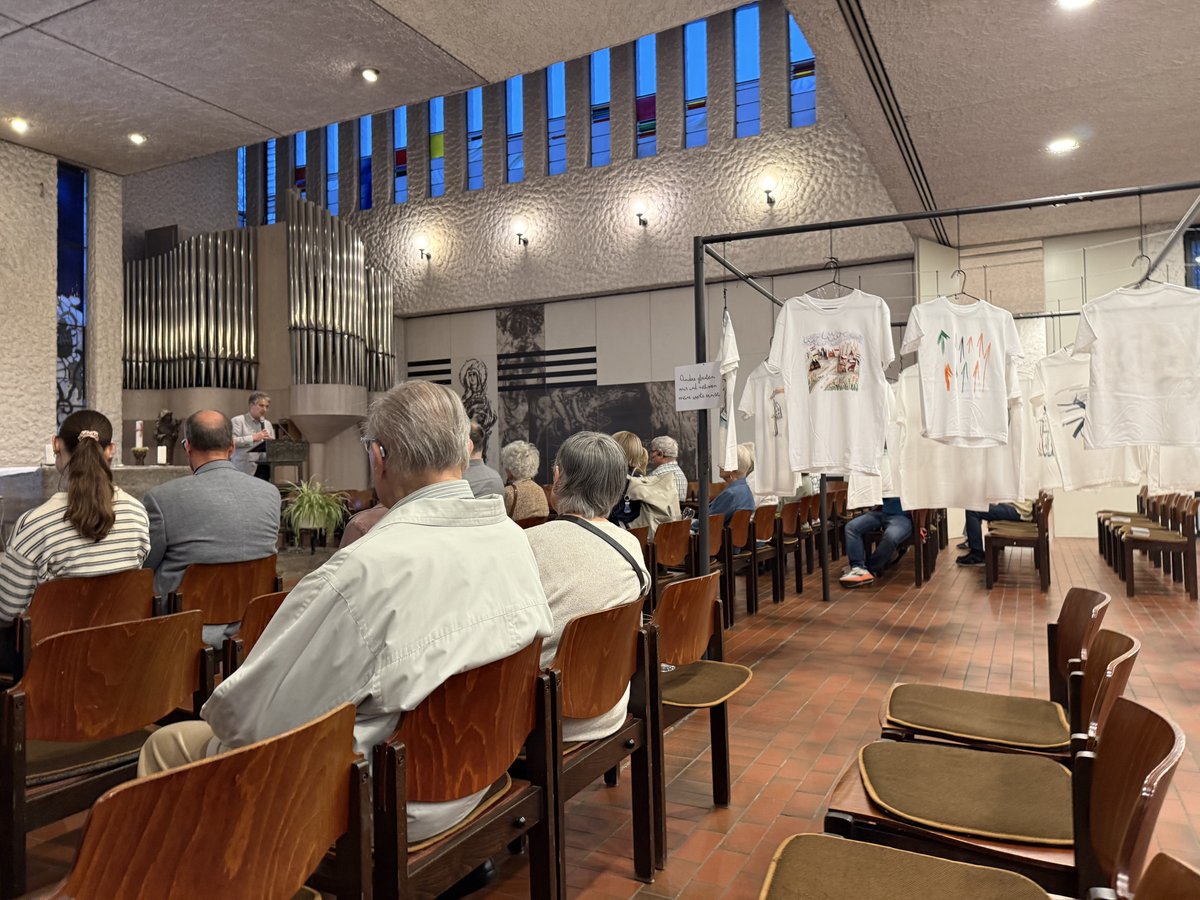
In the two years since its launch in 2024, the "Recognize. React.” exhibition has been seen by over 35,000 people in seven countries around the world. As well as Ukraine, the exhibition has been shown in the Czech Republic, Poland, Hungary, Germany, Slovenia and Slovakia. The installation, comprising 120 T-shirts bearing messages, symbolises a crowd of people, each sharing their childhood experiences.
“Some of these experiences are joyful: friendship, support. Others are far more complex: rejection, isolation, violence, loneliness. Every day we pass hundreds of people and never know what each of them is carrying inside. That is precisely why it is so important to be sensitive to one another. And when it comes to injustices against children – we must be ready to protect them,” emphasised Ivanka Rudakevych, head of the “Church” division at the UCU Child Dignity Centre and the project’s coordinator, during the exhibition’s opening.


She thanked everyone who had made it possible for this exhibition to be seen in Koblenz – the ‘Renovabis’ charitable foundation, the Diocese of Trier in Germany, and the staff of St Hedwig’s parish, who organised the installation in the church.
This is already the third exhibition in Germany since the ‘Renovabis’ Foundation took an interest in it and launched the initiative to take it on a ‘tour’ of German Catholic dioceses. Dr Markus Ingenlath, Senior Vice-President of the ‘Renovabis’ Foundation, attended the opening of the exhibition.
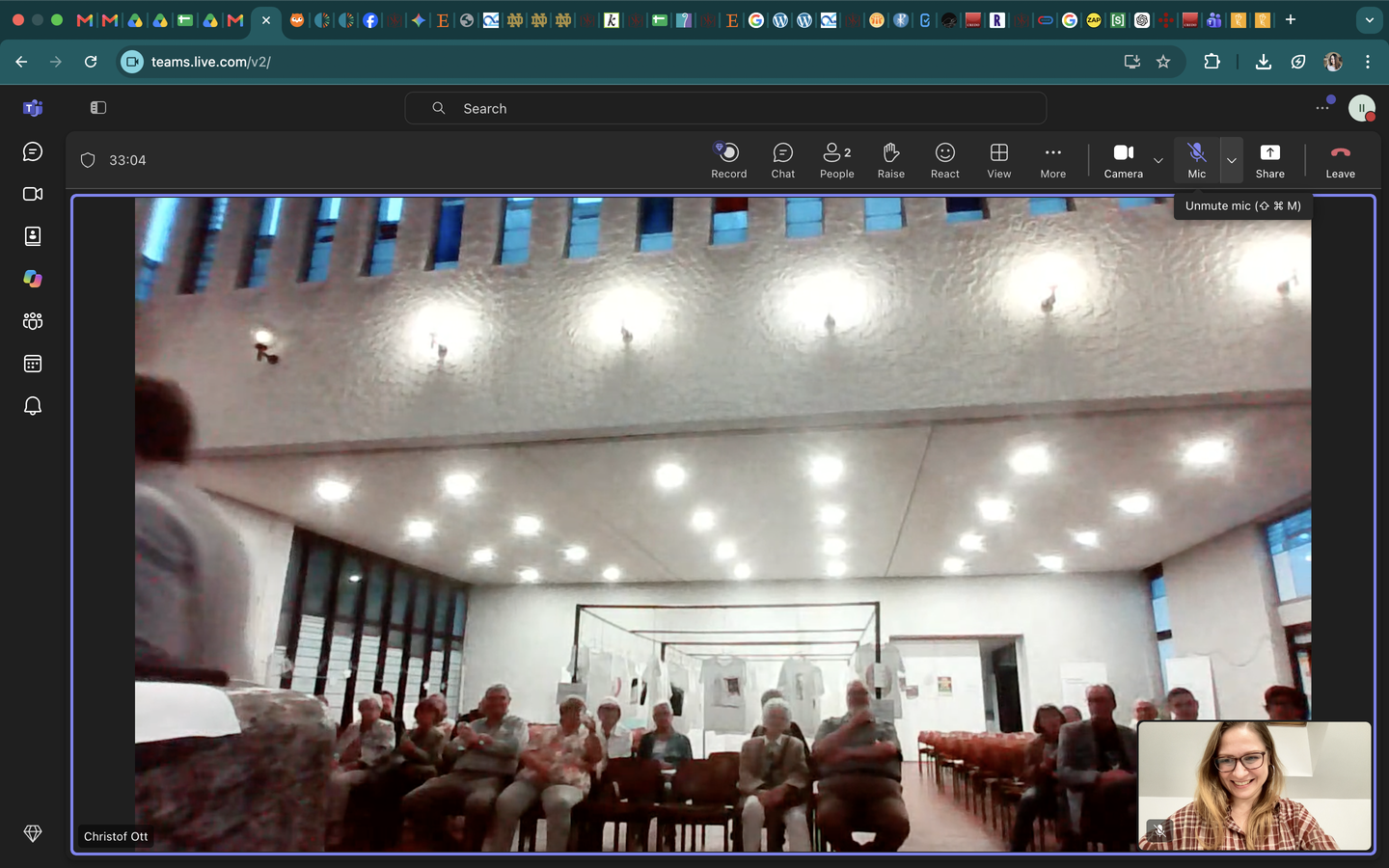
‘In Koblenz, for the first time, the exhibition was not placed in a side aisle of the church, but in the centre. The faithful come to the Liturgy, take their seats on the benches around the perimeter, whilst in the centre – as if another ‘crowd of people’ were joining the Church community. I was struck by this idea, and was even a little nervous about how the faithful would react to it. The exhibition took on a kind of performance format, where the fragments of childhood that each member of the ‘crowd’ carries are effectively integrated into the community. They are no longer hidden; on the contrary, they are on full display,” said Ivanka Rudakevych.

Speaking about the concept behind the exhibition, she remarked: “Unfortunately, violence does not disappear entirely. Children remain vulnerable. There are still many people who have suffered harm and who need justice, support and healing. But how can we talk about these issues in a way that ensures people really listen to us, rather than turning away or avoiding this difficult subject? Art can help with this. It is a universal language and can speak to everyone through form, colour and symbols. For us, the exhibition is a way of speaking: to start or resume a conversation.”
The idea for the installation arose alongside the development of the online course ‘SAFEGUARDING. Child Safety in the Church Environment’, on which experts from the Centre for Child Dignity worked alongside specialists from Croatia, the Czech Republic, Ukraine, Poland, Slovakia and Hungary. The visual aspect was handled by the artist Ulyana Krekhovets. Her sketches were subsequently transferred onto T-shirts. This is how the concept for the ‘Recognise. Respond’ installation came about.