When Art Does What Words Cannot: The “Recognize. Respond.” Exhibition in the Diocese of Trier, Germany
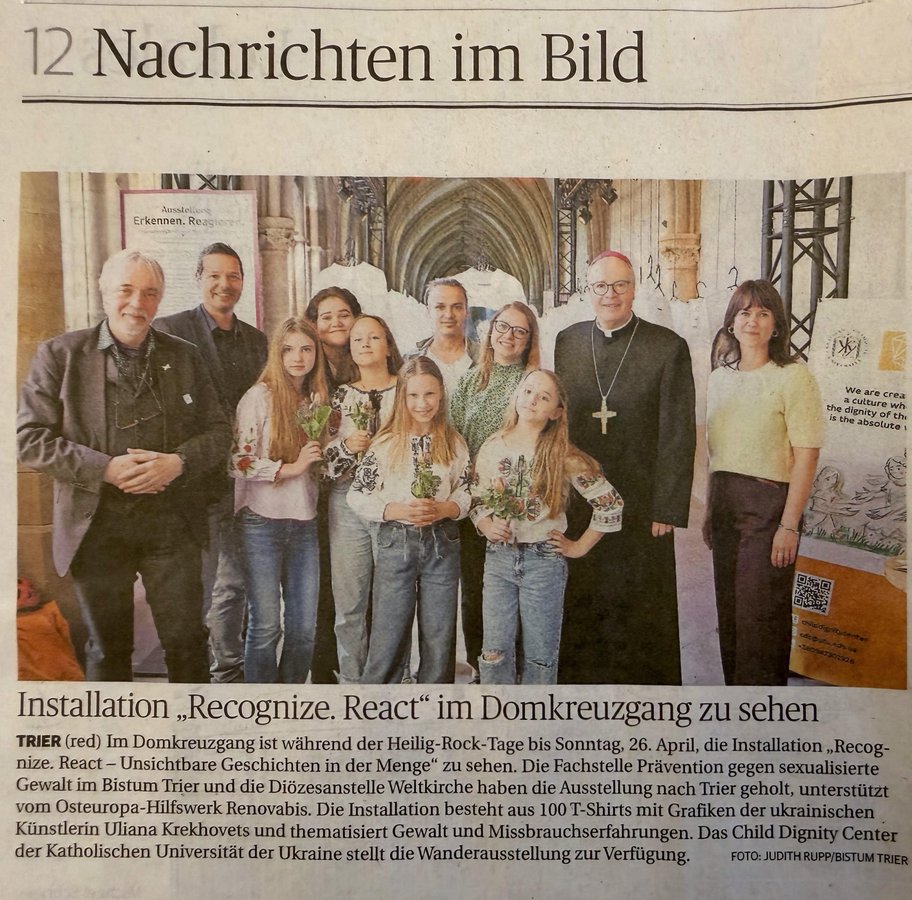
An exhibition by the UCU Child Dignity Centre was presented in the Diocese of Trier, Germany. In April, during the Days of the Holy Tunic — one of the largest Catholic festivals in Germany — the opening of the exhibition “Recognize. Respond” by the UCU Child Dignity Centre took place at Trier Cathedral.

The Diocese of Trier has been working to prevent violence for 16 years, which is why its experts know that even well-established prevention systems need a fresh perspective. The organizers of the exhibition in Trier wanted to use the Ukrainian exhibition to draw attention to the topic of violence prevention as part of the Days of the Holy Tunic. The exhibition in Trier was opened at the request of and in collaboration with the Renovabis, a charitable organization.

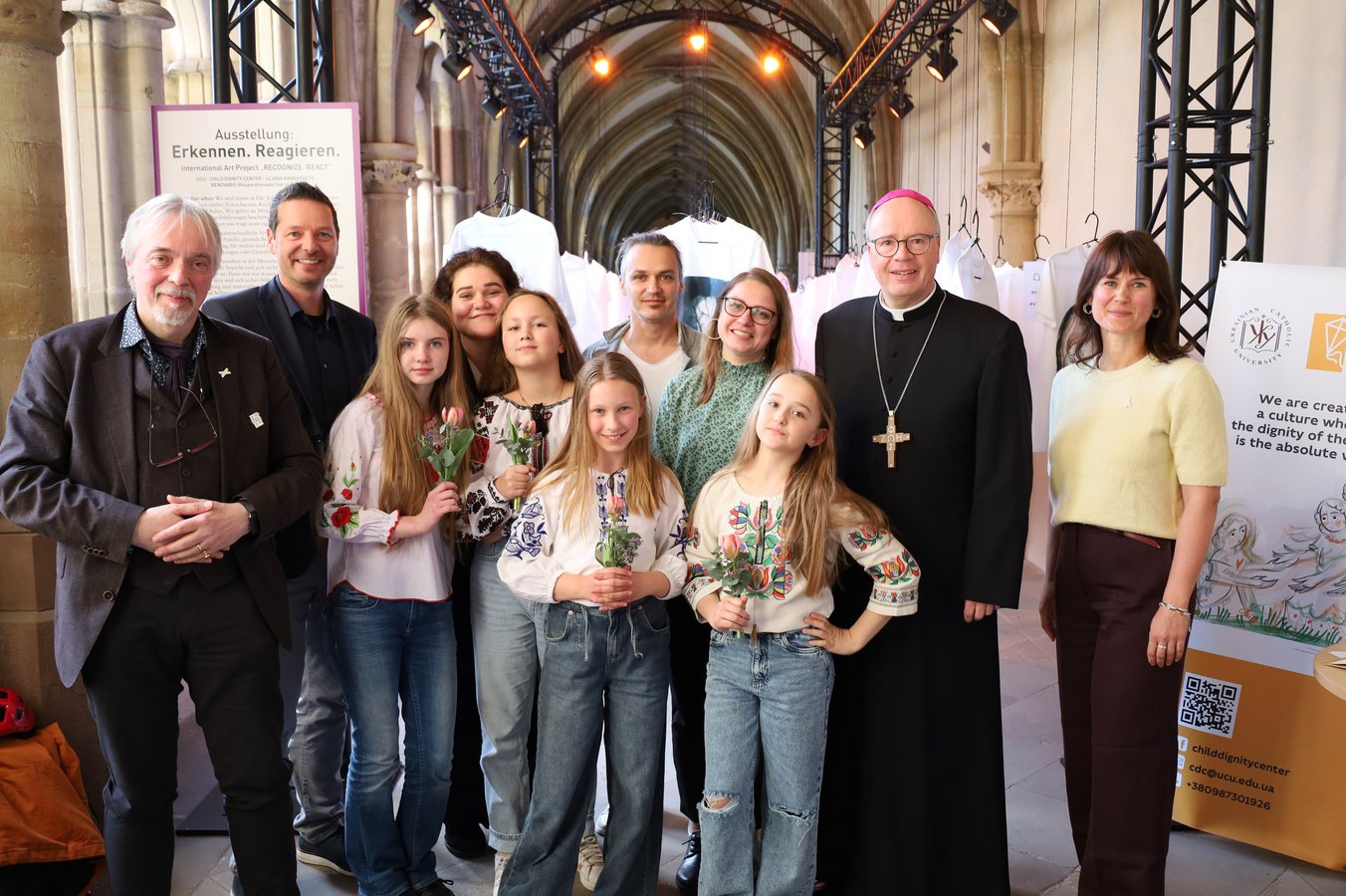
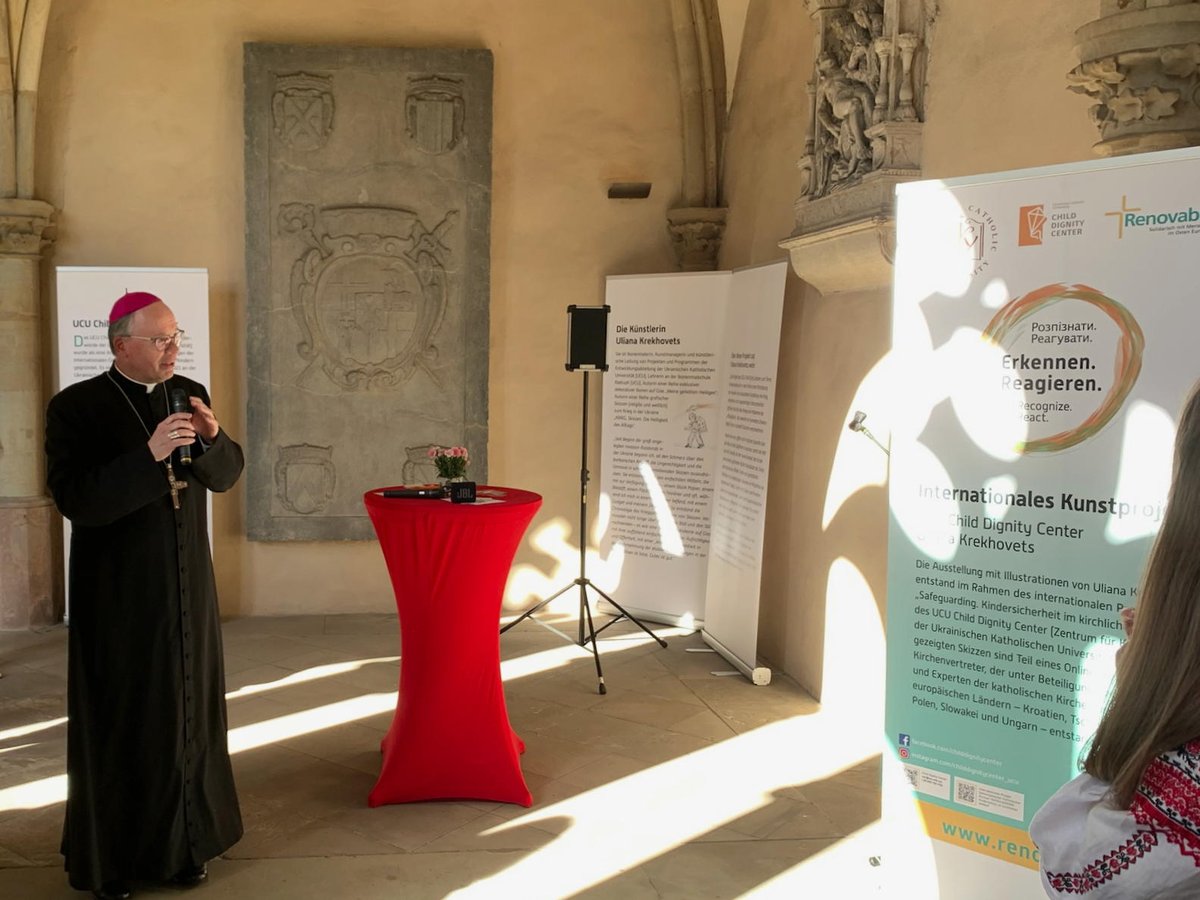
Representatives of the Church, the academic community, and the Ukrainian community attended the opening of the exhibition at Trier Cathedral, in the very heart of Germany’s oldest city. Among them were: Stephan Ackermann, Auxiliary Bishop of Trier, Tomasz Welke, a staff member of the Diocesan Office for the Universal Church in Trier, and Dr. Torsten Hoffmann, head of the Diocesan Office for the Universal Church in Trier. Dr. Andreas R. Zimmer, head of the Counseling and Prevention Department of the Diocese of Trier; Anna Stetska, president of the German-Ukrainian Society; and Ivanka Rudakevych, head of the “Church” division at the UCU Child Dignity Centre.
Bishop Stefan Ackermann, who for over a decade led the child protection efforts in the Catholic Church in Germany, emphasized: “When a country at war brings such a project here, it is inspiring. It shows that we, the Catholic Church, are a community that is constantly learning from each other.”

“We have been investigating and preventing violence for 16 years. All this time, we have been looking for tools that would help people engage with this topic not out of fear, but out of curiosity. Art allows us to approach the problem gently,” notes Dr. Andreas R. Zimmer. According to him, the main challenge in creating a safe environment for children in Germany is the illusion that the issue has been fully addressed. High-profile cases were made public long ago, but it is precisely through an art exhibition that we can bring the issue to the forefront and draw attention to the importance of preventive measures here and now.

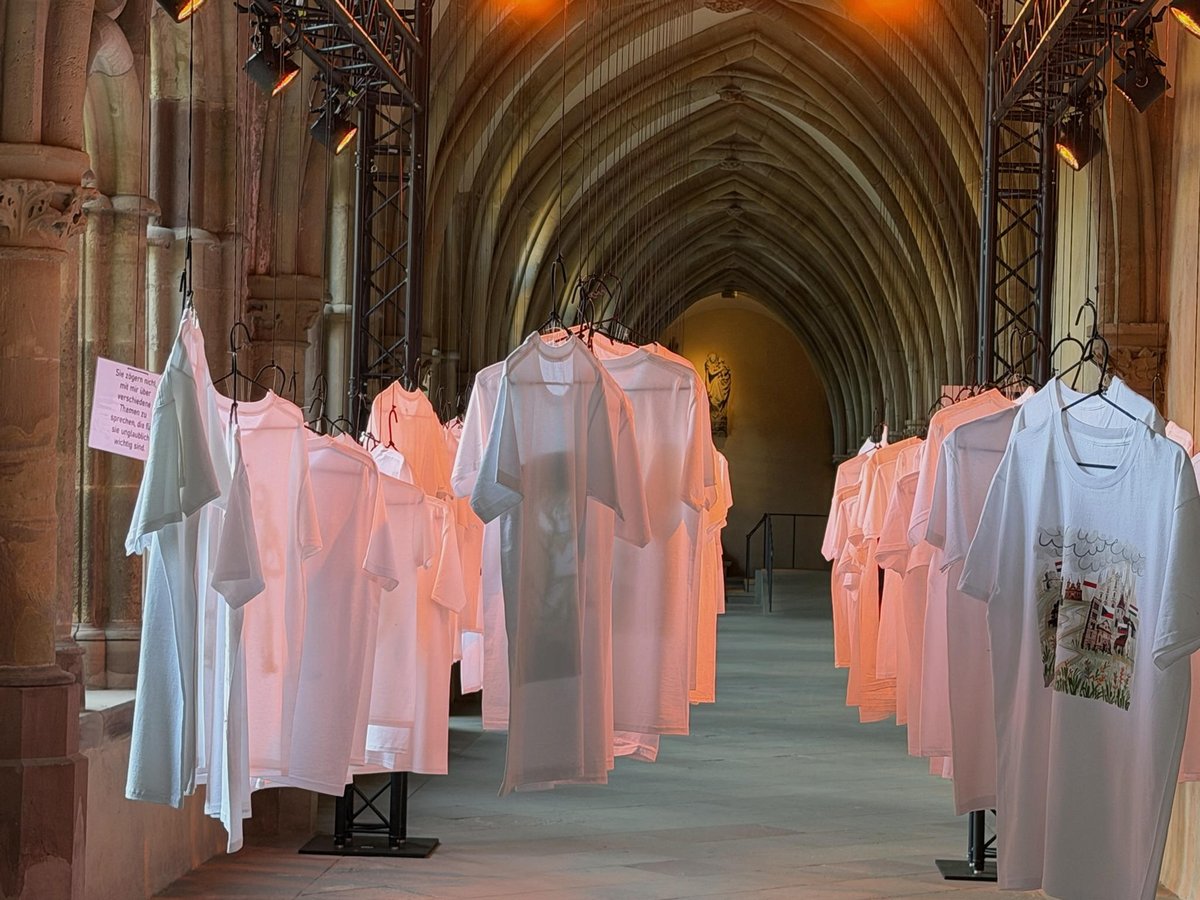
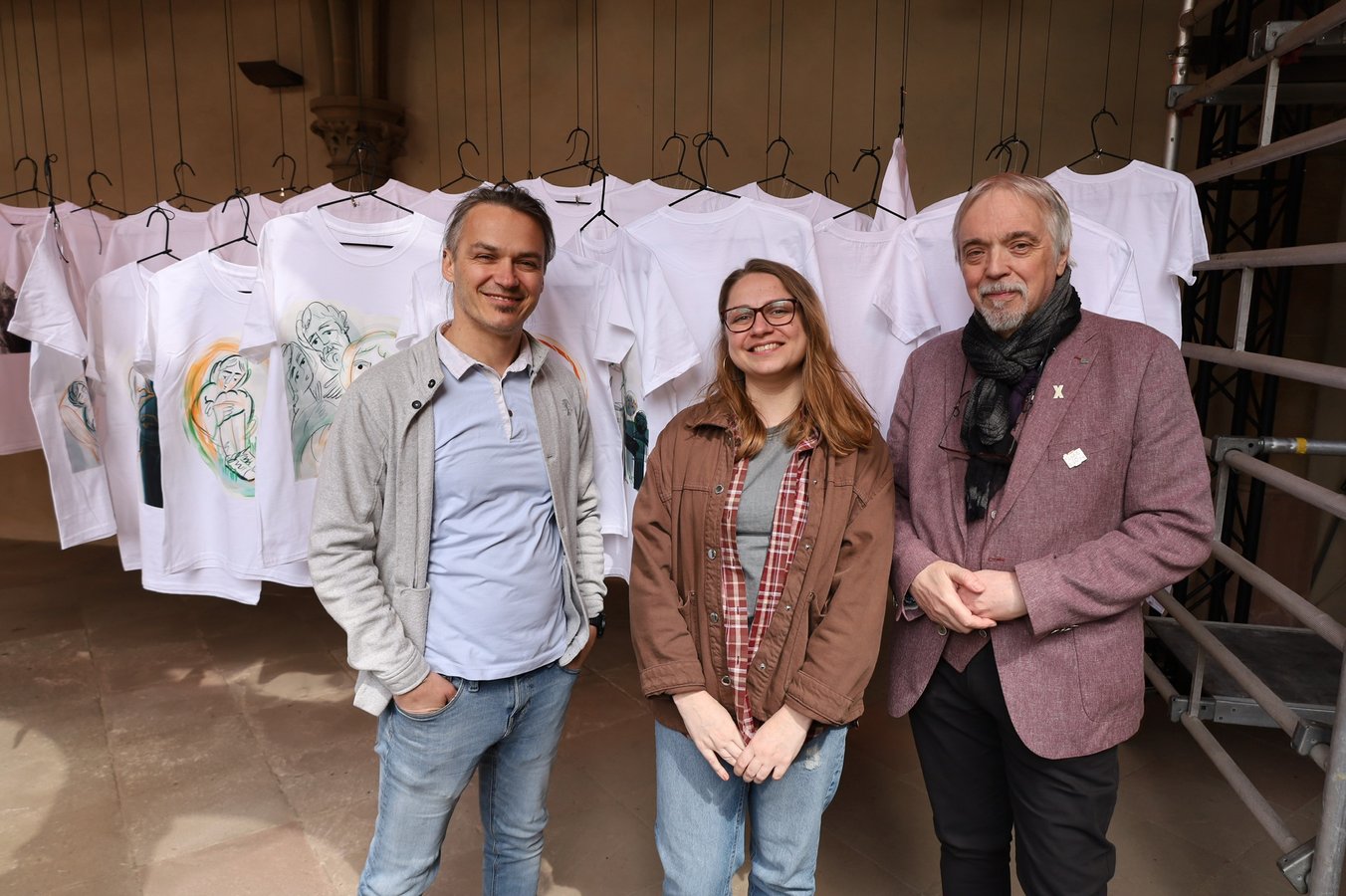
The exhibition featured over 120 T-shirts with illustrations by artist Uliana Krekhovets. They symbolize our daily lives and the thousands of people we pass by, each with their own experiences that have brought them joy or sorrow.
Dr. Andreas Zimmer highlights the image of a witness to violence as one of the exhibition’s key themes. Stories of violence show that there was often someone nearby who saw the danger but did not react or help the child. “The idea is to help the observer stop being just a bystander and become the first person to help. This is a key aspect of prevention,” adds Zimmer.
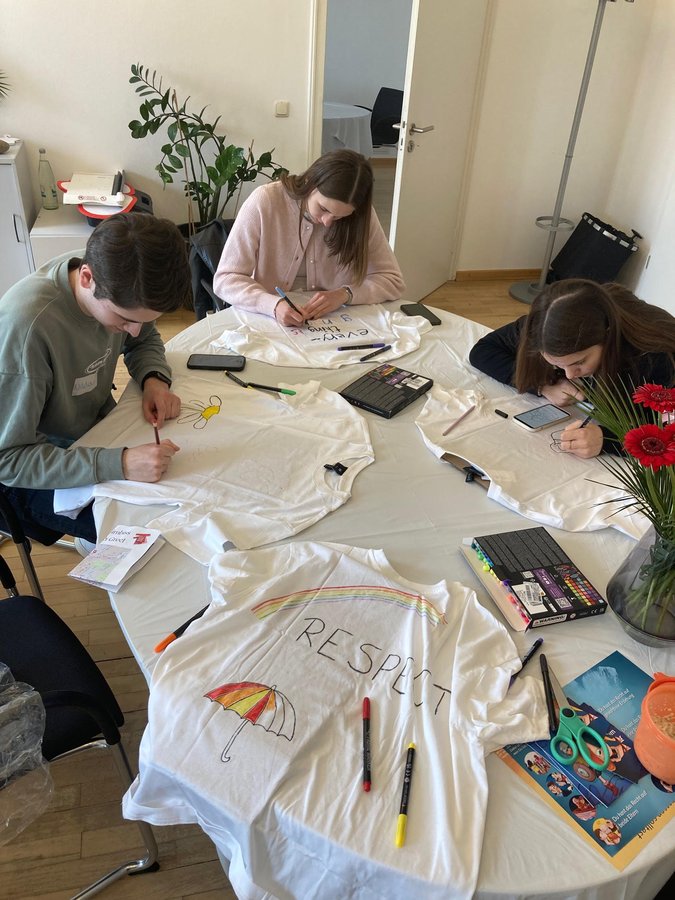
Throughout the week, local youth visited the exhibition. Afterward, the boys and girls designed their own T-shirts while reflecting on safety during childhood. “Yesterday a group of 12th-grade students came to visit us and also joined in creating their own T-shirts. The young people’s reactions were positive, and their impressions of the installation provided a good starting point for conversation,” says Dr. Zimmer.

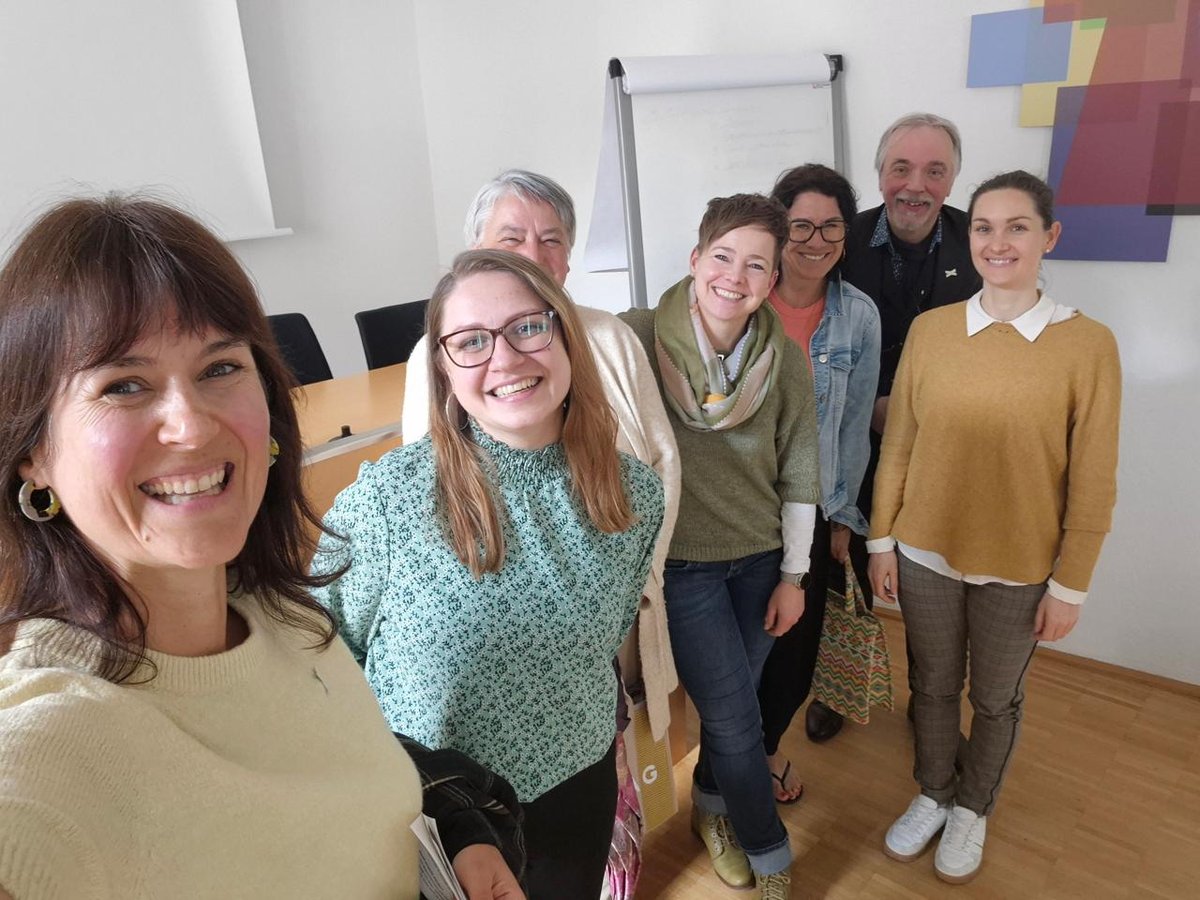
The trip was not limited to the exhibition. Ivanka Rudakevych met with students from the Trier Faculty of Theology and spoke about how to discuss safeguarding (measures to protect children—Ed.) in a wartime context and how to use art to avoid re-traumatization. She also met with specialists from Catholic institutions in the Diocese of Trier who work in the field of violence prevention. Her German colleagues were impressed by how the Ukrainian Greek Catholic Church integrates child safety principles even in the context of the humanitarian challenges of war.

The installation was part of a broader international project titled “SAFEGUARDING. Child’s safety in the church environment,” and it was here that closer cooperation began with the Renovabis, which, following the exhibition in Berlin, supported the show in Trier. It has already sent a request to host the exhibition in other dioceses in Germany.