The UCU Child Dignity Center’s International Project Presented in Slovenia
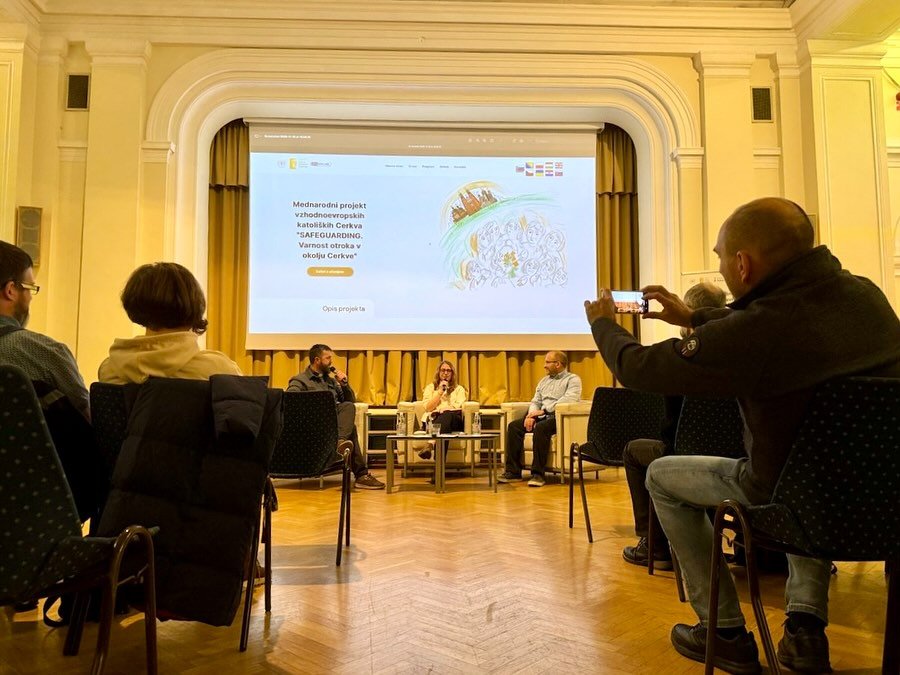
The presentation of the project “Safeguarding: Child Safety in Church Environments” took place in Ljubljana on November 18, on the World Day for the Prevention and Healing of Sexual Exploitation, Violence, and Abuse Against Children. The project’s reach is expanding — after Ukraine, Poland, Slovakia, and Germany, Slovenia became the fifth country where the UCU Child Dignity Center team presented it.

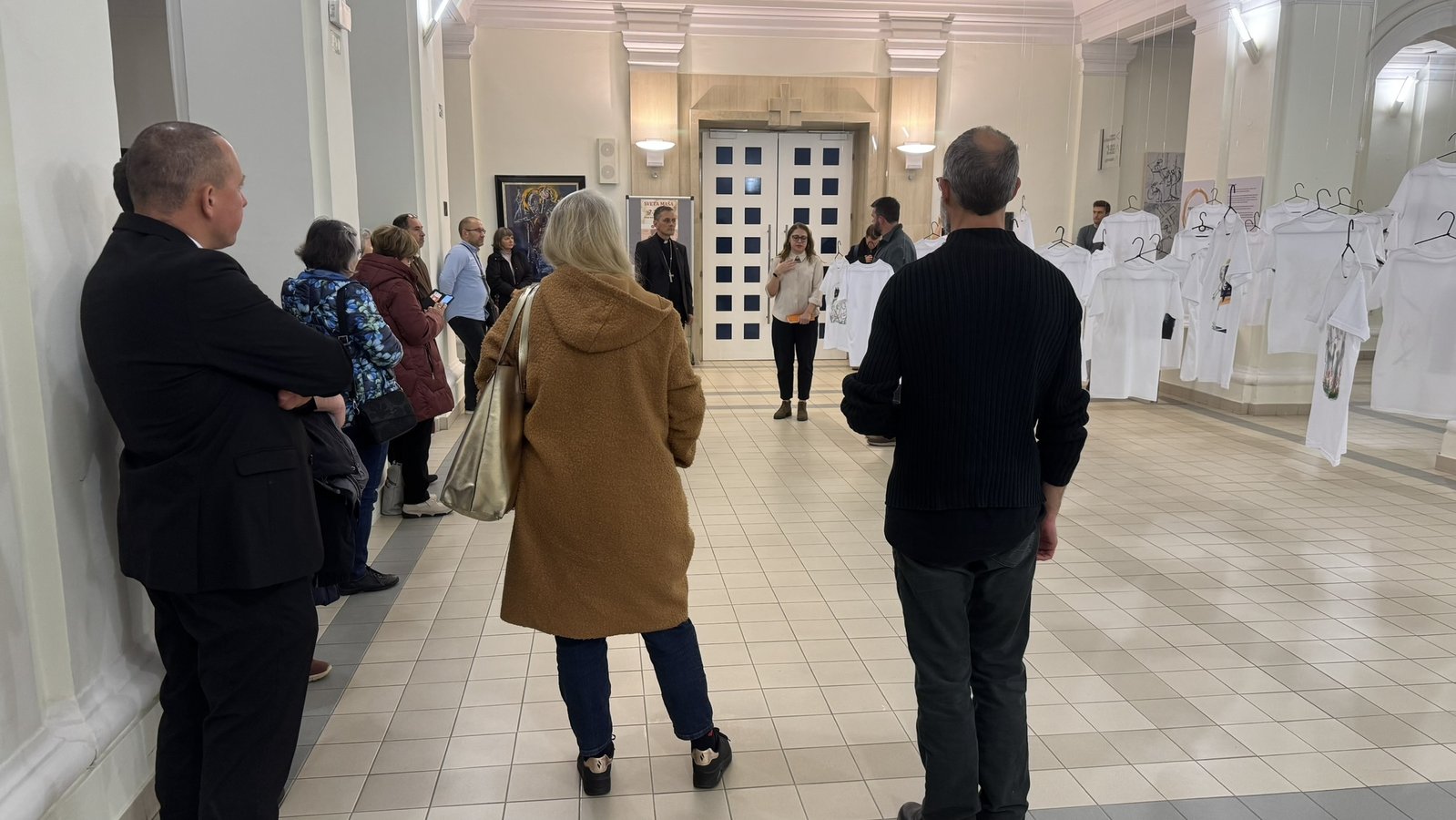
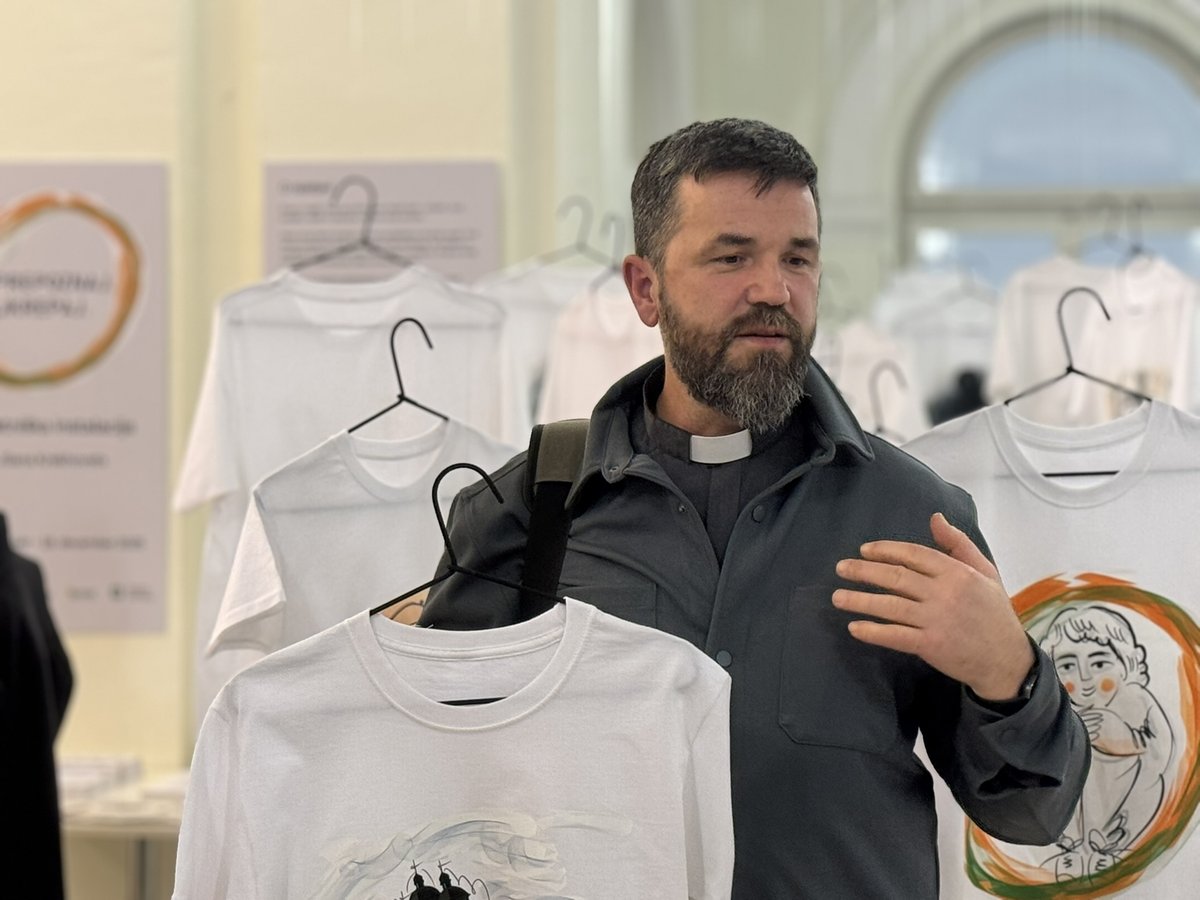
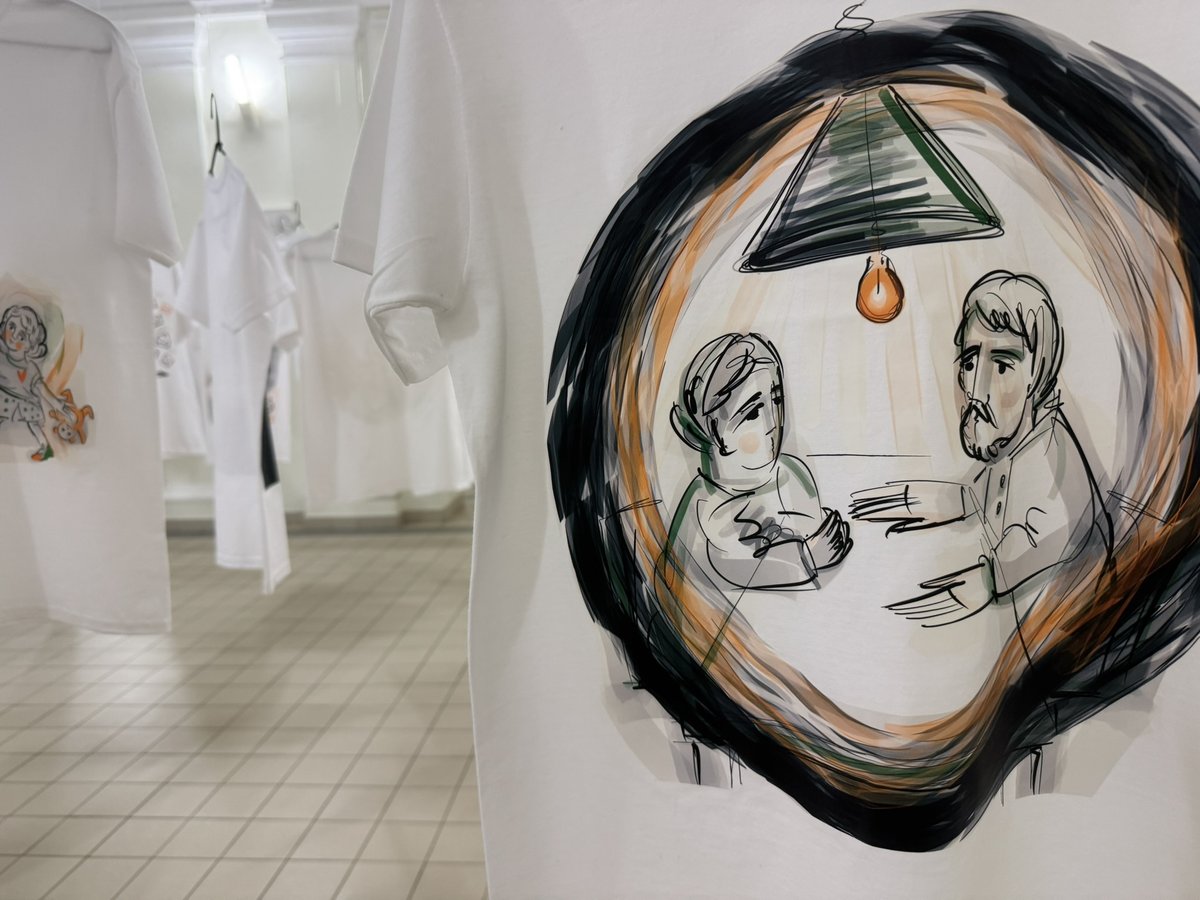
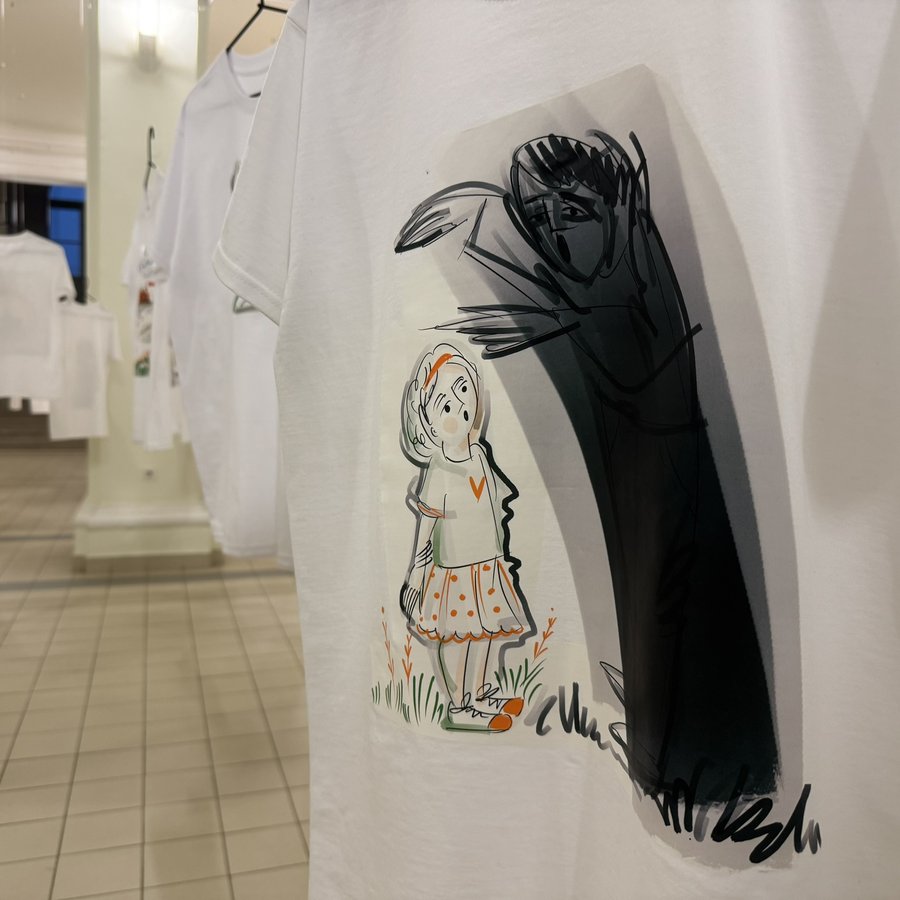
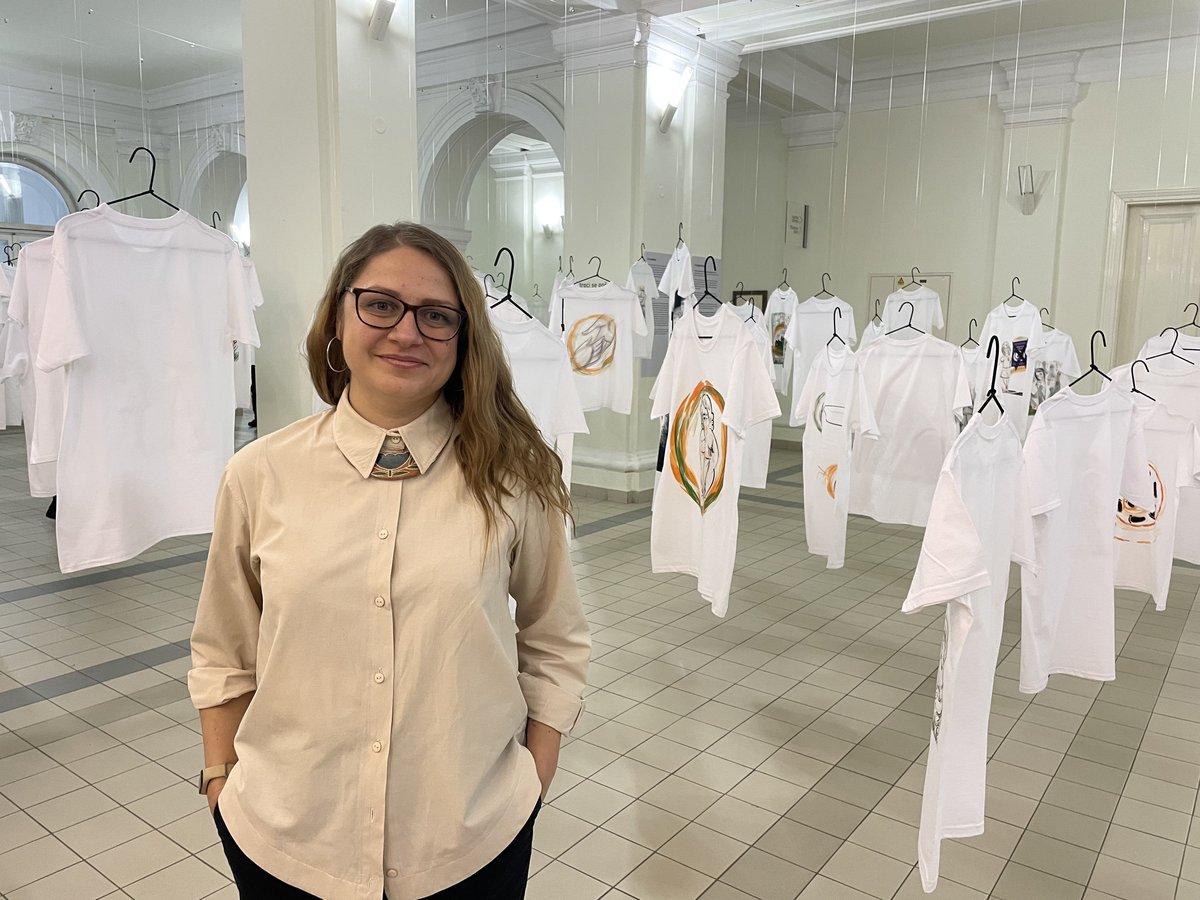
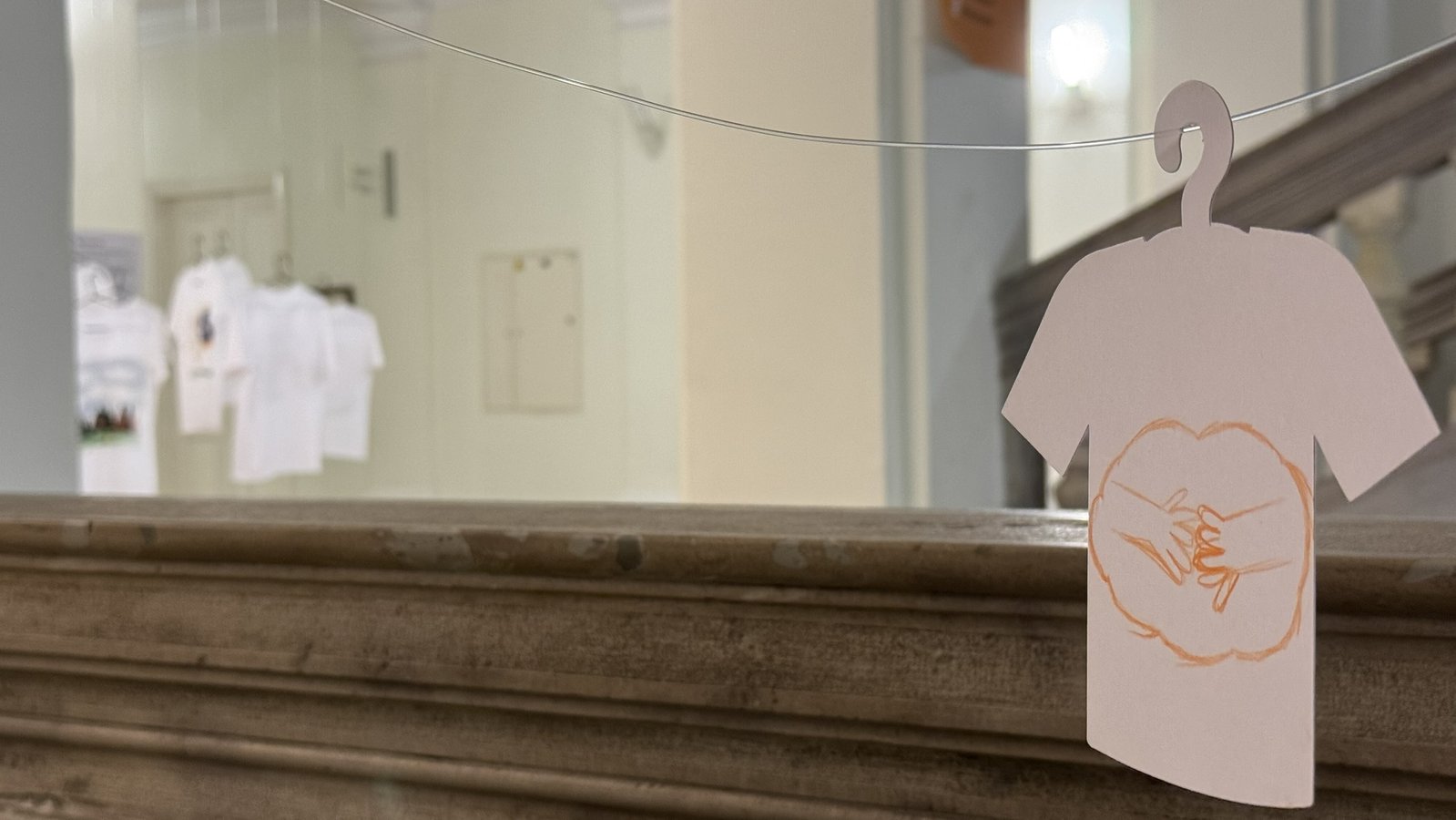
The project includes the online course “Safeguarding: Child Safety in Church Environments” and the exhibition “Recognize. Respond,” created based on illustrations by Ukrainian artist and iconographer Uliana Krekhovets. Thanks to collaboration with the Violence Prevention Group of the Slovenian Bishops’ Conference and the Integrum Institute, the course materials and exhibition are also available in Slovenian. They are designed to help local clergy and laypeople holding Church offices recognize and prevent violence against children within Church settings.
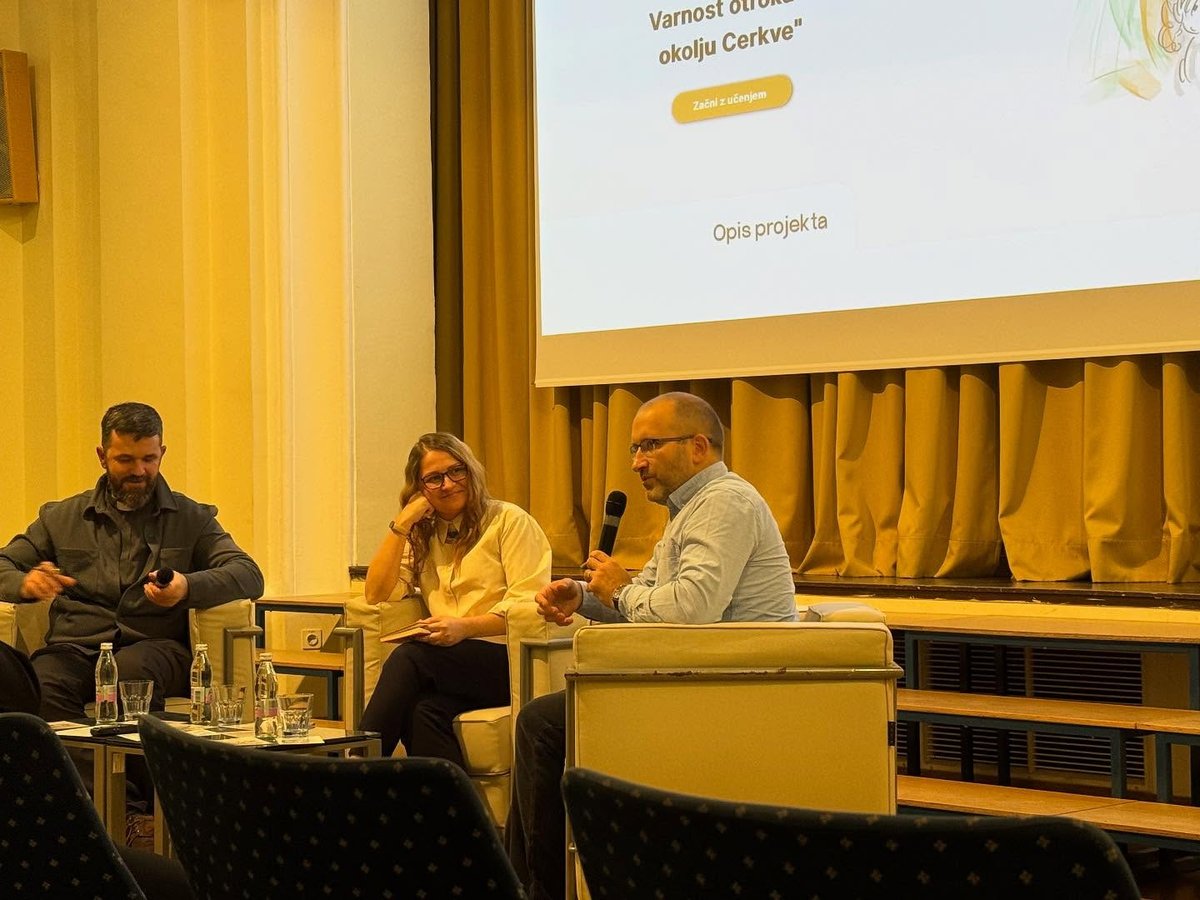
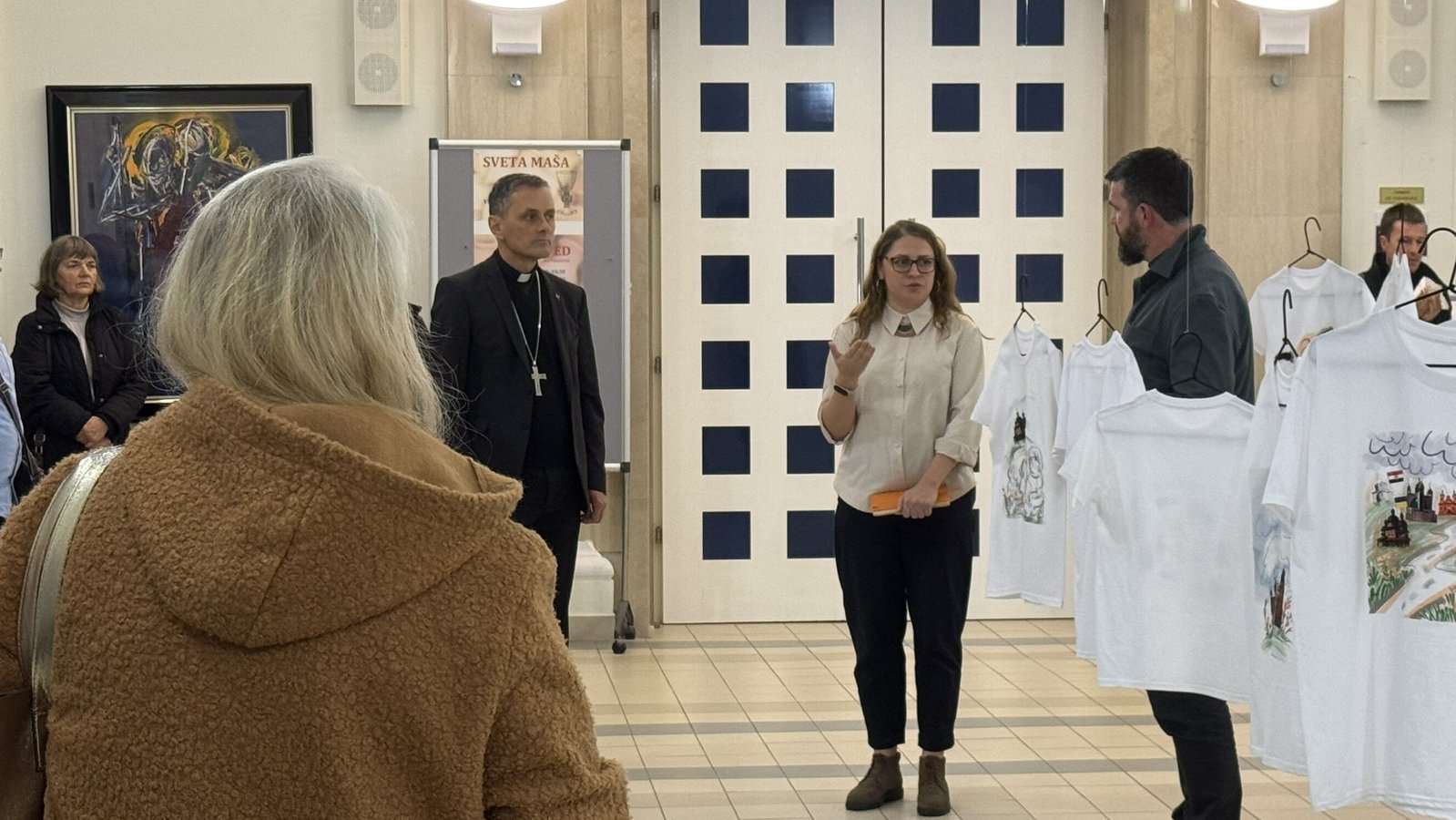
The Ljubljana presentation was attended by Ivanka Rudakevych, Head of the “Church” direction at the UCU Child Dignity Center; Fr. Tomas Mikus, SJ, member of the Prevention Group of the Commission for the Protection of Minors of the Slovenian Bishops’ Conference; and Venyamin Tomazic, Director of the Integrum Institute.

Venyamin Tomazic translated the online course into Slovenian. He shared that the course provides an opportunity to discuss the prevention of violence against children in the Slovenian context, where speaking on such topics can be challenging.
“The course is suitable for those looking for more than just basic information,” emphasizes Venyamin Tomazic. “For example, if people hesitate about whether it is appropriate to report abuse, or if they are looking for who in Slovenia is responsible for which area, and where to turn for help.”
Fr. Tomas Mikus also added, “I hope that taking this course will gradually become mandatory for everyone involved in pastoral work in the Church.”

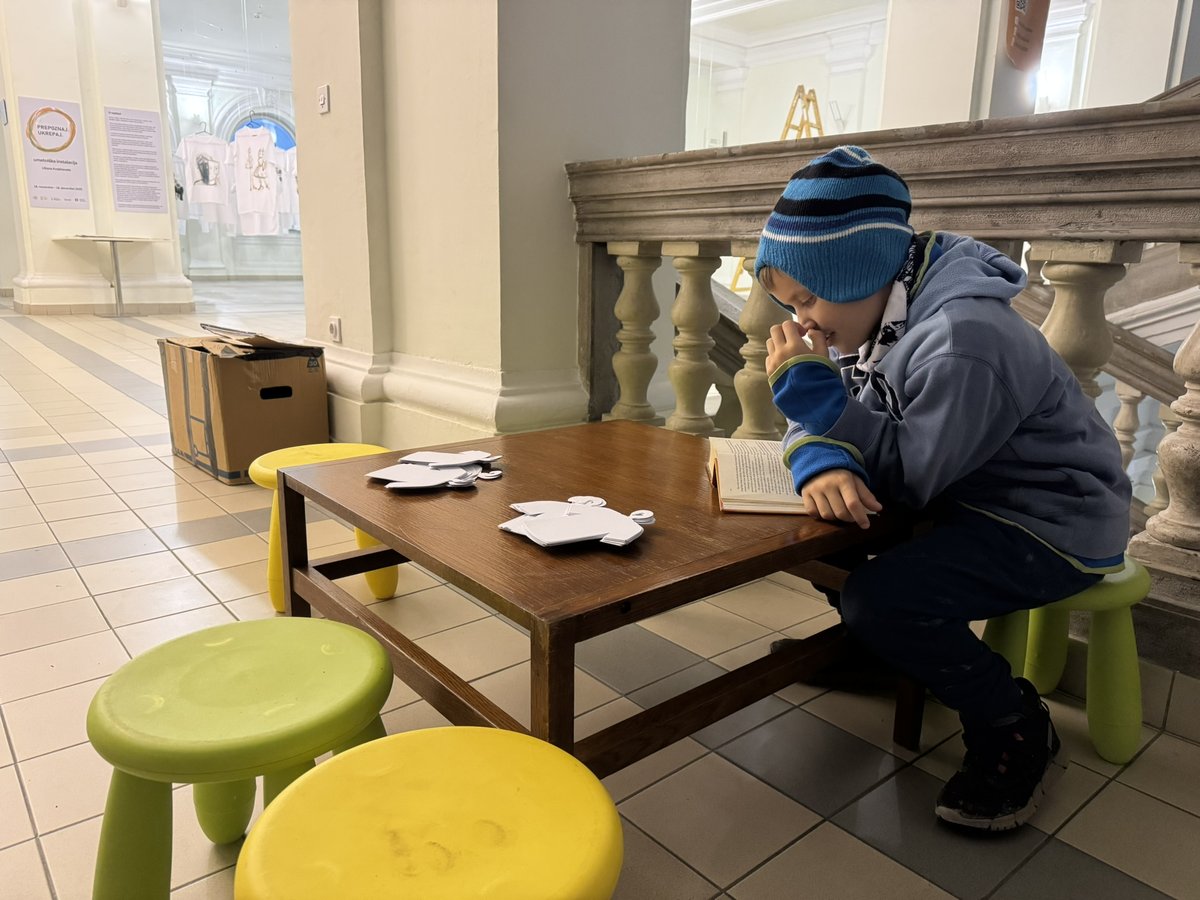
The presentation of the course was followed by the opening of the exhibition-installation “Recognize. Respond” at the St. Stanislaus Institute and Catholic Diocesan Gymnasium.
“When our prevention group was considering where to place the ‘Recognize. Respond’ exhibition in Slovenia, we realized that the location was very important,” explained Fr. Tomas. “The Institute is not just an educational institution. It is a place that combines education, culture, spirituality, and community. Students, teachers, parents, educators, and various Catholic groups come together here. It is an environment where young people feel at home, where friendships are formed, values are developed, and adults carry significant responsibility for their path. This space naturally brings together education, pastoral work, and prevention. These are three dimensions that are crucial when we want to start a dialogue about dignity, vulnerability, and adult responsibility.”

Fr. Tomas also hopes that the installation will help both young people and adults speak more openly about the painful realities of violence and change their perception of safety:
“The exhibition was not created to reveal sensational stories or to assign blame. It serves as a space for safe confrontation, an invitation to reflection, and an encouragement for personal and communal responsibility,” he explained.


A separate topic of the meeting was the Ukrainian experience in implementing a child protection system during the full-scale war, using an artistic approach to highlight the issue.
“For us in Ukraine, this approach has been extremely important, as we live under conditions of war, constant stress, and significant fatigue and exhaustion. Art helps us speak about difficult topics, such as violence. These are subjects where it is often hard to find the right words to reach people, make them more sensitive, and at the same time avoid causing trauma. Art goes beyond words: it can convey a deeper understanding, the feeling of the message we want to share, and help people receive it without rejecting it,” emphasized Ivanka Rudakevych, project manager at the Child Dignity Center.

The event in Ljubljana marked another step in creating a safe environment for children in Eastern Europe. A shared history and similar challenges unite our countries, allowing us to more effectively overcome the culture of silence surrounding the issue of violence. Presenting the project to the Slovenian audience, Ivanka Rudakevych emphasized the importance of international solidarity, especially in the context of shared historical experience.
“The Catholic Church in Eastern Europe faces abuse issues similar to those in Western Europe or the USA. We also have our own expert experience in child protection. Work in our environments is often very challenging,” added Ivanka Rudakevych. “But when we speak with a common voice, we are stronger. Our Eastern European context is also unique — due to the experience of communist and socialist pasts, which unconsciously affects the ongoing silencing of abuse today. We address this topic from presentation to presentation, and I hope that over time we will be able to discuss it more deeply within a joint conference.”

The project presentation and exhibition opening took place with the participation of leaders of the Slovenian Catholic community. Among others, the event was attended by Anton Česen, Director of the St. Stanislaus Institute and Diocesan Classical Gymnasium, and Monsignor Andrej Saje, President of the Conference of Bishops of the Catholic Church in Slovenia, who gave opening remarks.
“Any violence, any attack on the human person is unacceptable… As a Church, we remain firmly committed to zero tolerance for any abuse,” emphasized Monsignor Andrej Saje.
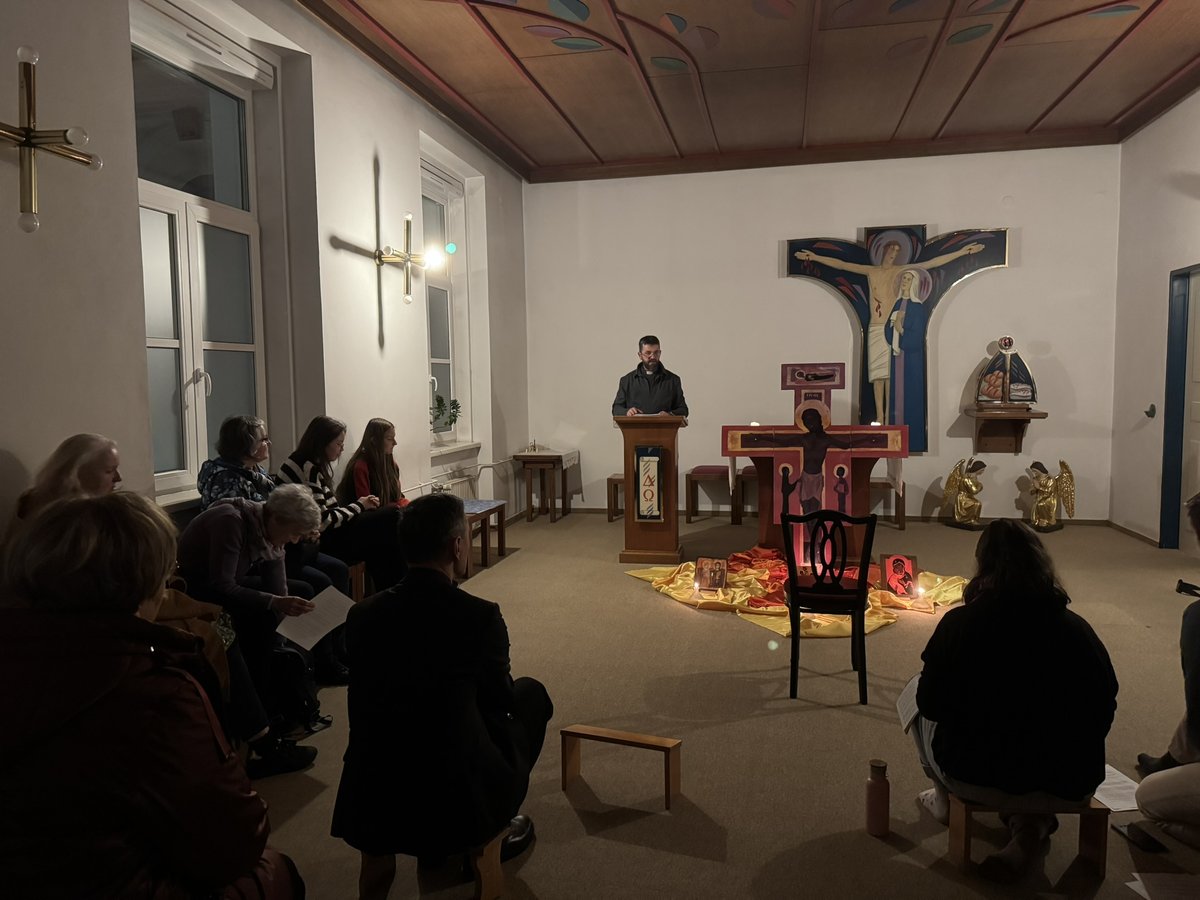
The evening concluded with a joint prayer around an empty chair, symbolizing all those who have suffered abuse in the Church and have left it.

The exhibition will run from November 18 to December 18, 2025, at the St. Stanislaus Institute, located at Štula 23, Zavod sv. Stanislava, from 8:00 a.m. to 8:00 p.m. Visitors will have the opportunity to participate in guided tours, lectures, and group discussions.


The article was prepared based on materials from Iskreni.net and Druzina.si.
Photo from the personal archive of Fr. Tomas Mikus.