This is important not only for the Church but also for society as a whole: how the Child Dignity Center’s safeguarding project was presented in Hungary
On February 20, a presentation of the project “Safeguarding. Child Safety in the Church Environment.” This was made possible through the collaboration of the UCU Center for Child Dignity and the “Human Dignity Strategy” initiative of Sapientia College of Theology, both of which work to prevent violence within the Catholic communities of their respective countries. Hungary became the seventh country to join the project.

The educational component of the project consists of an online course, while the artistic component is represented by the exhibition “Recognize. Respond.” The project and the exhibition were presented in the main hall of Sapientia Theological College, where future catechists and pastors are trained.
The project’s grand opening took place with the participation of János Székely, President of the Hungarian Catholic Bishops’ Conference; artist and iconographer Uliana Krekhovets, who created the illustrations; and representatives of the Center for the Dignity of the Child—Ivanna Rudakevych and Yuriy Shkola.
“Over 400 students preparing for catechetical and pastoral ministry have already had the opportunity to see the exhibition. It is particularly relevant to discuss child safety and protection from violence with this audience. While we were setting up the exhibition, faculty and students would stop by and ask what was going to be on display. One young man even shared his own experience of a difficult childhood. In other words, it wasn’t just about providing information; it was about starting a dialogue. I also know that for the local Catholic Church, the opening of the exhibition was an important step. “This is precisely the moment when academic institutions, church communities, and organizations working in the field of child protection can support and strengthen one another,” says Ivanna Rudakevych, head of the Center for Child Dignity’s church outreach program and project manager.

Fr. Benedek Dobshay, a representative of the “Human Dignity Strategy” initiative and co-organizer of the event, emphasized the significance of the event for his country: “The theme addressed by this exhibition is extremely important not only for the Church but also for society as a whole. We work in many institutions—schools, social centers, hospitals, and pastoral facilities—where we encounter children every day. As those responsible for these environments, we must recognize their vulnerability and support them.”

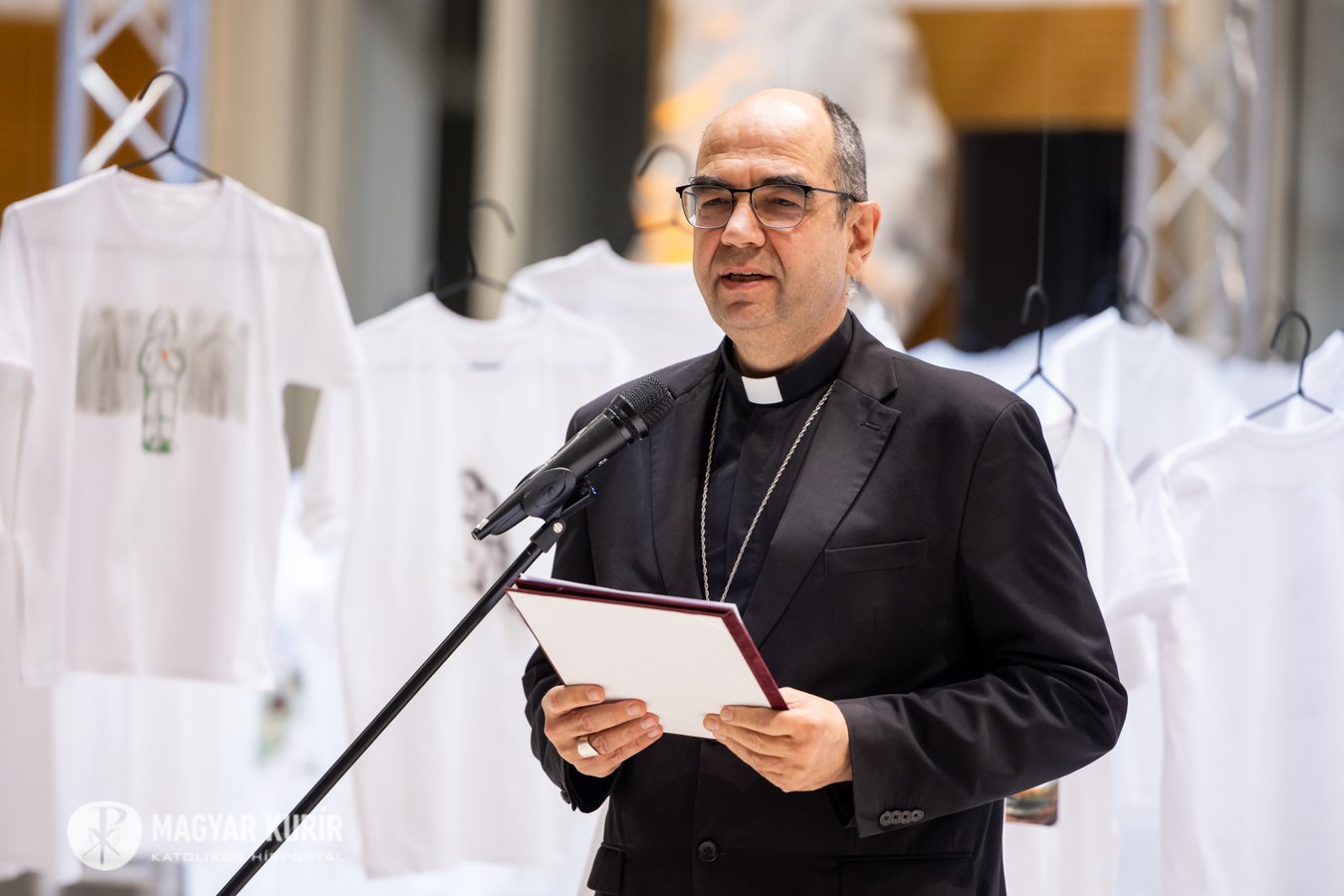
A gesture of solidarity during the exhibition’s opening was Bishop János Székely’s greeting in Ukrainian. In his address, he quoted from the Gospel of Matthew (18:6–7): “But whoever causes one of these little ones who believe in Me to stumble, it would be better for him to have a millstone hung around his neck and be drowned in the depths of the sea,” emphasizing the vulnerability and defenselessness of children, as well as their trust and openness toward adults. The bishop noted that not only physical violence, but also abuse of power and humiliation inflict deep wounds on a child and hinder their development.
“On behalf of the perpetrators, priests, catechists, and those church leaders who did not do everything possible to prevent these atrocities, I ask the victims for forgiveness,” said Bishop János Székely on behalf of the Church.
The “Safeguarding. Child Safety in the Church Environment” is flexible and constantly adapts to the local context of each country. “The trip to Budapest showed once again that every city receives this exhibition in its own way—as an installation, a performance, and a way to talk about complex topics through art. Along with openness, we also encounter a certain wariness each time, especially when it comes to experiences of violence, trauma, and responsibility,” says project illustrator Ulyana Krekhovets. In her view, art allows us to explore the topic of child safety in a way that does not provoke resistance to this complex issue.

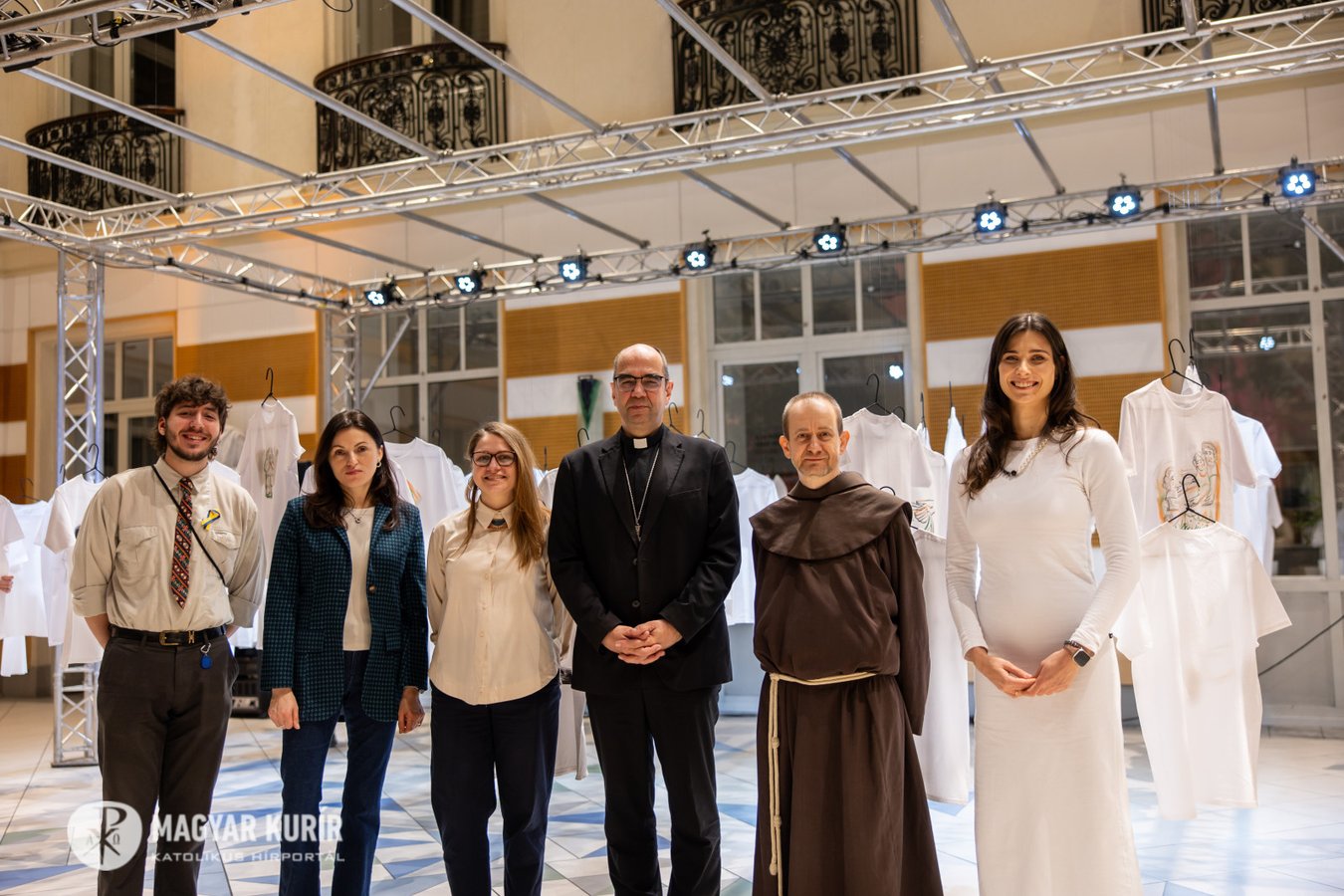
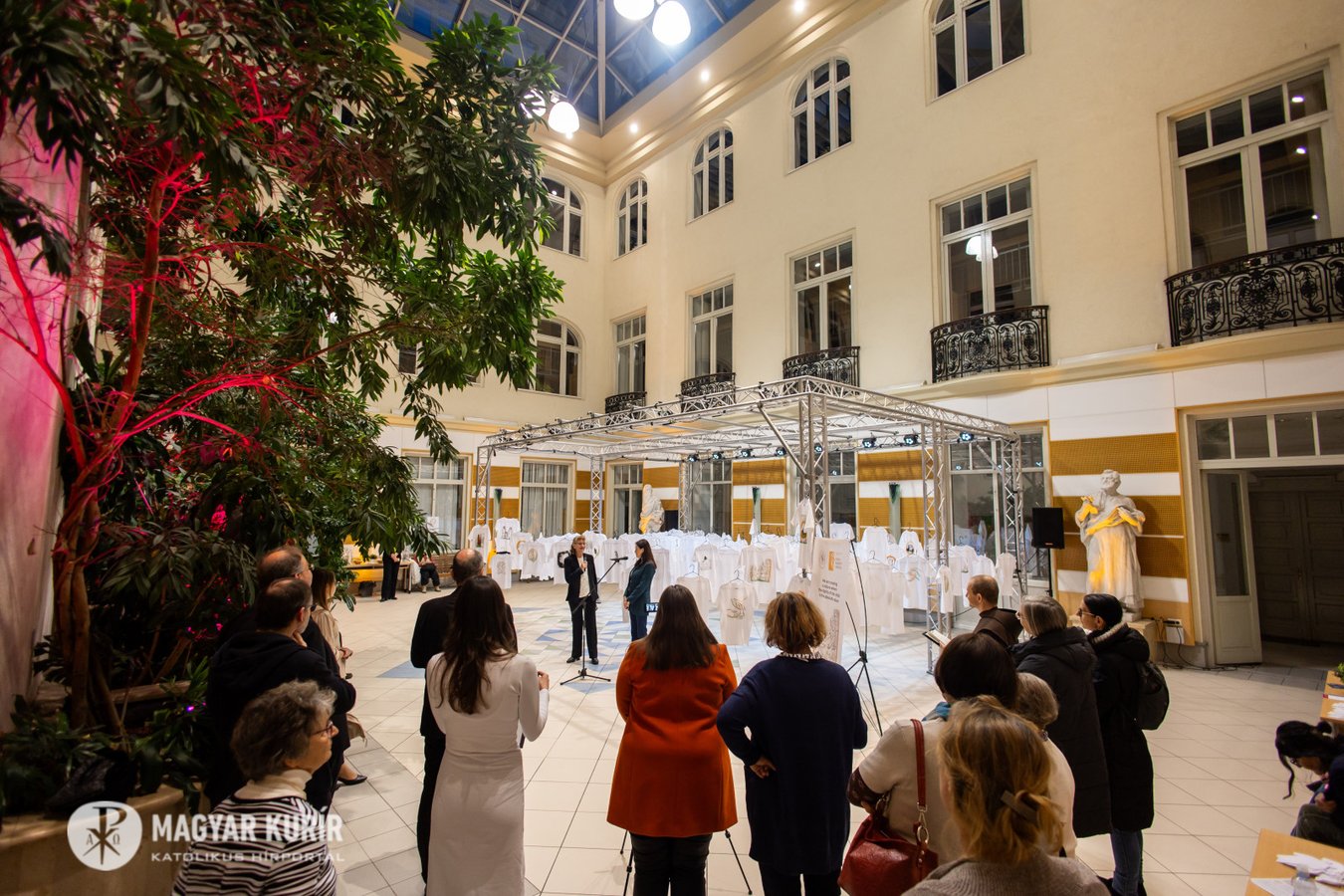
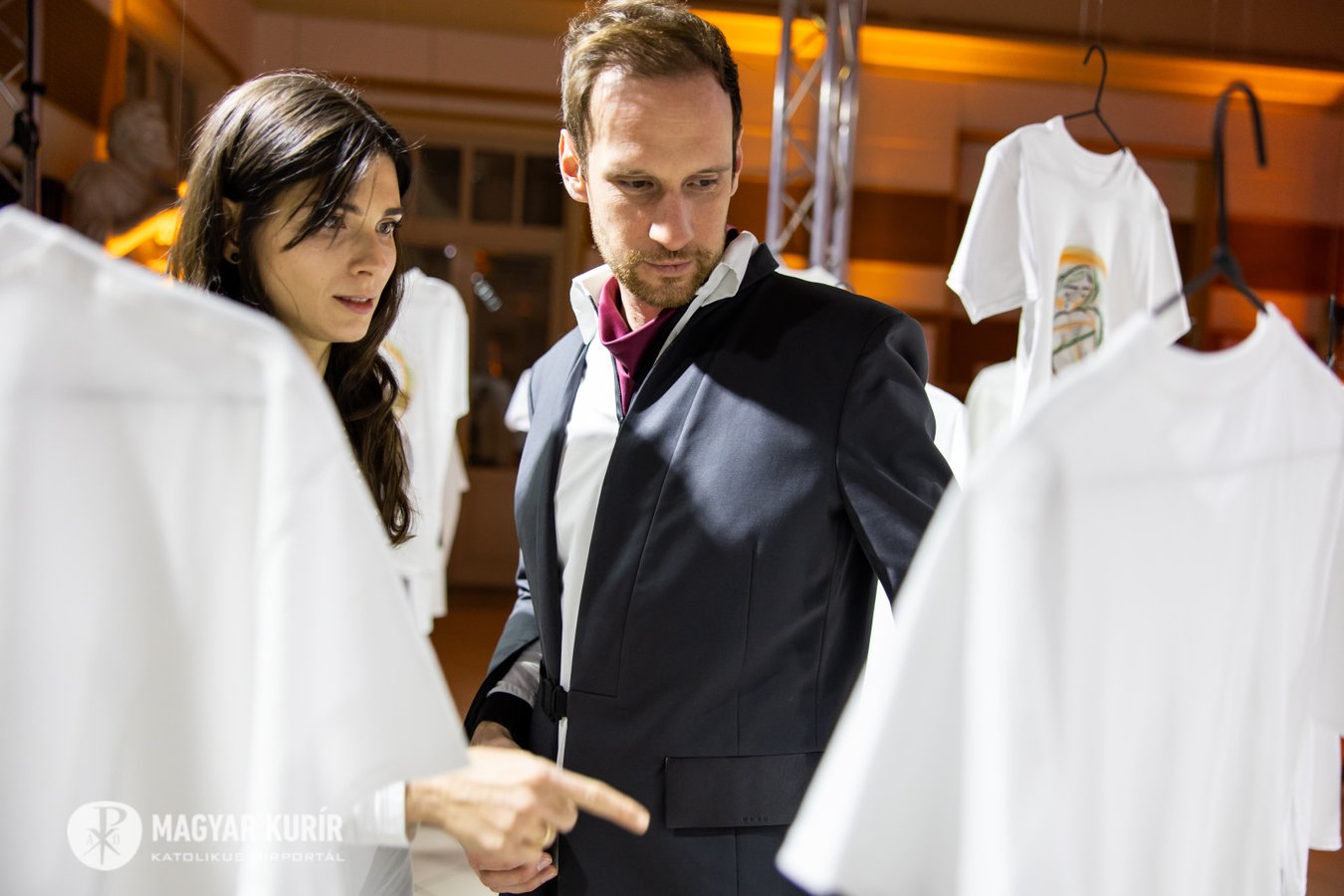
“This initiative highlights the suffering of children who truly need the attention and care of adults,” said Marta Benyus, a consultant for the Pontifical Commission for the Protection of Minors, sharing her impressions of the exhibition. You can learn more about the behind-the-scenes aspects of the project and the participants’ impressions from the video blog about the team’s visit to Budapest:
The collaboration between the UCU Center for Child Dignity and Hungary began with the participation of Sister Judith Sentes, who is responsible for child safety in Catholic education. She helped create the Hungarian version of the online course “Safeguarding: Child Safety in the Church Environment,” making it accessible to local church communities. You can access the course at: https://www.ucu-edu.online/safeguarding-hu
Photo: Attila Lambert, Magyar Kurír
Video: Yuriy Shkola