A dialogue on complex issues: the "Recognize. React.” exhibition in Ternopil
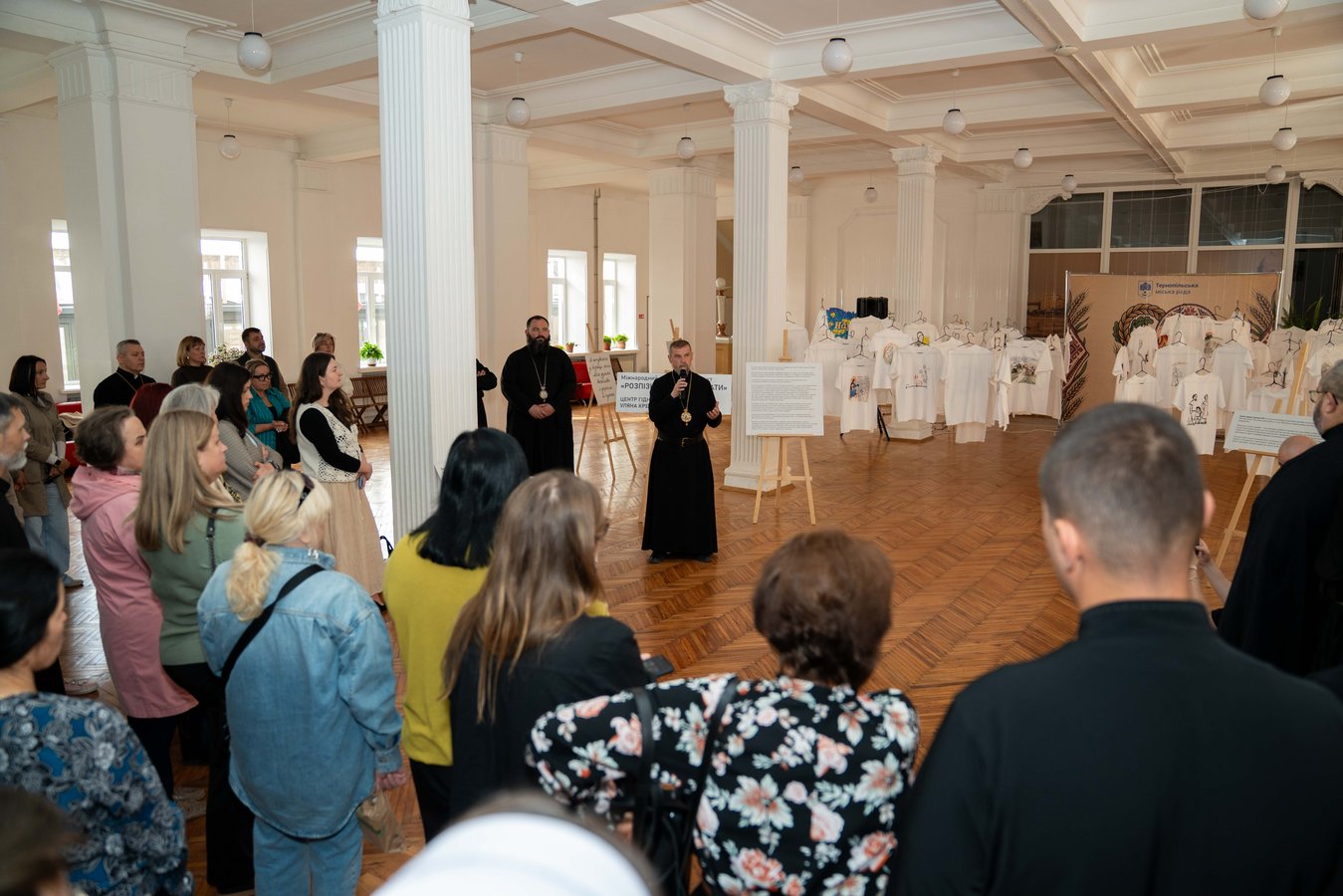
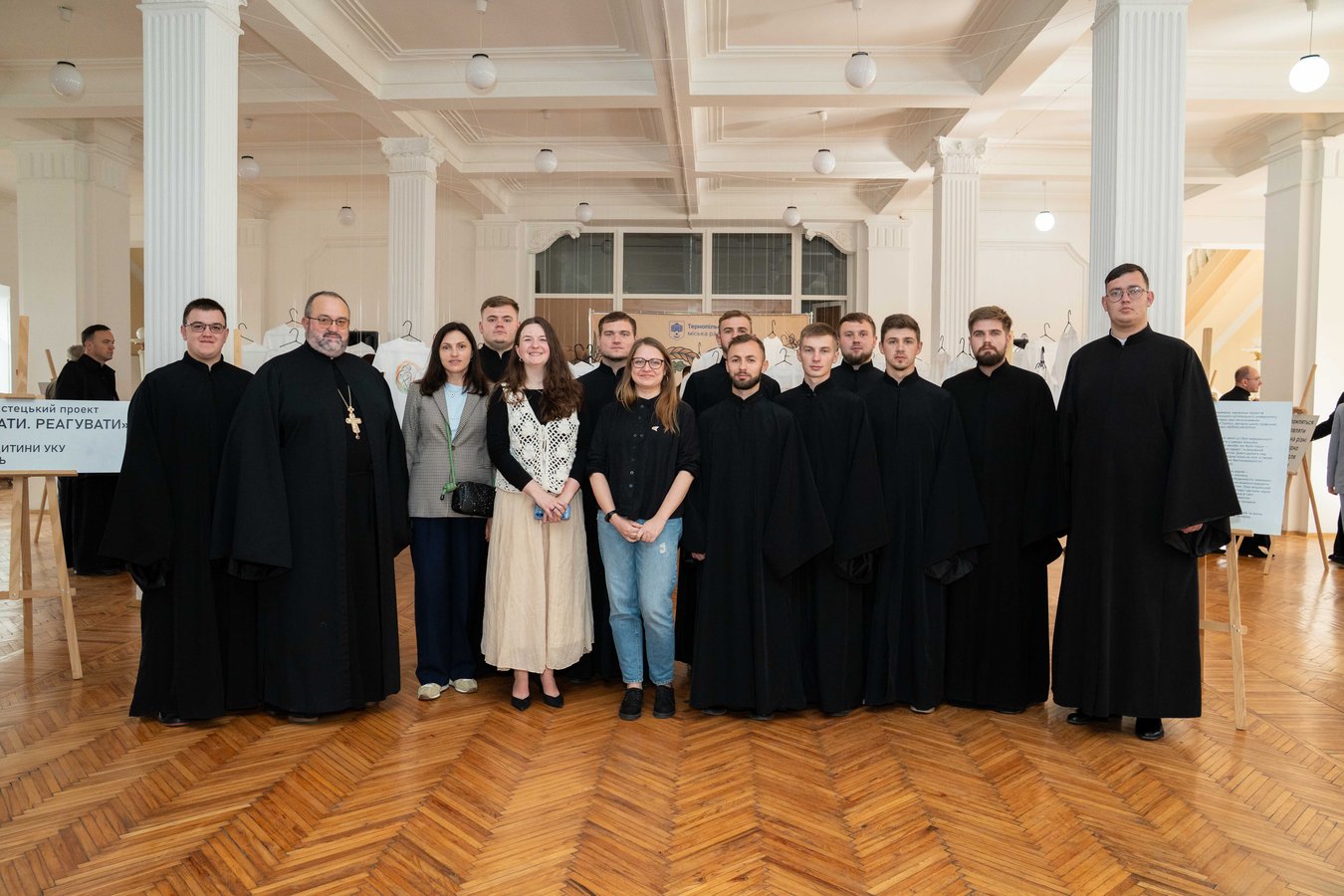
The travelling exhibition "Recognize. React.”, organised by the UCU Child Dignity Centre, has already been seen in seven European countries. On 30 September, it was presented at the Ukrainian House in Ternopil. This is the third city in Ukraine to host the exhibition, which uses art to address complex issues of violence.

The exhibition forms part of the international project ‘"SAFEGUARDING. Child Safety in the Church Environment" by the UCU Child Dignity Centre, which aims to draw public attention to issues of child safety and the importance of protecting children from violence.
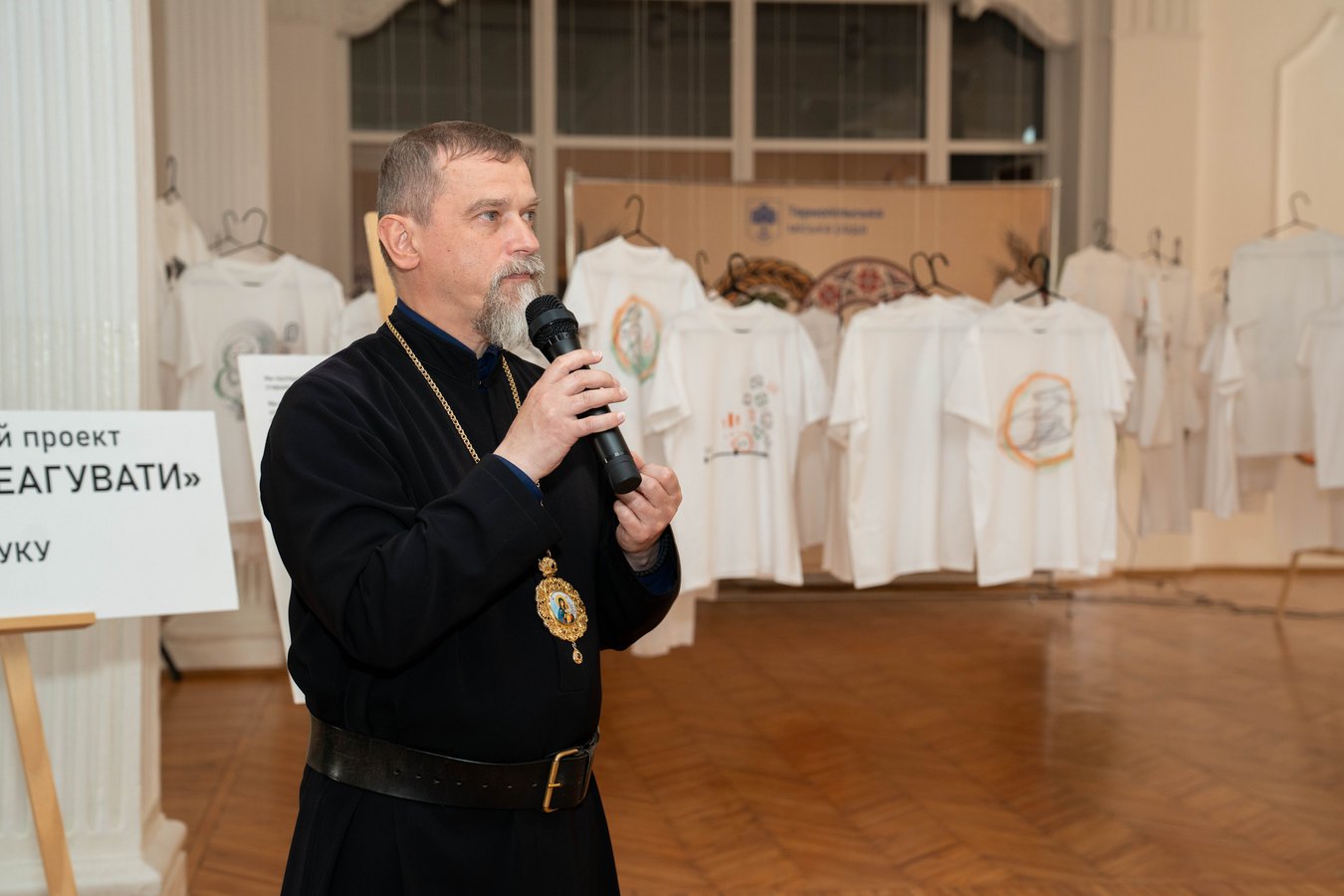
His Eminence Theodore Martyniuk, Archbishop and Metropolitan of Ternopil-Zboriv of the Ukrainian Greek Catholic Church, opened the exhibition with a prayer. In his opening remarks, he emphasised that this project is very special, as it uses art to address extremely difficult and complex issues.
‘We adults want children to have a happy childhood, but this is not always the case. This exhibition aims to halt and prevent violence and harm against children, and to delve into issues that are often hushed up, which may be taboo, and which we are ashamed of. But this is a highly topical issue, especially during wartime, when the suffering and pain of children are perhaps the greatest among the people of Ukraine. A happy childhood is the central theme of this exhibition,” emphasised His Grace.

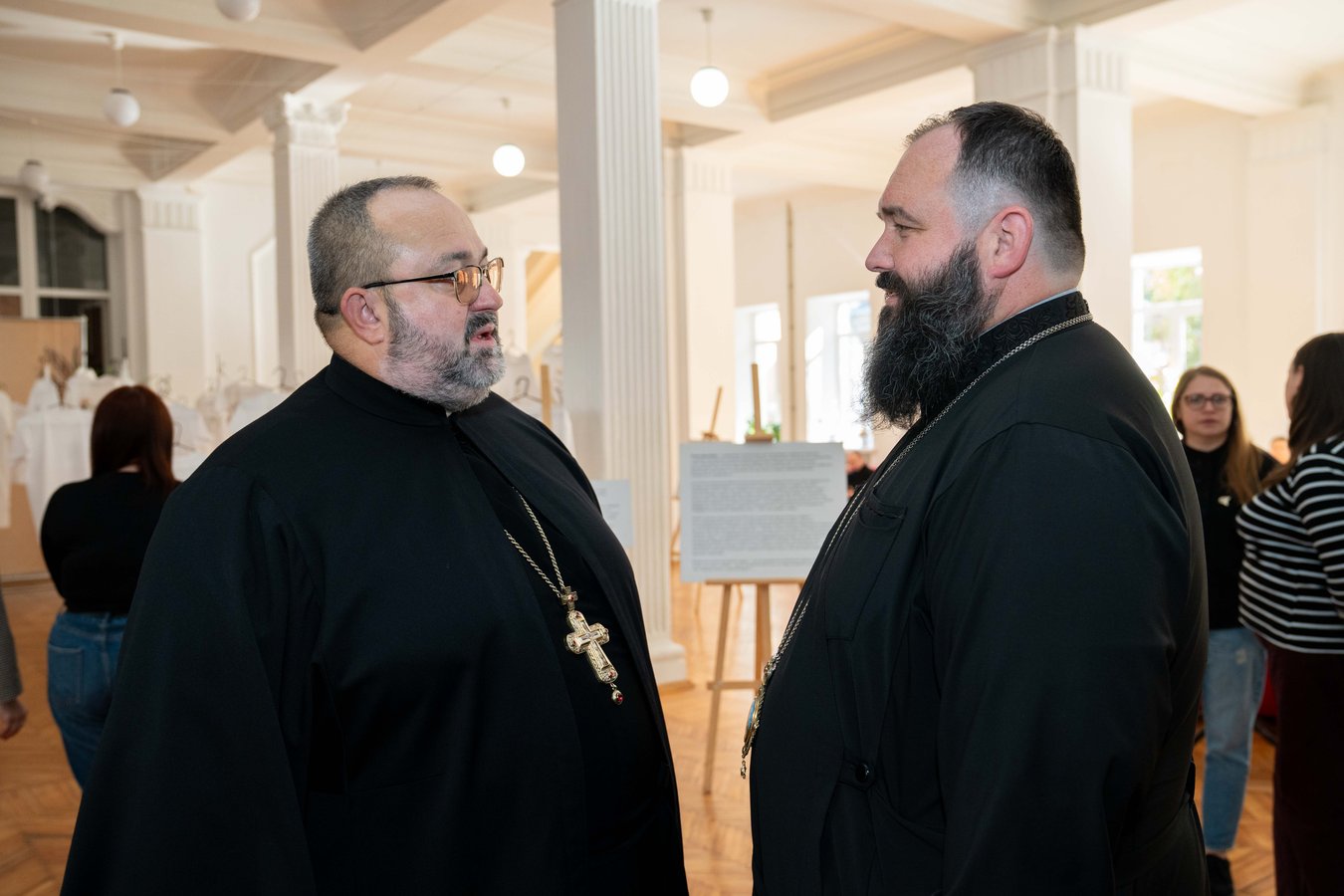
Bishop Petro Loza of the Sokal-Zhovkva Diocese, head of the Ukrainian Greek Catholic Church’s Bureau for the Protection of Minors and Vulnerable Persons, thanked the UCU Centre for the Dignity of the Child for its work.
“We all want to ensure that no one harms children. We must do everything we can to ensure that the environment in which children and young people find themselves is safe. This is a great responsibility for adults,” said Bishop Petro Loza.


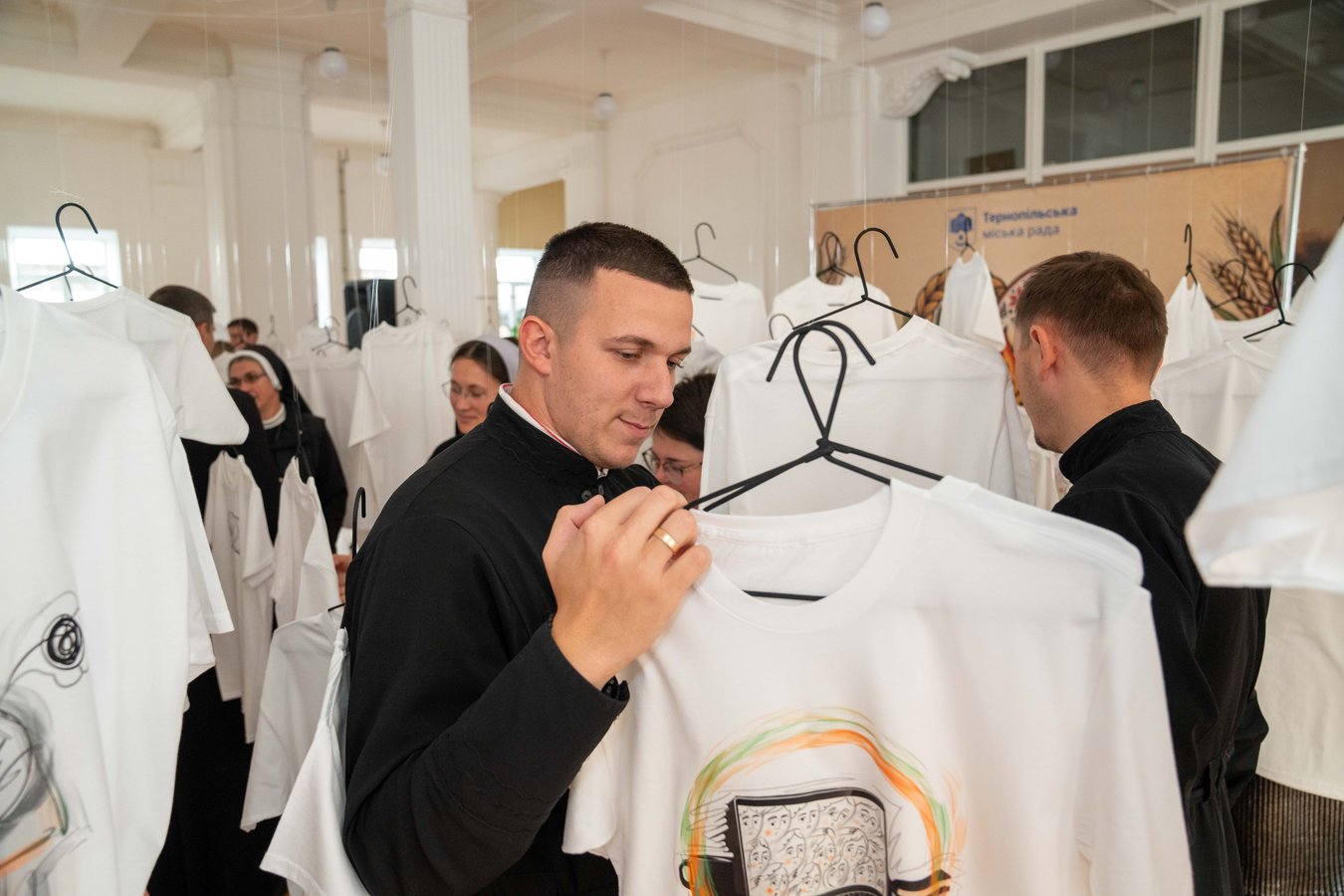
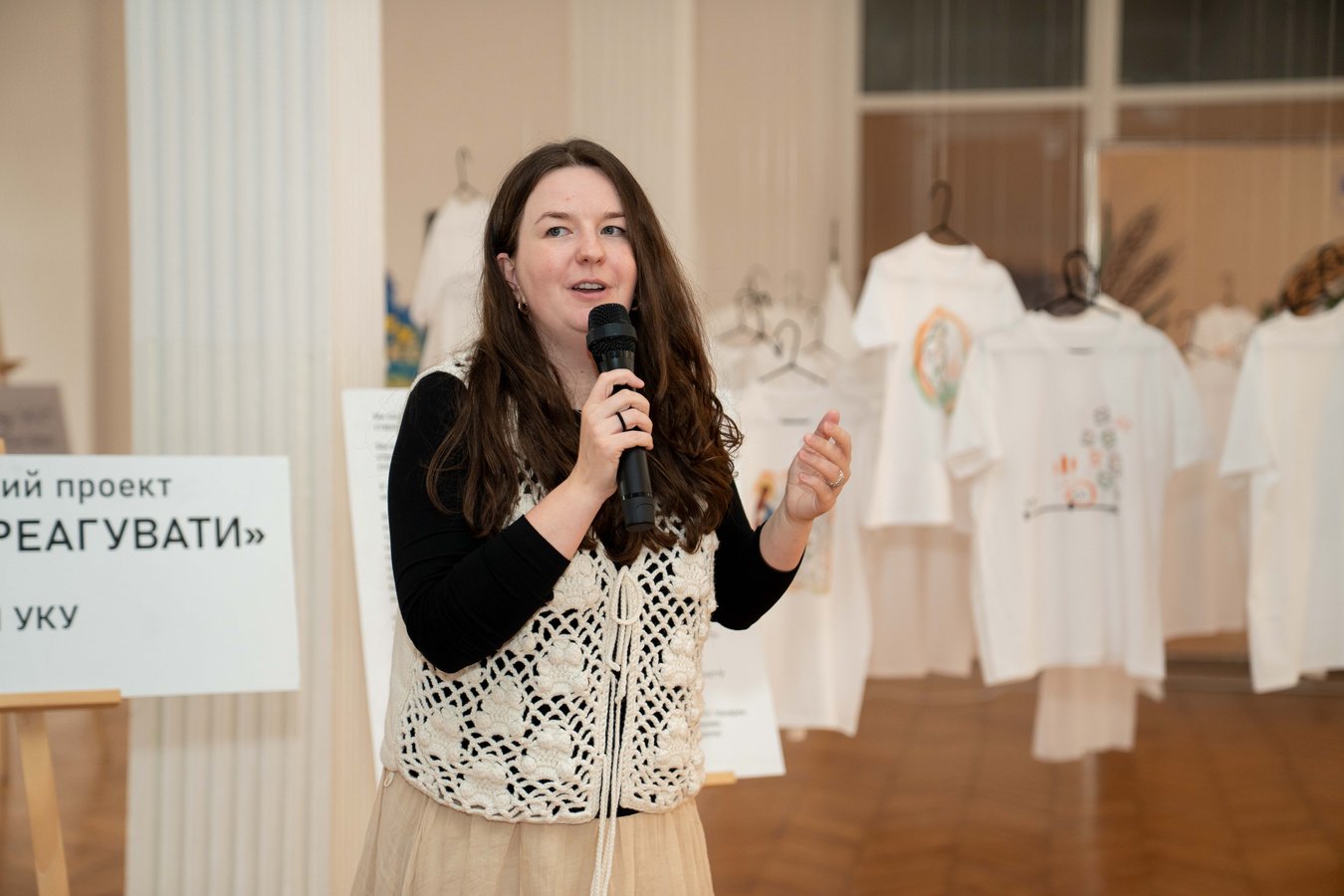
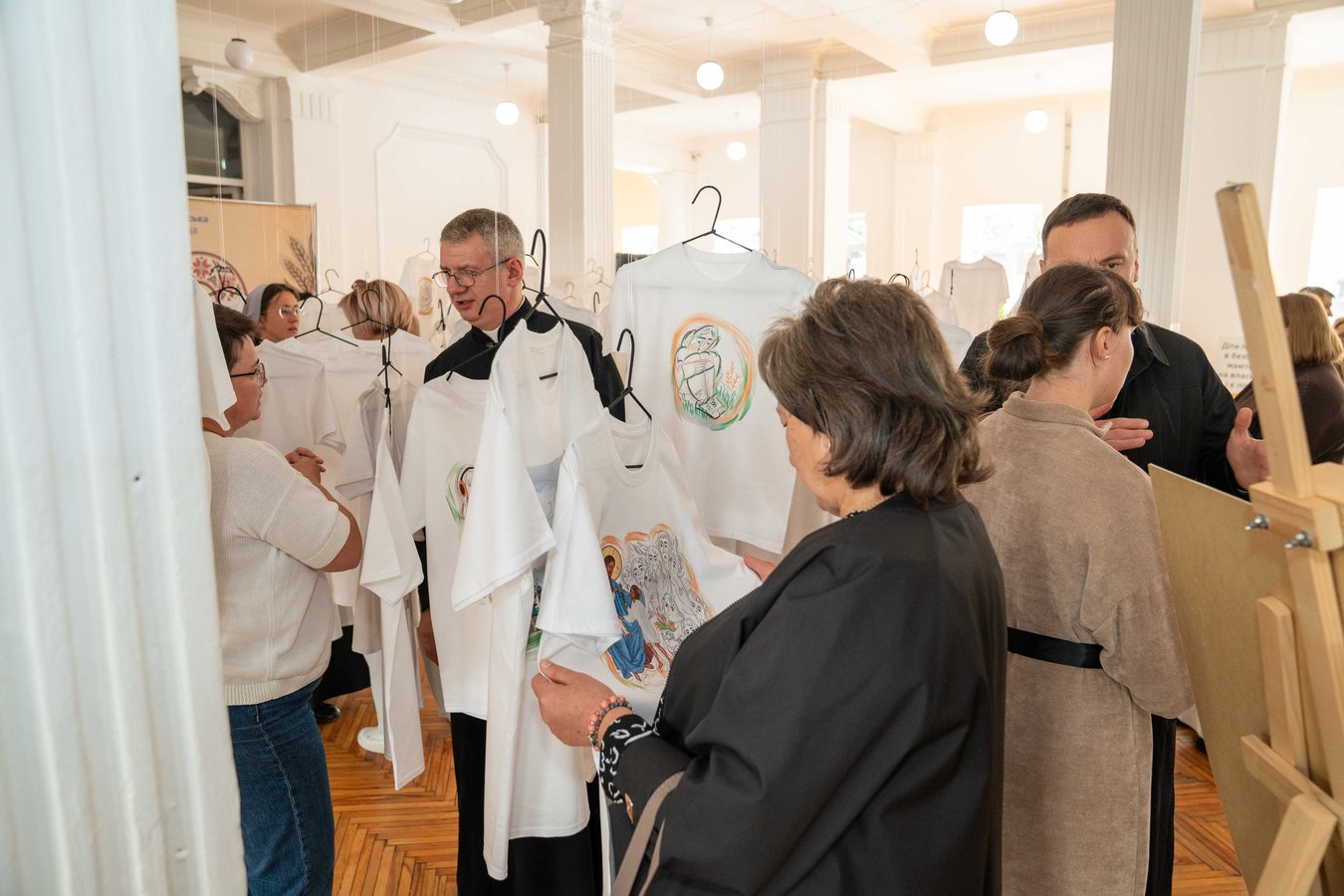
Khrystyna Shabat, head of the UCU Child Dignity Centre, came up with the idea for the project. She explained that it began with an online course entitled "SAFEGUARDING. Child Safety in the Church Environment", for which the artist Ulyana Krekhovets created the illustrations. The illustrations turned out so well that they decided to transfer them onto T-shirts and create this exhibition. The T-shirts, arranged in a chaotic manner, symbolise a crowd of strangers.
“Each of us has our own story. Every day we walk through the city, and there are many people around us. They behave in different ways. We never know the reason behind such behaviour, what has happened to them, or what is going on inside them. It is very important for us – when we talk about protection against violence and the prevention of violence – to recognise people who need help, to stop and offer them support,” emphasised Khrystyna Shabat.

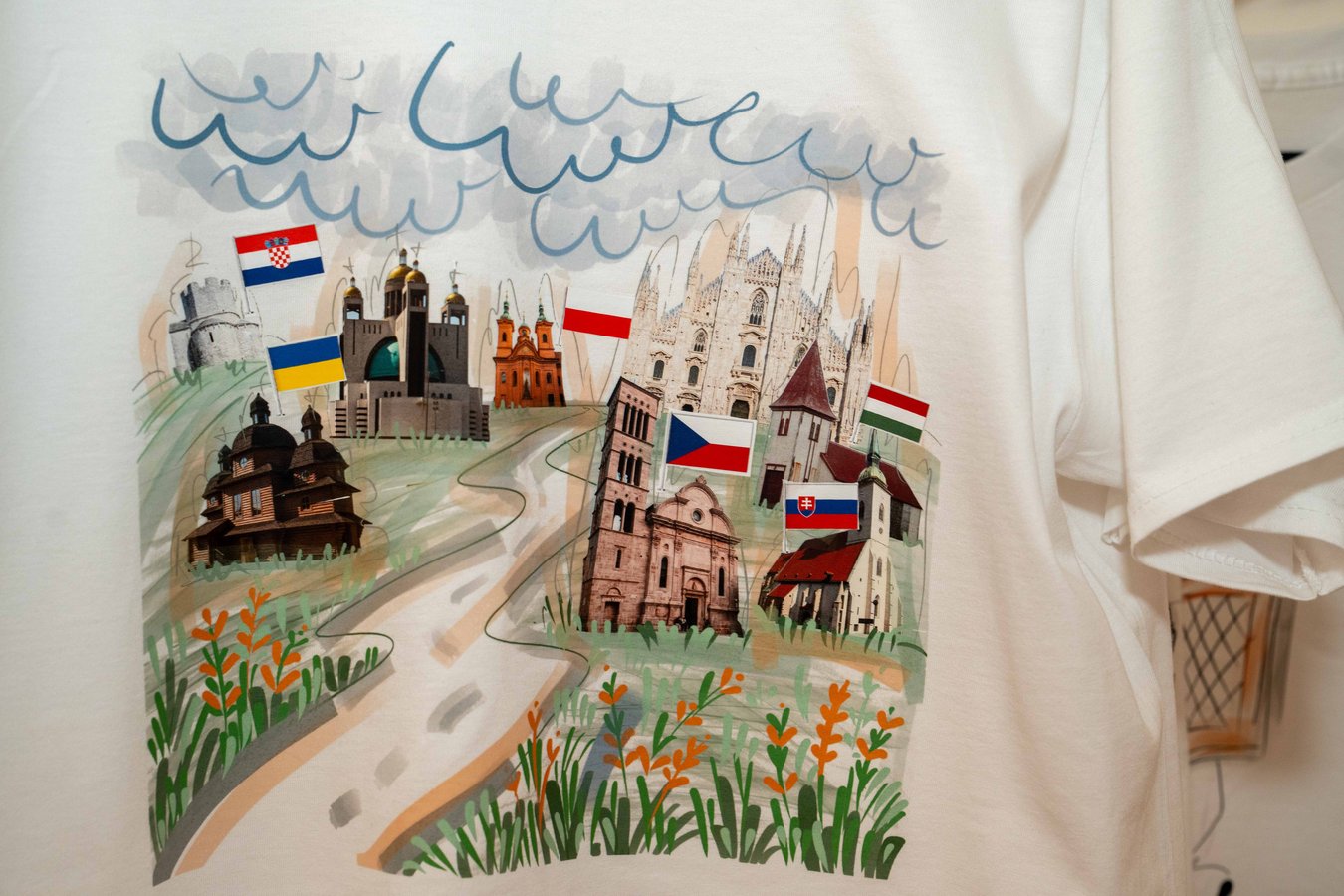
She added that the exhibition has been seen not only in Ukraine, but also in Poland, the Czech Republic, Slovakia, Hungary, Slovenia and Germany. The project plays an important role in church diplomacy. This is very valuable.


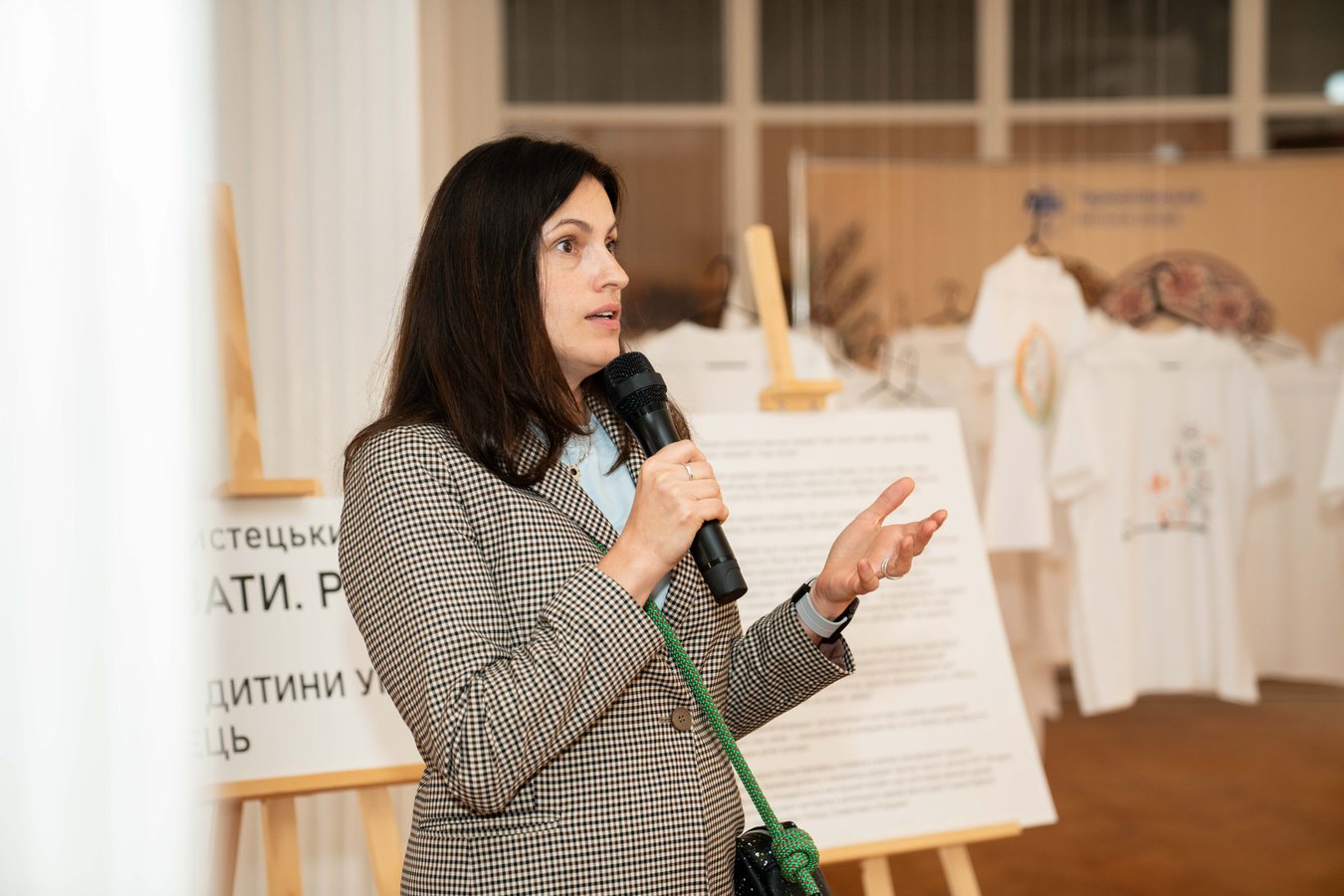
“The uniqueness of this project also lies in the fact that this artwork is not about talent or the beauty of art. It is a dialogue, a conversation through emotion. That is why the exhibition is so vivid and so striking,” noted Ulyana Krekhovets. “I am delighted that art is becoming such a dialogue and a language through which complex topics can be addressed.”
She explained why, together with the team from the UCU Centre for the Dignity of the Child, she had decided to transfer her sketches onto T-shirts rather than onto paper: ‘A white T-shirt represents a pure soul. When a baby is born, they are never dressed in dark colours. On our clothes, we see various scenes emerging – both positive and negative. It’s a very interesting experience – to walk past a T-shirt, to touch it – because in a crowd we don’t allow ourselves to touch a stranger in order to examine them and understand what they might have gone through, what has shaped them as an adult. That’s why this installation allows you to walk through and feel all these moments.”

The exhibition in Ternopil will be open to the public for the next two weeks – until mid-October.