Building safety within organisations: the second certification programme for Safeguarding Officers
A three-day training course took place on 5–7 October as part of the certification programme ‘Creating a Safe Environment for Children: The Safeguarding Officer in an Organisation’, organised by the Centre for the Dignity of the Child at the Ukrainian Catholic University (UCU). This is the second intake for the programme.

“This certification programme is an important step in building safety within organisations. We are delighted that it is taking place, as it enhances organisations’ capacity in the field of child safety,” emphasised Khrystyna Shabat, Head of the UCU Child Dignity Centre. “We want the child safety system within organisations not to remain merely on paper, but to be one that people trust.”
This is the second collaboration between the UCU Child Dignity Centre and the German charity Kindernothilfe.


‘Last year, the Centre ran a training programme for Ukrainian organisations – partners of Kindernothilfe – on drafting child protection policies. The certification programme, which began on 5–7 October, is a continuation of the previous training. It will help child protection coordinators to implement child protection policies within their organisations through specific tools and mechanisms,” said Iryna Vakulina, head of the ‘Civil Society’ division at the UCU Child Dignity Centre.
“It is important to us that our partners have the opportunity to work more thoroughly with children. We really value our collaboration with the UCU Child Dignity Centre. Our mandate as an organisation is to create a safe environment, so we understand that it is essential to have the knowledge and understanding of the ‘do no harm’ principle,” added Stanislav Shulimov, programme coordinator in Ukraine at Kindernothilfe.

Representatives of organisations from various parts of Ukraine, including Uzhhorod, Kharkiv, Zaporizhzhia, Kyiv, Chernihiv and Lviv, took part in this year’s programme. These are organisations and institutions that work with children in various ways.
The Child Dignity Centre's certification programme is the only one of its kind in Ukraine for those responsible for child safety within organisations (safeguarding officers).
‘We are very proud that the programme’s lecturers are experts in various fields. They include child psychologists, psychotherapists, and specialists in safeguarding as well as crisis communications. In addition, psychologists who work with adults explained to our participants how to replenish their own resources so that they can work with children and support them in various life situations,” emphasised Iryna Vakulina.
She added that a distinctive feature of this year’s programme is the large number of practical sessions.


On the first day of the training, Khrystyna Shabat familiarised participants with the main responsibilities, powers and skills of a safeguarding officer within an organisation, and also spoke about the organisation’s safeguarding system. Larisa Gretchenko, a lawyer and Chair of the Family Law Committee of the National Bar Association of Ukraine, provided an overview of the child protection system under Ukrainian law. Meanwhile, Ivanka Rudakevych,head of the “Church” division at the UCU Child Dignity Centre, led practical sessions in which participants carried out a self-assessment of their organisation and analysed its strengths and weaknesses regarding child protection.

The second day of the certification programme focused on psychological support for children. Programme participants not only attended lectures on what adults need to know and how to explain their role (Solomiya Boikovich, child development expert and co-founder of the ‘Ptashenya. Children’s Space’); what children need to know about personal safety and how to explain this to them (Natalia Tarnovska, head of projects and programs in the Education direction at the UCU Child Dignity Centre), but also learnt more about the trauma-informed approach from Anastasia Shyroka, Associate Professor in the Department of Psychology and Psychotherapy, PhD, Deputy Dean of the Faculty of Health Sciences at UCU, and the principles of working with victims from Yuliana Maslak, a child psychiatrist and psychotherapist specialising in cognitive-behavioural therapy. The speakers also led practical sessions to analyse examples of child abuse and discuss how to have an initial conversation with a child on this topic.


The last, third day of the certification programme, Anzhelika Stakhovska, a consultant on organisational development, compliance and safeguarding in the non-profit and humanitarian sectors, shared her experience with the participants and organised a group simulation exercise in which teams had to develop a plan for an internal investigation into cases of abuse and establish protocols for action. In addition, Anna Kushnir, a paediatrician and child psychiatrist, spoke about the personal safety of neurodivergent children, how they can seek help, and what to look out for. Communications specialist and media expert Olga Lekh introduced programme participants to the principles of crisis communication within an organisation. Psychologist Anna Oleksyn used specialised exercises to teach participants how to replenish their own resources and remain calm in stressful situations.

Programme participant Viktoria Khalyavka, child protection coordinator at the NGO ‘Divchata’, said that the certification programme is extremely relevant, as it addresses one of today’s most pressing challenges – child safety.
“We work with vulnerable groups of children and families, so we need to understand what dangers children and teenagers may face, how they can protect themselves, and where to turn for help. This certification programme is about aligning our efforts so that we are all working towards the same goal and share a common understanding of response protocols, which is vital for a safe environment,” emphasises Viktoria Khalyavka.

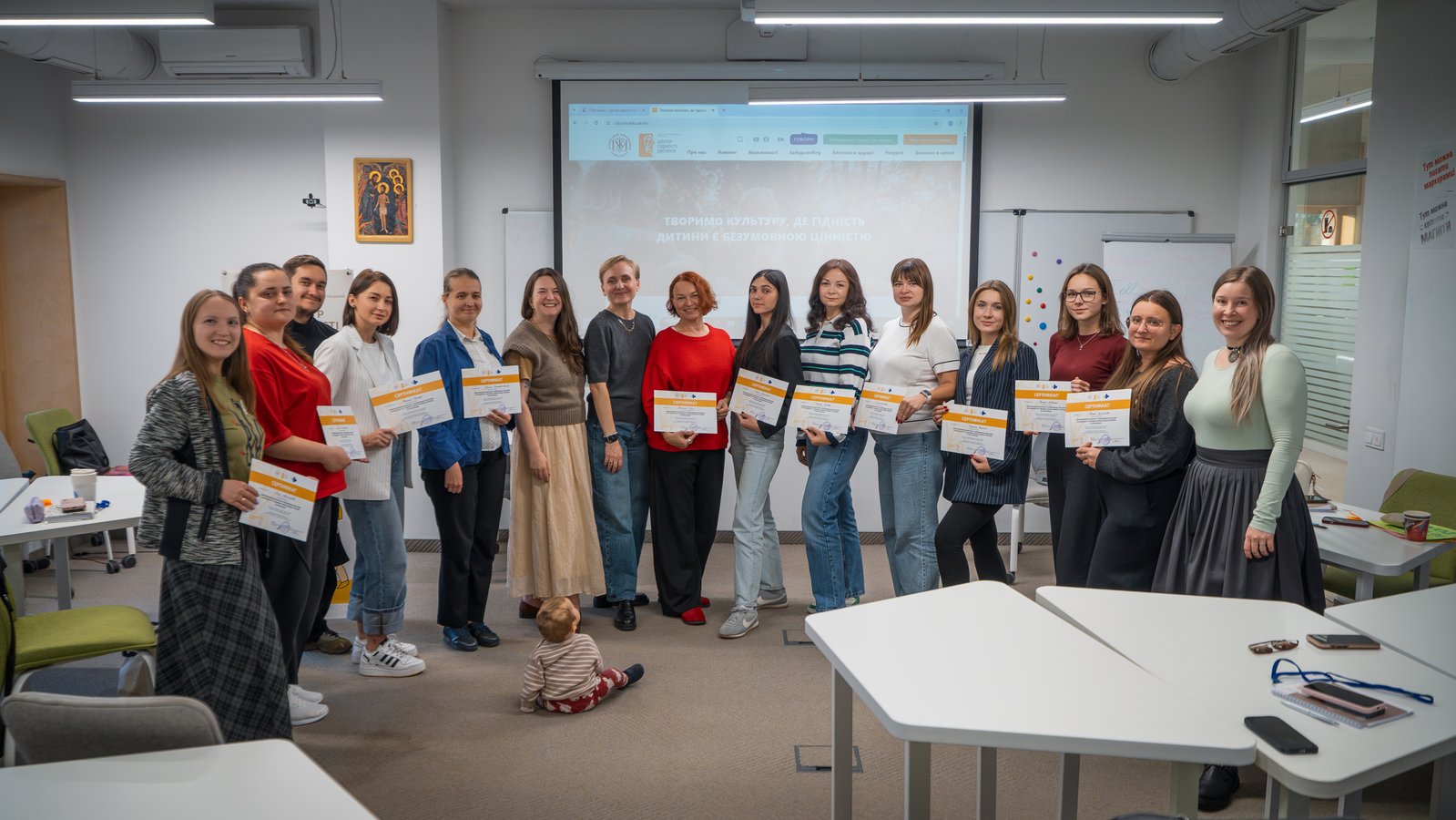
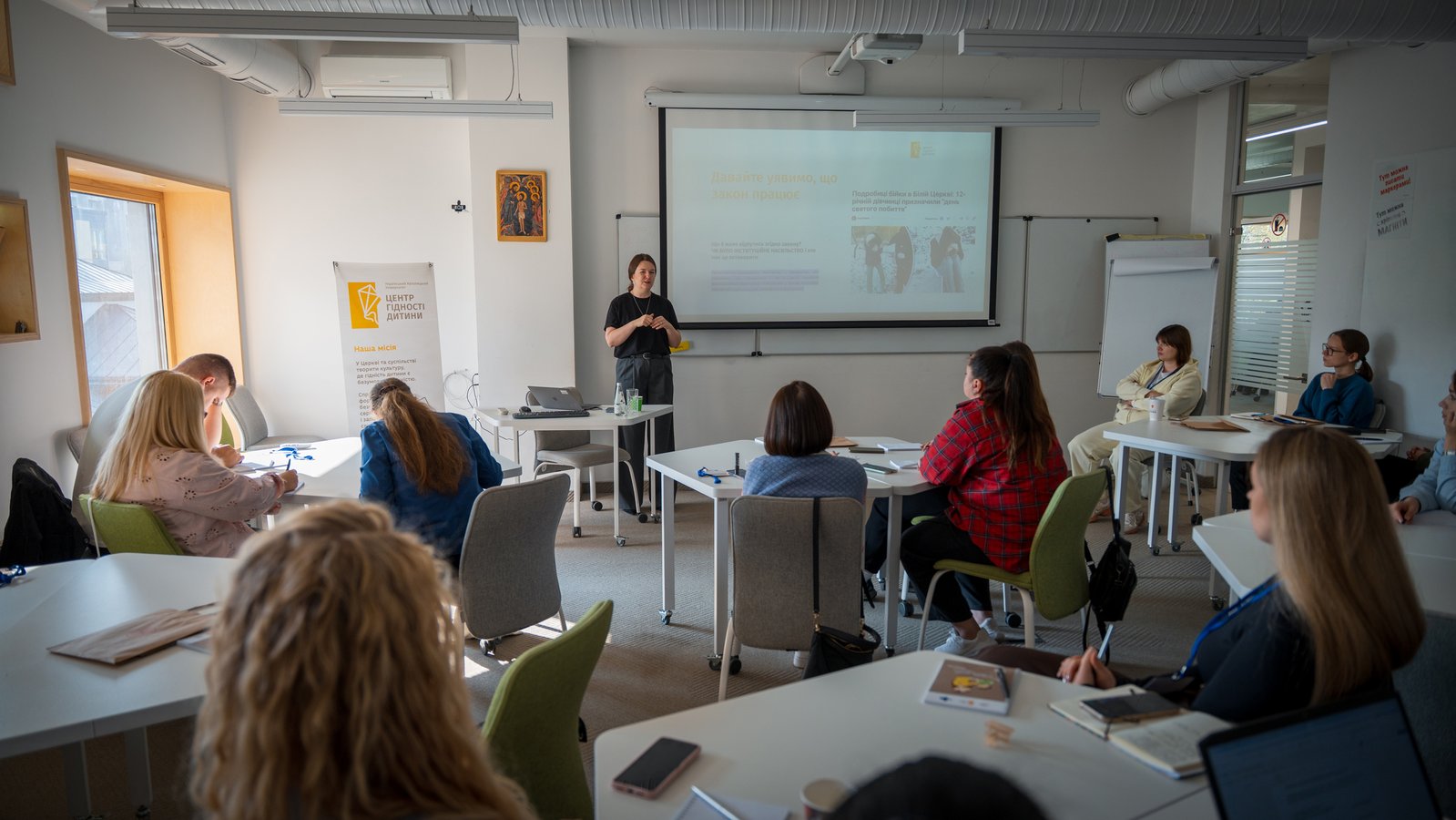
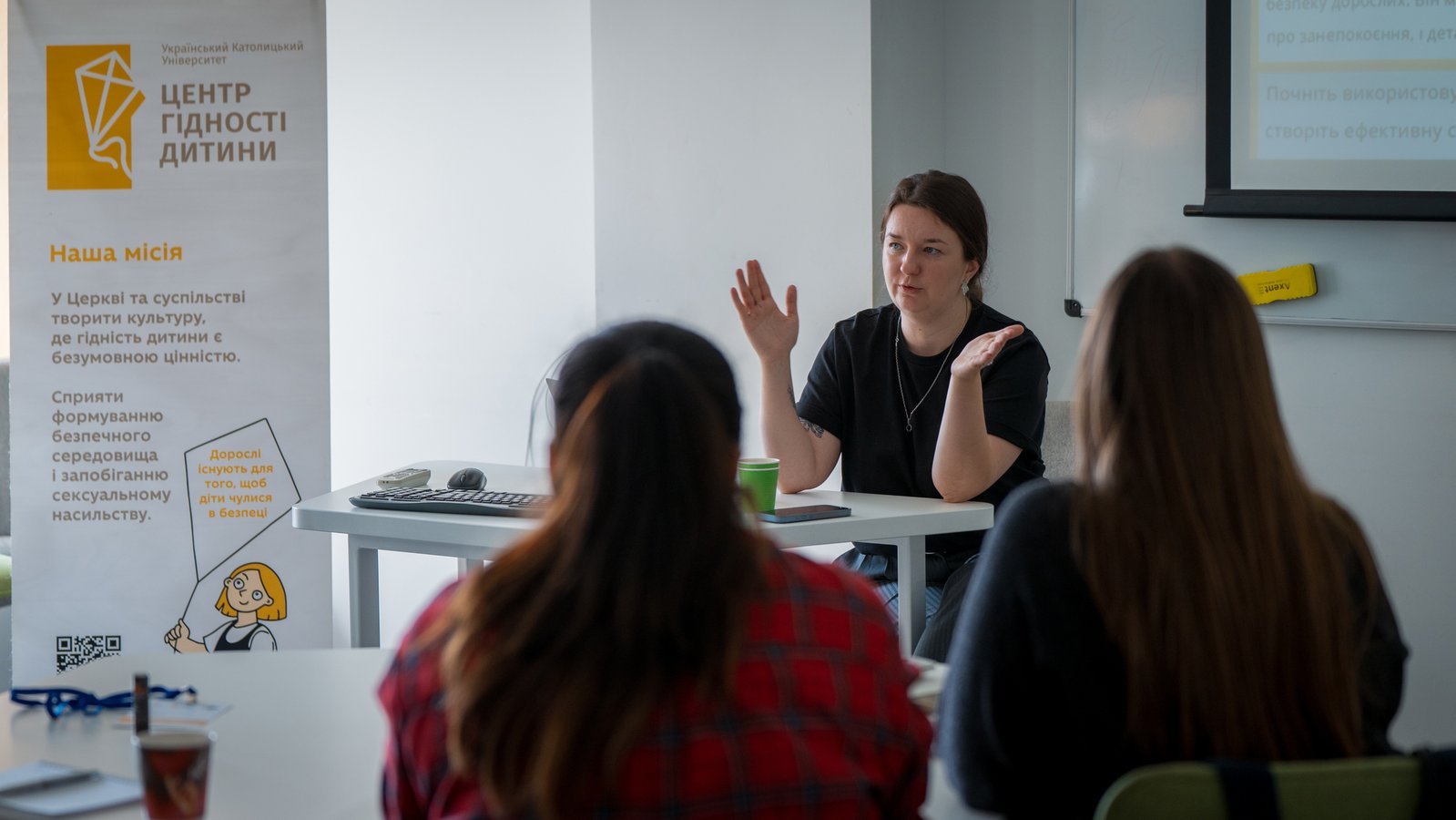
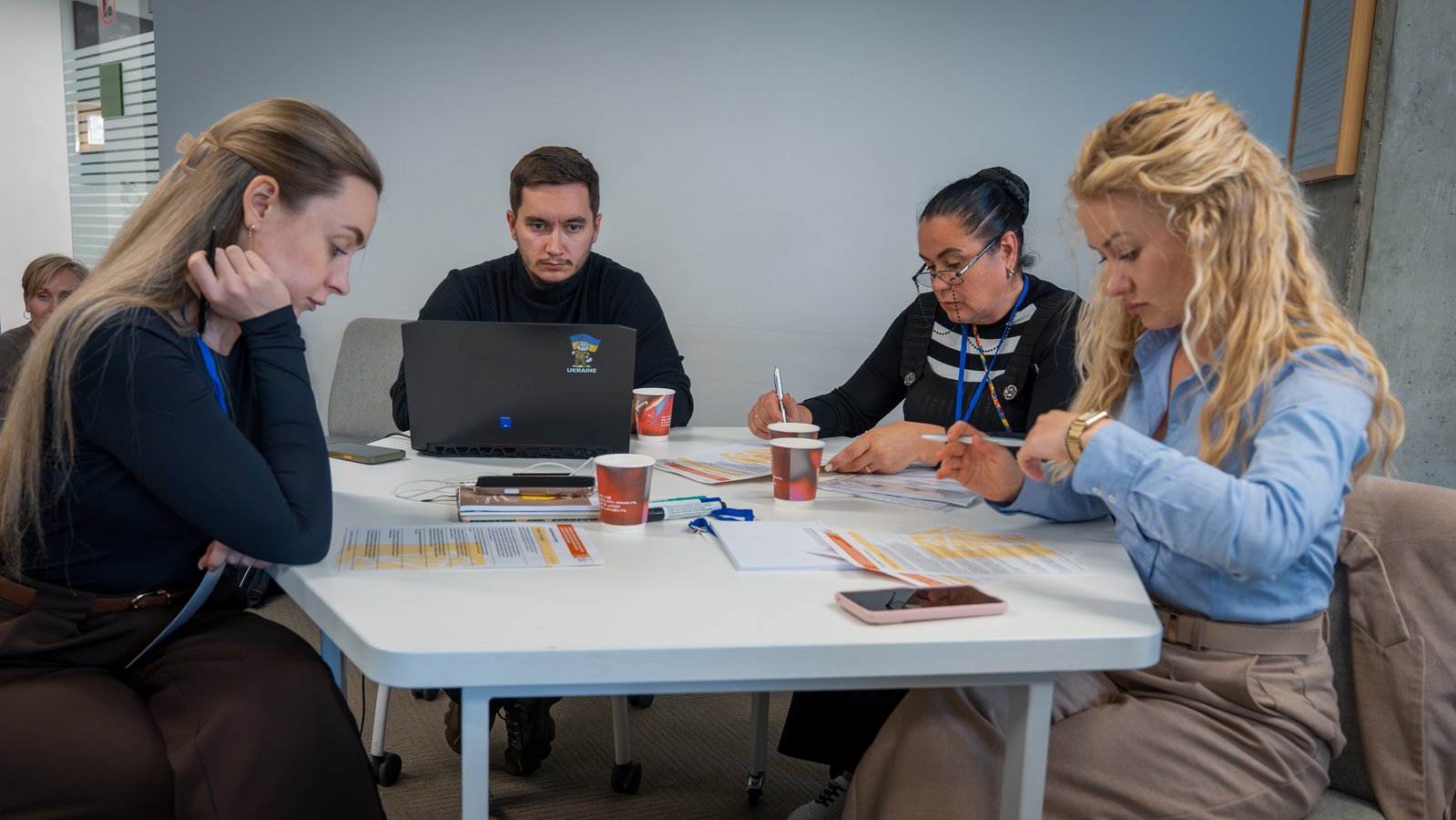
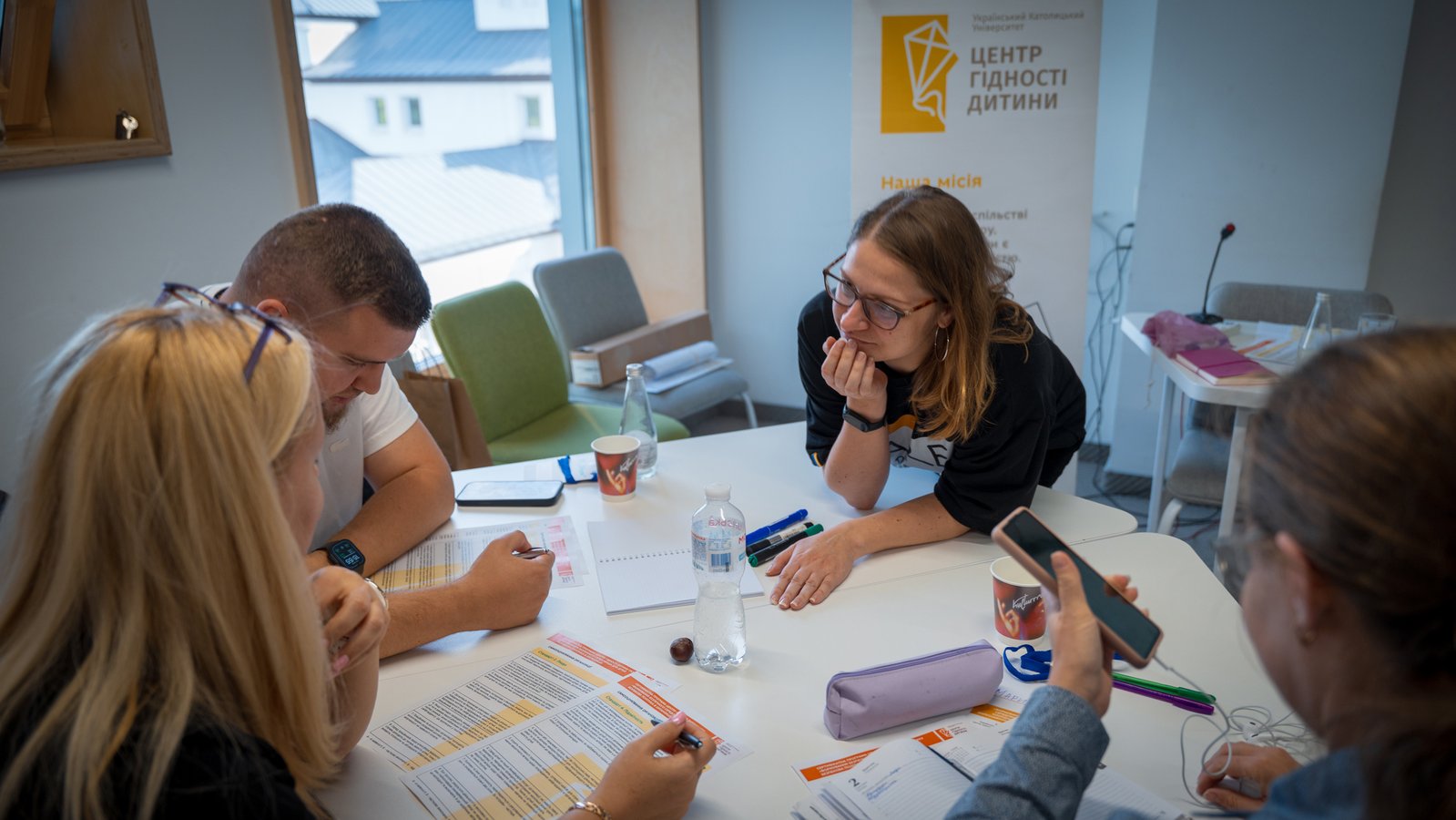
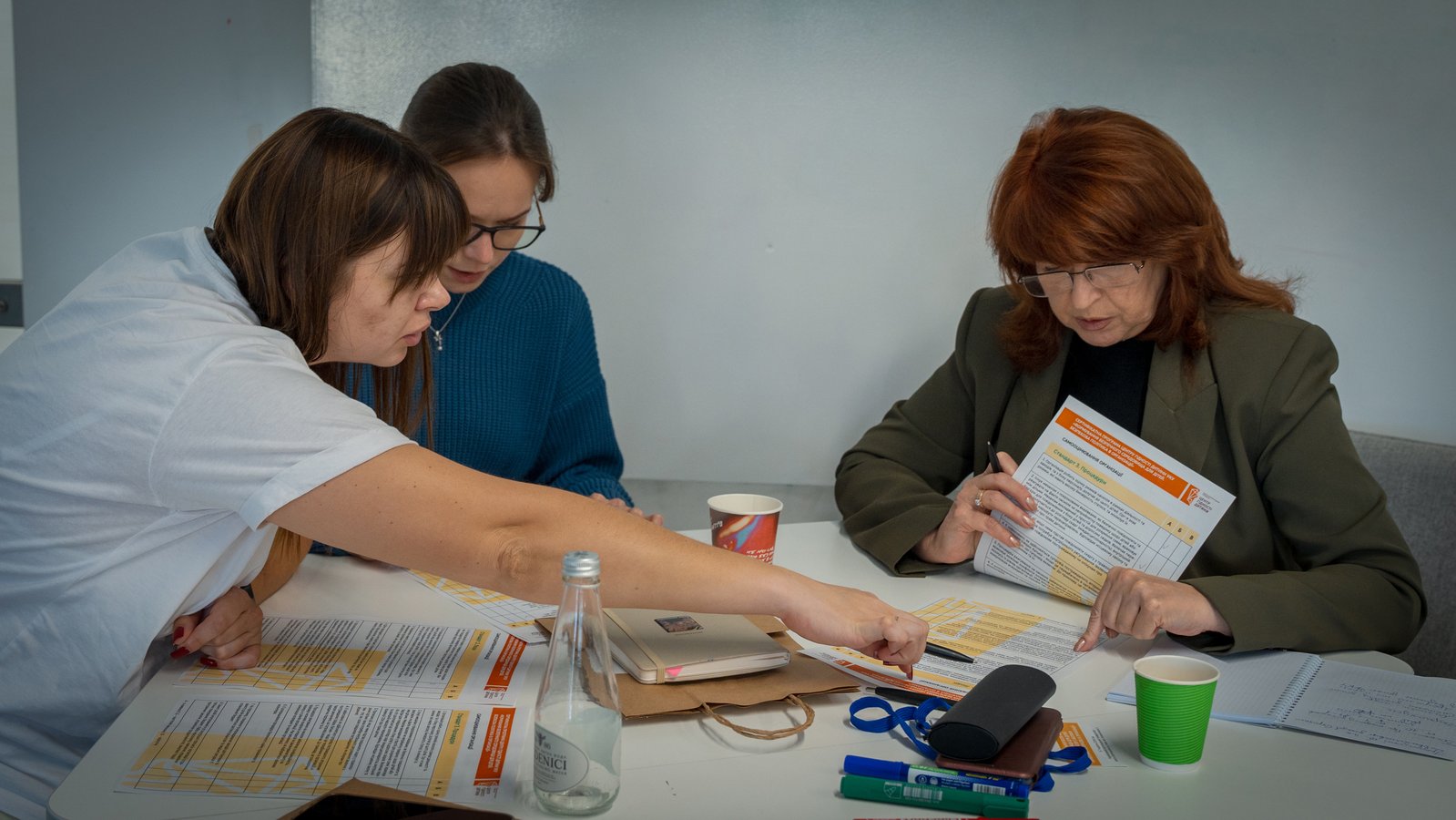

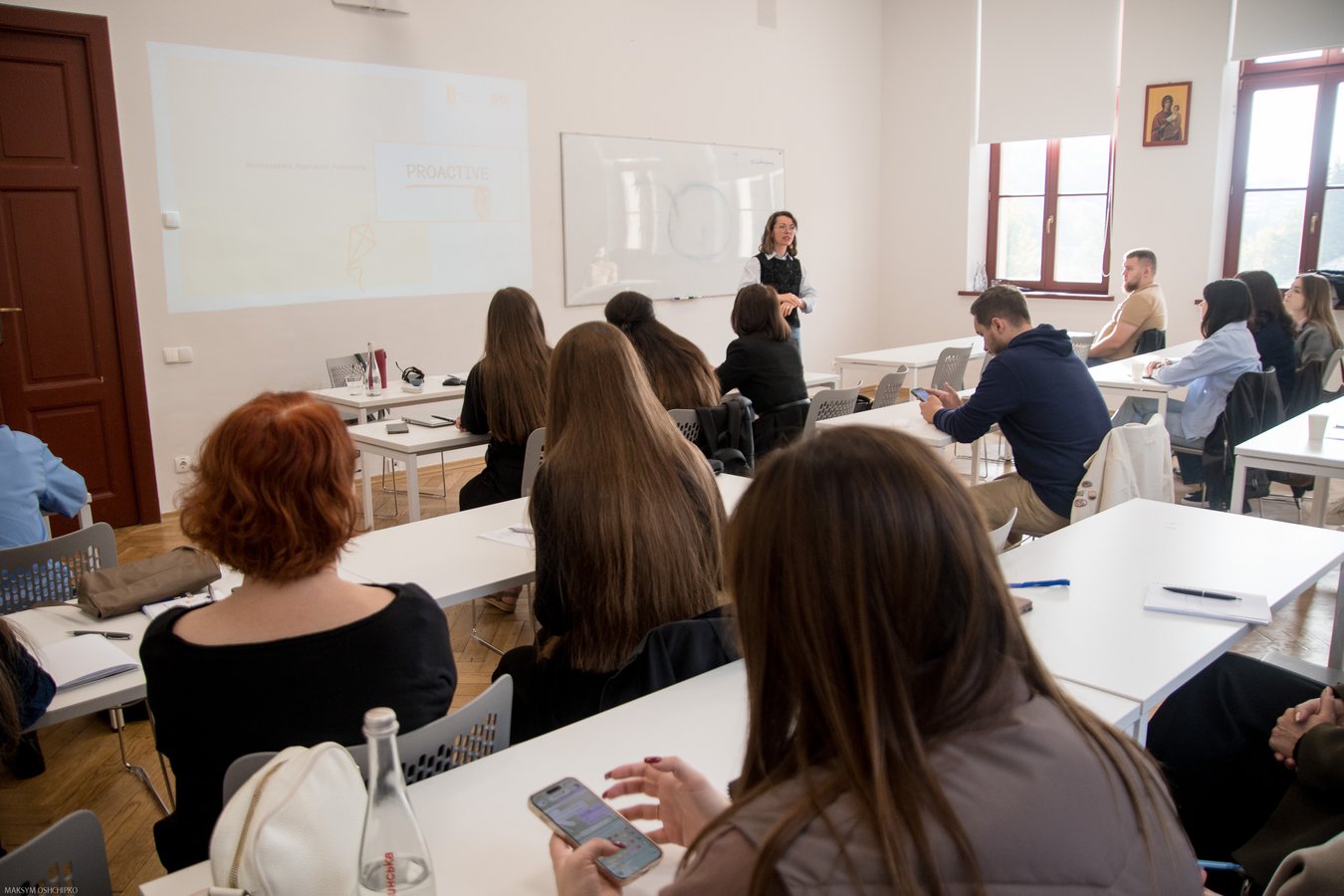
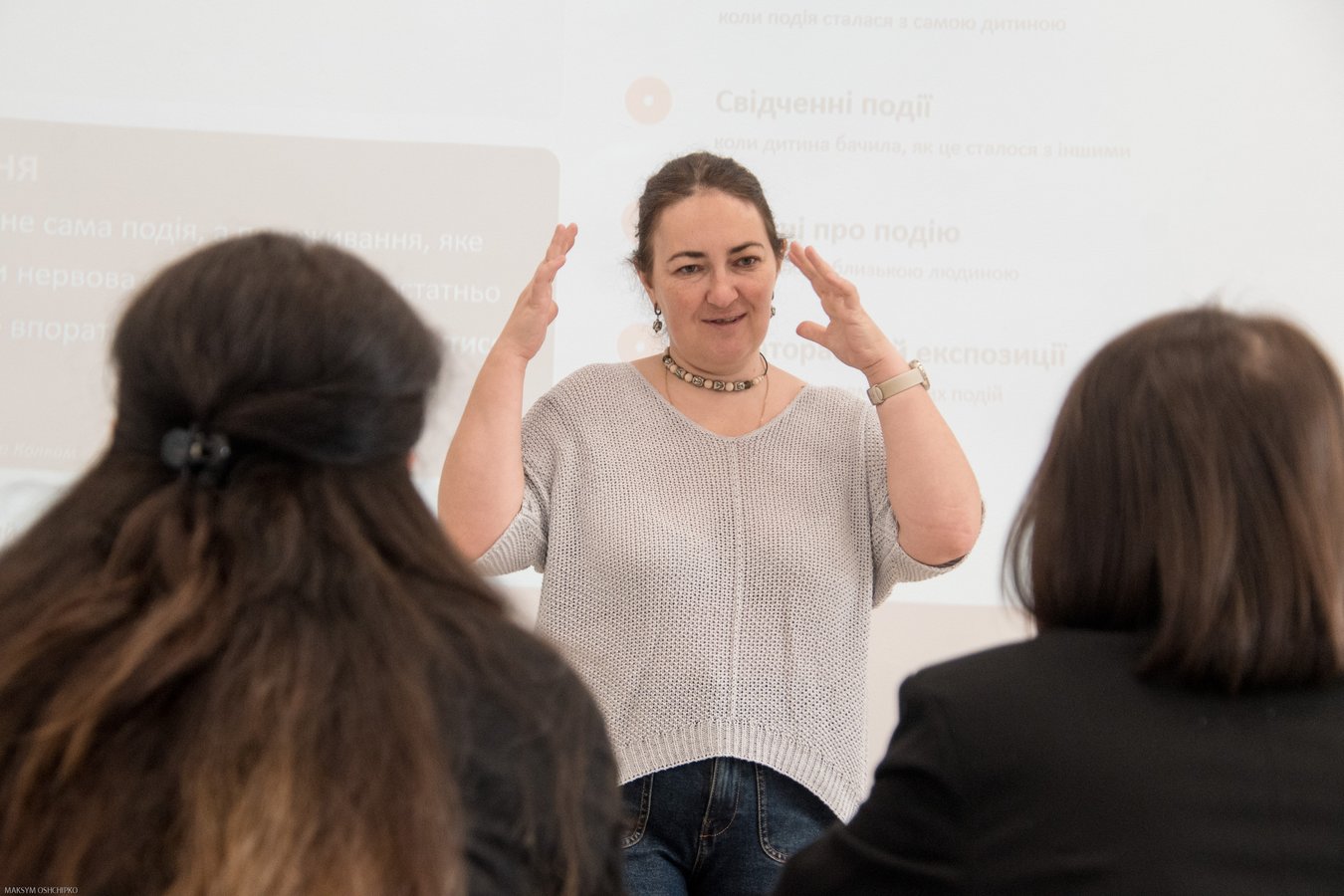
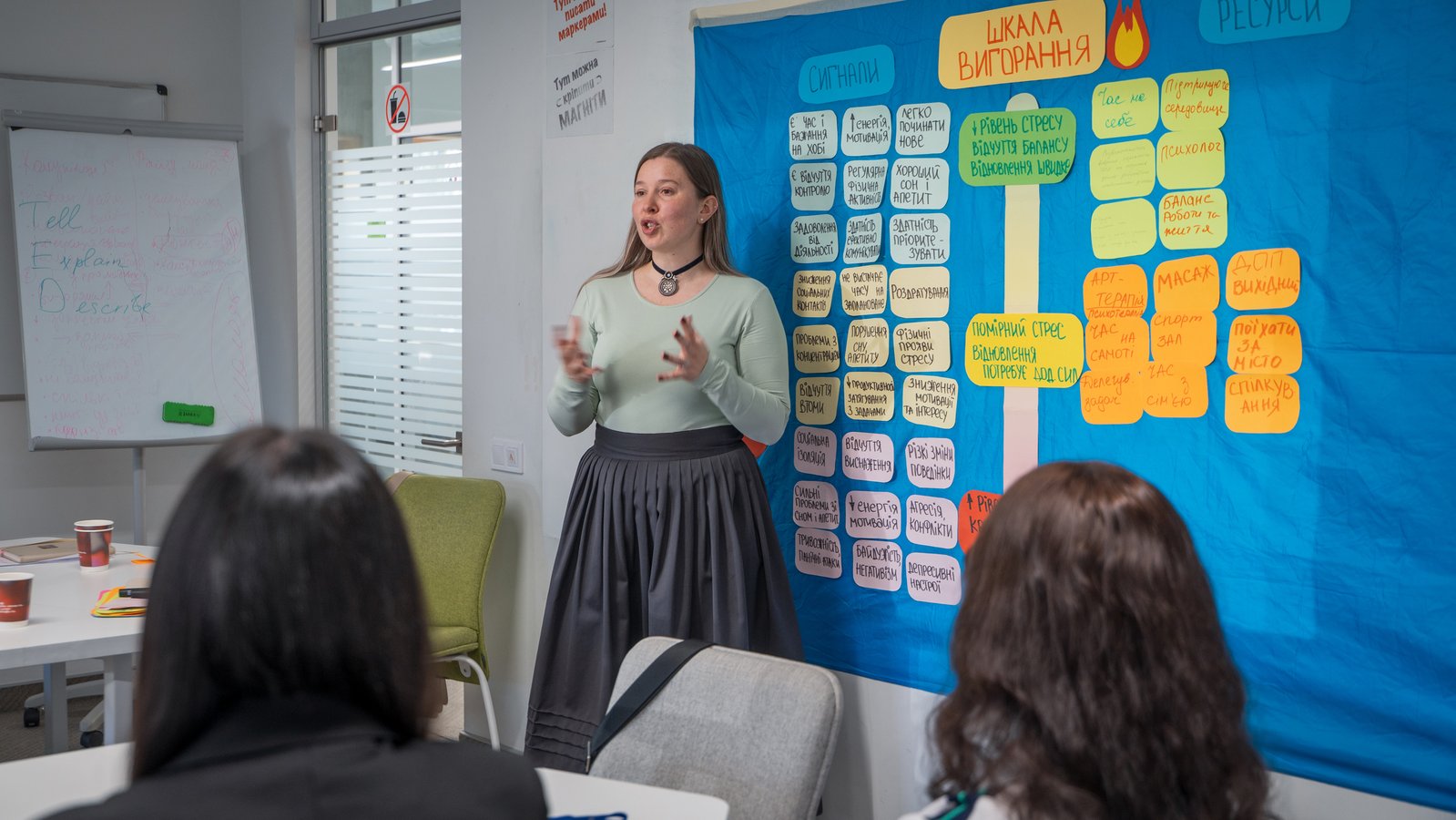
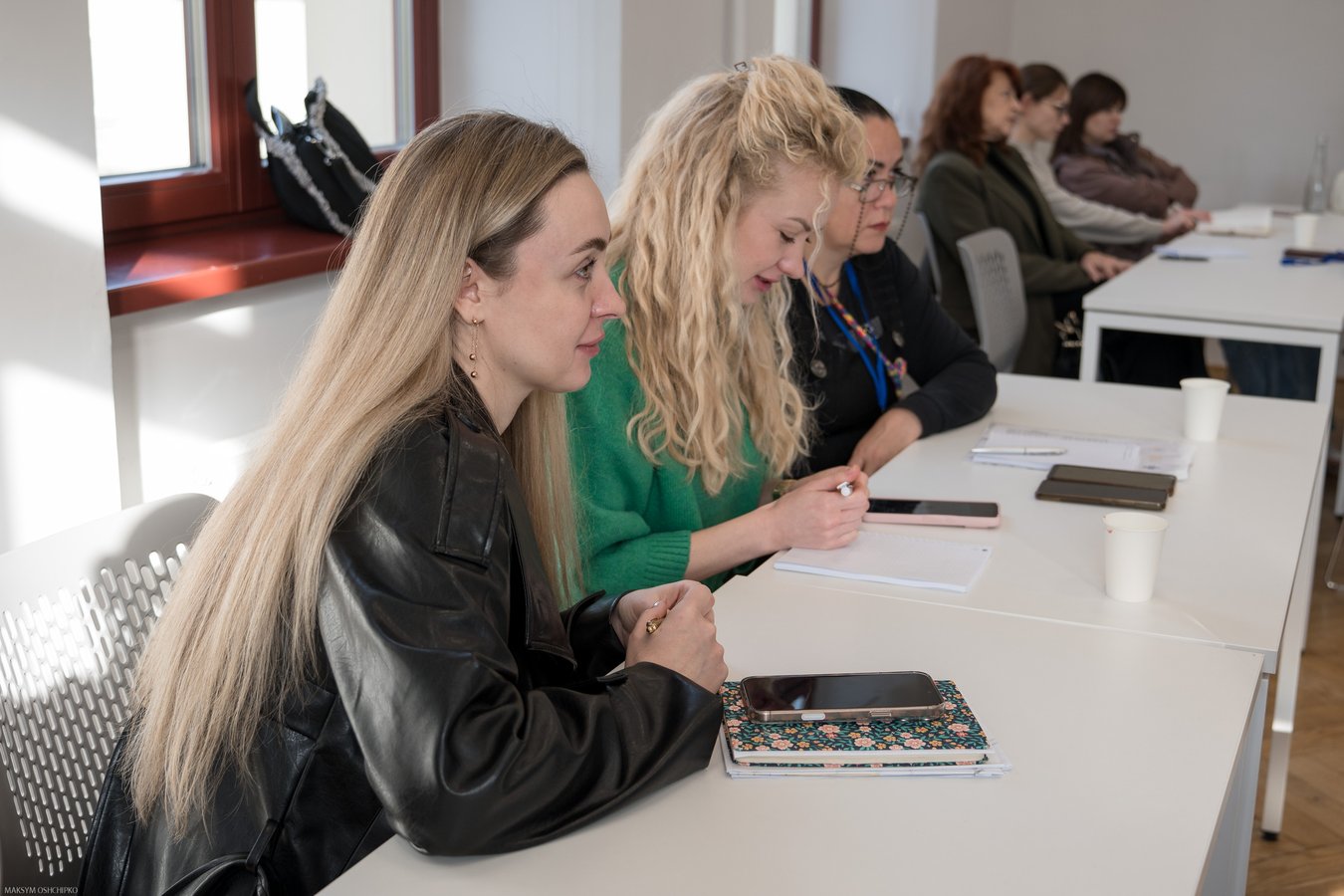
The certification programme consists of online and offline components. Following a three-day intensive course in Lviv, participants must, by the end of December, draw up a one-year implementation plan for a safety policy and develop training materials for one of their target groups.
Oksana Nechitailo, an expert on child safety and dignity, inclusion and gender sensitivity at the ‘savED’ charitable foundation, expressed her gratitude for the assistance in developing the safety policy and adapting it to the foundation’s activities.
‘We are currently actively working on implementing the safety policy. At this stage, we have indeed faced many challenges. After all, we are working not only with our own team to ensure everyone is familiar with the safeguarding standards, but also with a large audience of our stakeholders. This includes over 200,000 children who attend the Foundation’s educational centres and take part in our events. The expertise provided to us by the Centre for the Dignity of the Child at the Ukrainian Catholic University is proving extremely helpful at this stage,” emphasised Oksana Nechitailo.
Photo: Stefan Dmytryshyn, Maksym Oshchipko