“Without love, there is no upbringing”: Why safety begins with the relationships between adults and children
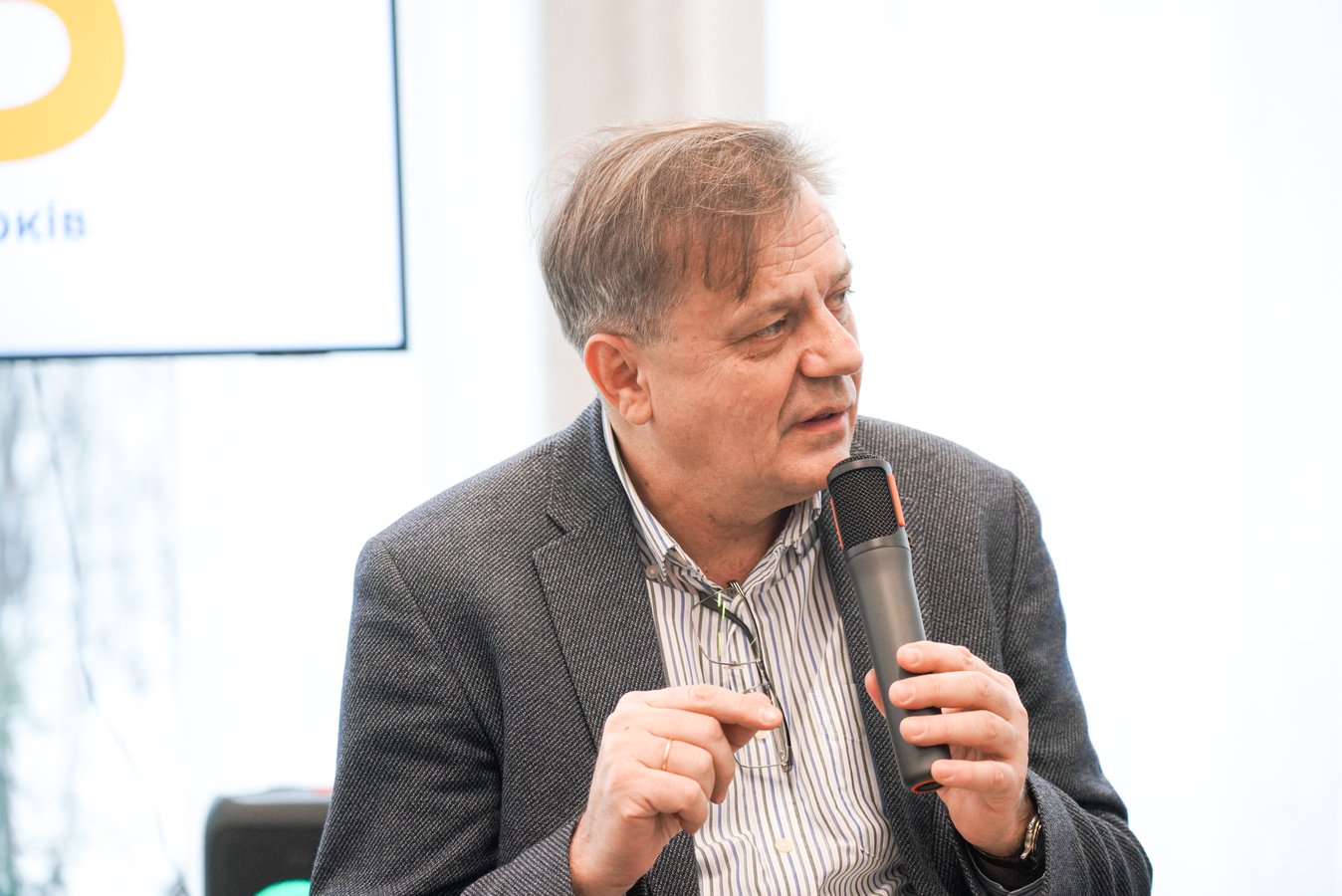
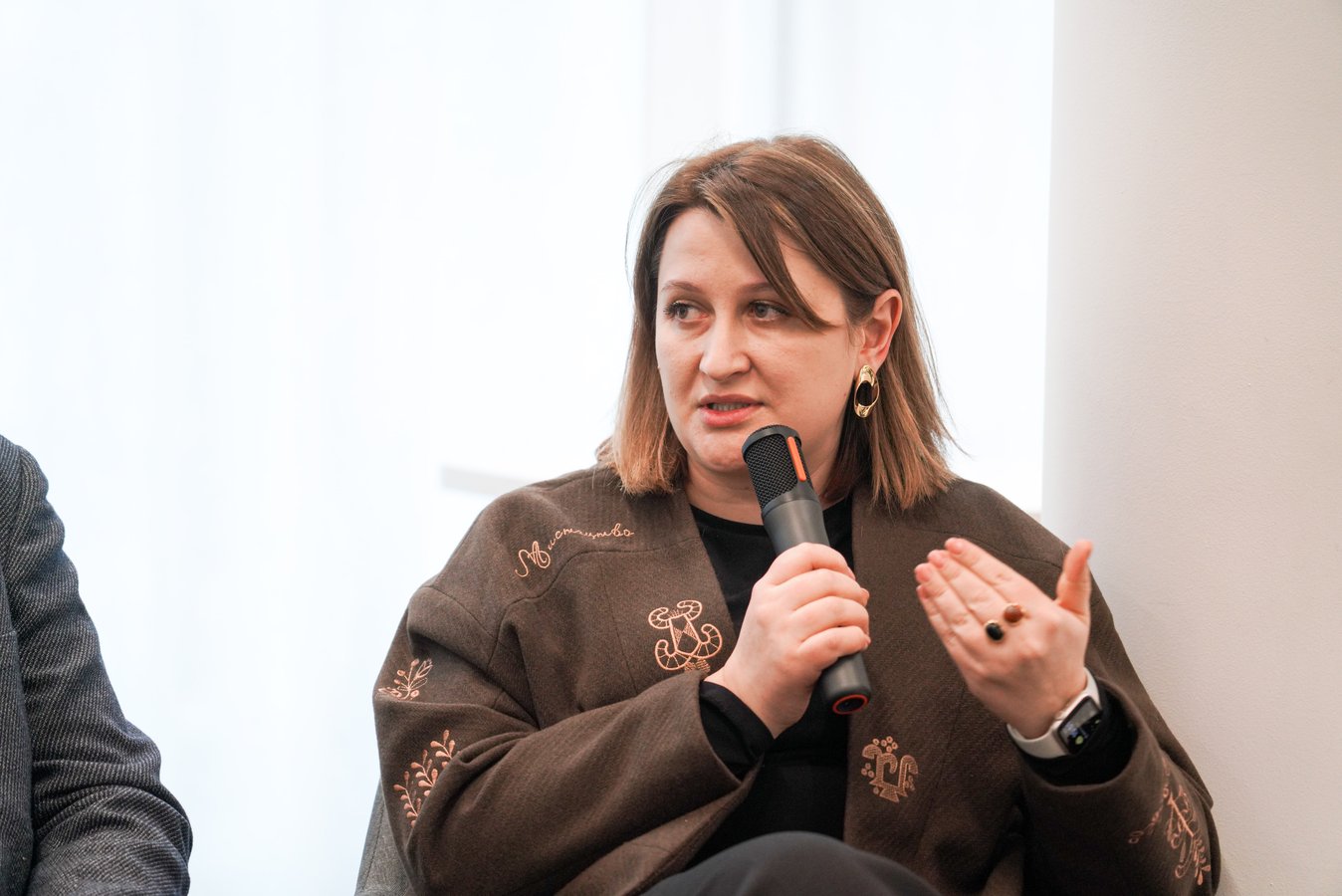
To mark the fifth anniversary of the UCU Center for Child Dignity, a panel discussion titled “Child Safety: Adults’ Daily Actions” was held. Participants discussed why violence is passed down from generation to generation, the causes of bullying in schools, and how to build trusting relationships with children so that they feel safe. The discussion featured Roman Kechur, a psychiatrist, psychotherapist, and head of the Department of Psychology and Psychotherapy at UCU, and Natalia Masyak, a child psychiatrist and director of the Superhumans Psychological Rehabilitation Center. The discussion was moderated by Khrystyna Shabat, director of the UCU Center for Child Dignity.

The conversation began with a specific incident. In Lutsk, parents publicly boasted about beating their teenagers with a belt. In the comments, people didn’t discuss whether this was acceptable; instead, they shared their own methods of punishment. Khristina Shabat asked the question directly: “Why does this still happen, and why doesn’t public condemnation change anything?” Roman Kechur explained this online reaction from a psychiatrist’s perspective: the issue isn’t a lack of knowledge, but the fact that people change slowly, and communities even more slowly. We raise our children the way we were raised because behavioral patterns are learned through personal experience, not through information.

“A child is born like soft clay. As they grow up, they encounter rigid adults who leave their mark on them. When the child hardens, they themselves begin to leave those same marks on their own children,” added expert Roman Kechur. This is what transgenerational trauma is: we raise our children the way we were raised. It is not enough to condemn those who hit children. Society needs a deeper conversation about the causes of such cases, because without understanding the mechanism, it is impossible to change it.
Child psychiatrist Natalia Masyak explained that, on the other hand, we need to allow ourselves to make mistakes today, because a full-scale war creates additional stress for everyone: “There is a lot of stress around us. And even the best parents may make more mistakes—not because they’ve become worse, but because the context has become more complex.” We demand safety and support for children from parents, teachers, and other responsible adults, but often they themselves lack these things. An exhausted adult cannot be a source of support for a child, even if they really want to. Working on oneself and accepting one’s own imperfections is one of the steps toward ensuring greater safety for children.

The panelists devoted special attention to the topic of bullying and its consequences. Natalia Masyak, who works with children who have a history of self-harm, noted that in her professional practice, such cases are most often linked to bullying at school. Bullying in the classroom is not a problem caused by “bad kids.” Roman Kechur explains: “It is difficult for a person to learn outside of a loving, supportive relationship. Any form of education is possible only in an atmosphere of love and care. If that is absent, the system resorts to repression, and then violence enters the picture.” A child’s ability to learn directly depends on the quality of their relationships with adults.
In response to the question, “What changes in an adult’s perspective are needed for a child to feel safe and for adults to act preventively rather than merely reactively?” Roman Kechur articulates the shift required at the level of worldview: “We must cultivate the idea that a child is a separate being. Not an extension of myself, not my property, not my reputation.” When an adult perceives a child as an extension of themselves, any “inappropriate” behavior on the child’s part is felt as a personal insult. This leads to punishment, control, and aggression. However, when we recognize the child’s dignity, there is room to build a relationship with them as a separate individual.


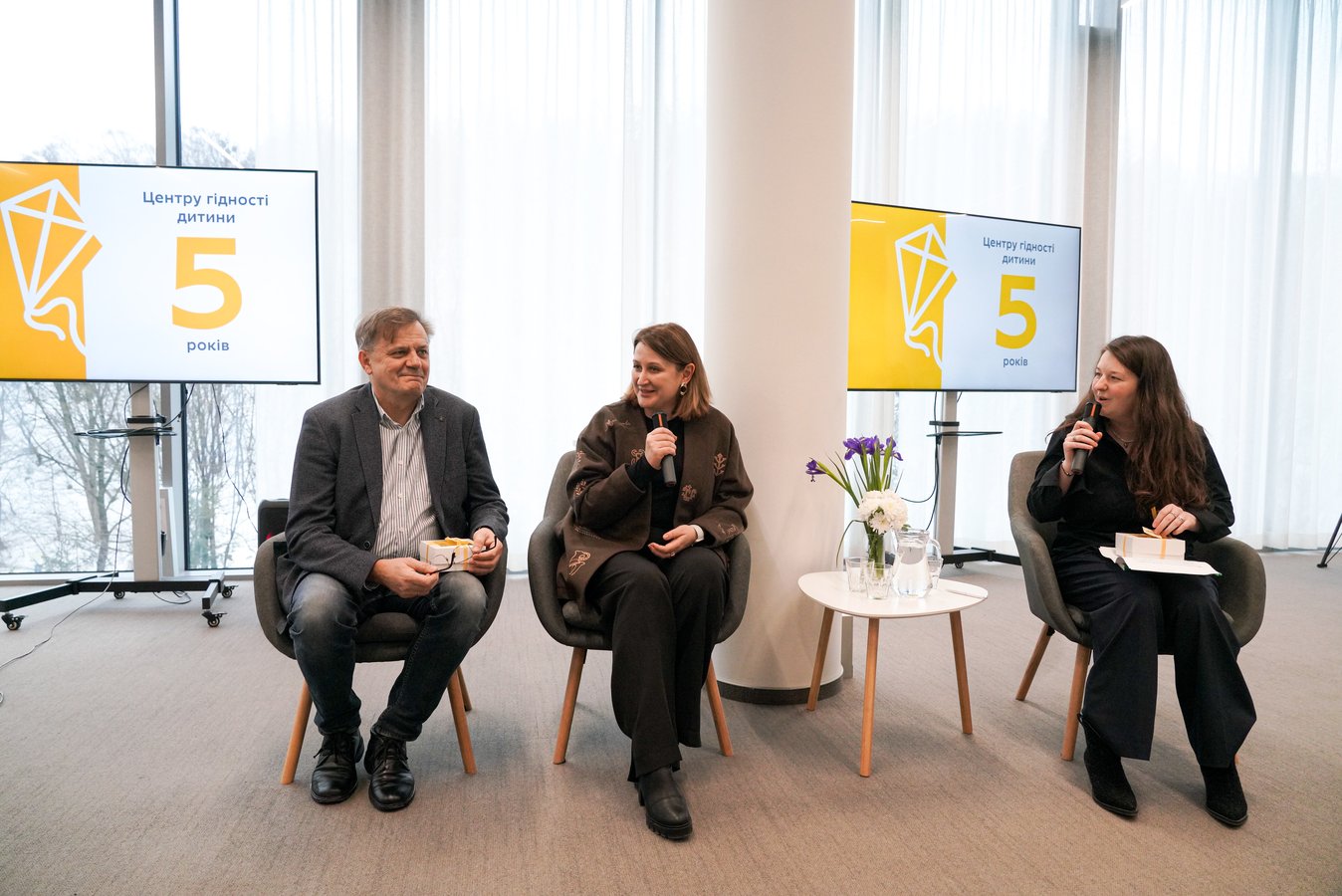
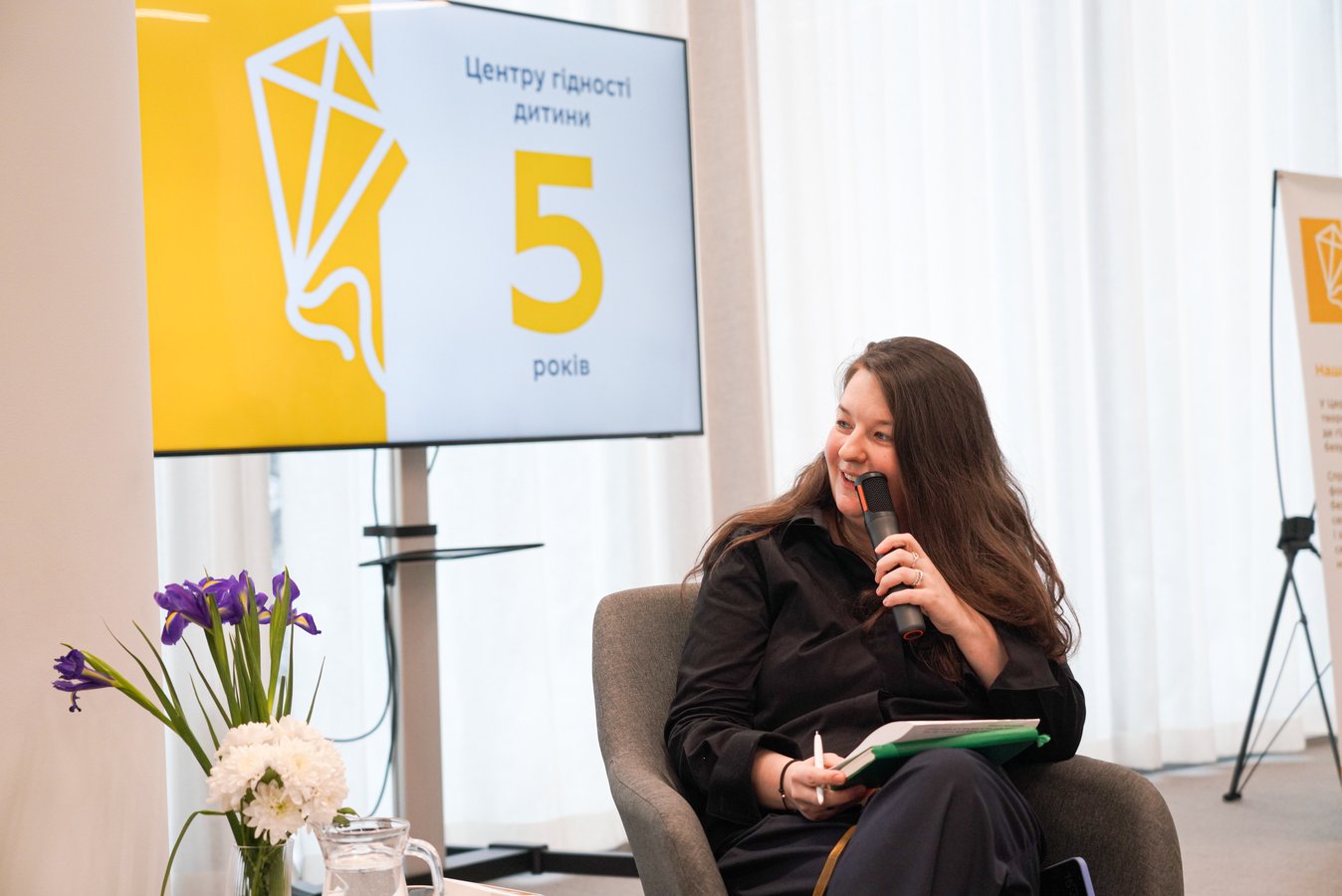
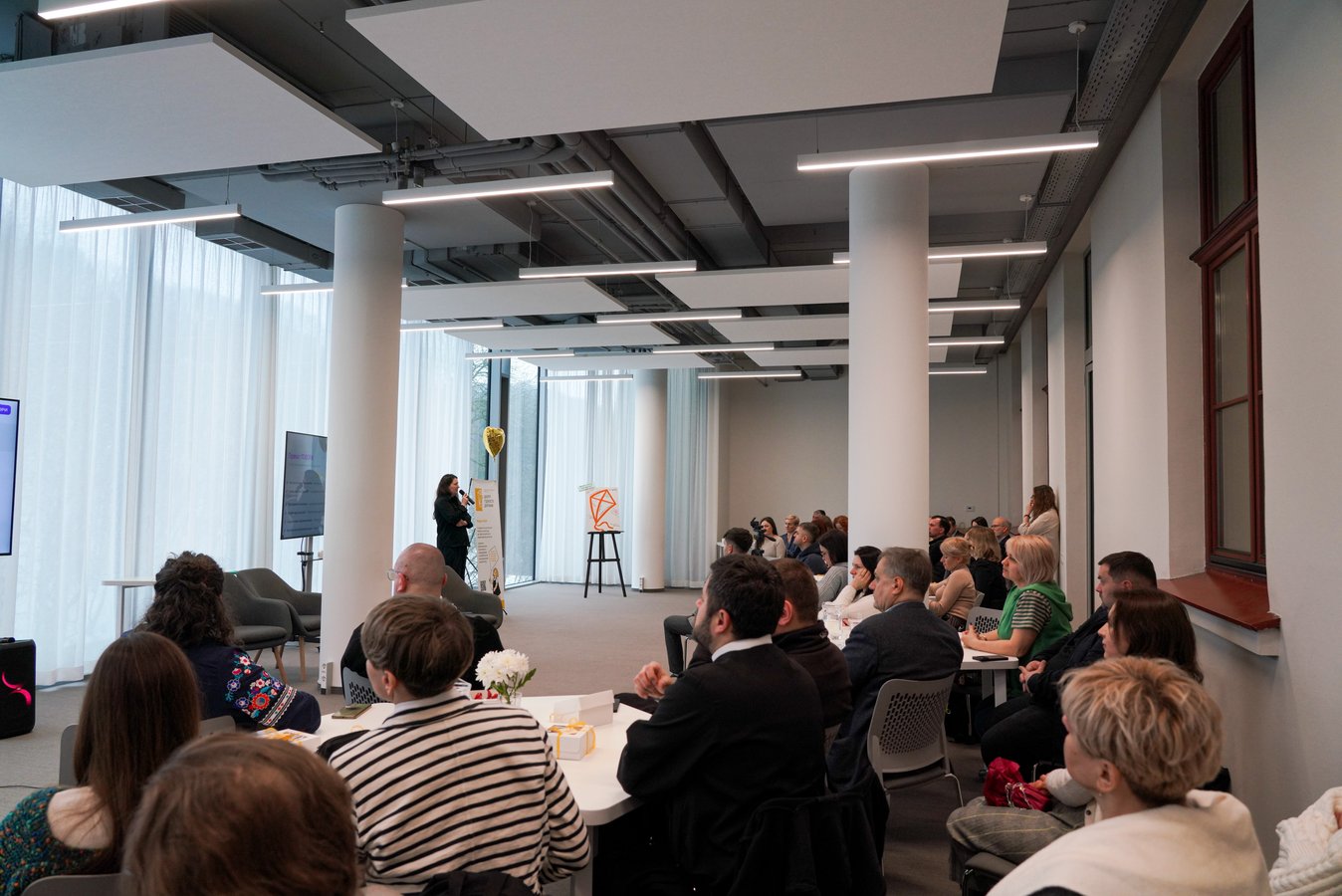
The panel discussion took place to mark the fifth anniversary of the UCU Center for Child Dignity. “Five years ago, the phrase ‘prevention of child abuse’ sounded unfamiliar to many,” recalled Khrystyna Shabat. Over the years, the Center has reached more than 250,000 people, conducted four studies in the field of child safety, created over 70 educational resources for professionals, and implemented eight academic courses in partnership with 13 countries.
“Safety is not a destination we are heading toward, but a process that we can and must always work on,” concluded Natalia Masyak.
“Children who have experienced love and support will grow up to be adults capable of giving love and support,” added Roman Kechur.
The panelists concluded the discussion by emphasizing that positive change begins with adults’ ability to take an honest look at themselves: where do my reactions come from, are they truly my own, or are they memories from my childhood?
You can watch the full panel discussion, “Child Safety: Adults’ Daily Actions,” on YouTube: https://youtu.be/qkzxWOyimwg
Photo: Vitaliy Grabar