When a child’s safety becomes a shared responsibility: The UCU Child Dignity Centre and the School of the Free and Caring have signed a memorandum of cooperation
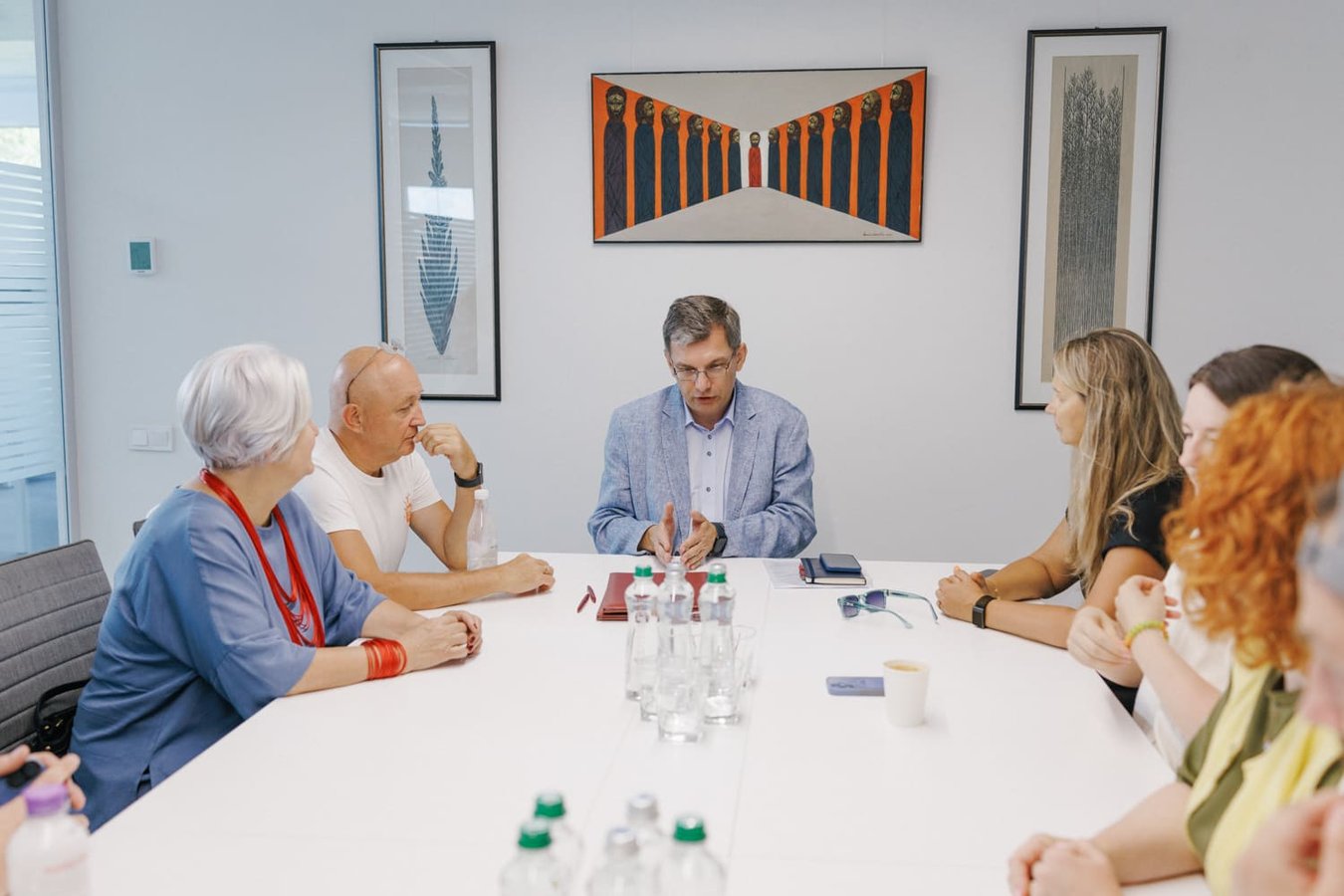
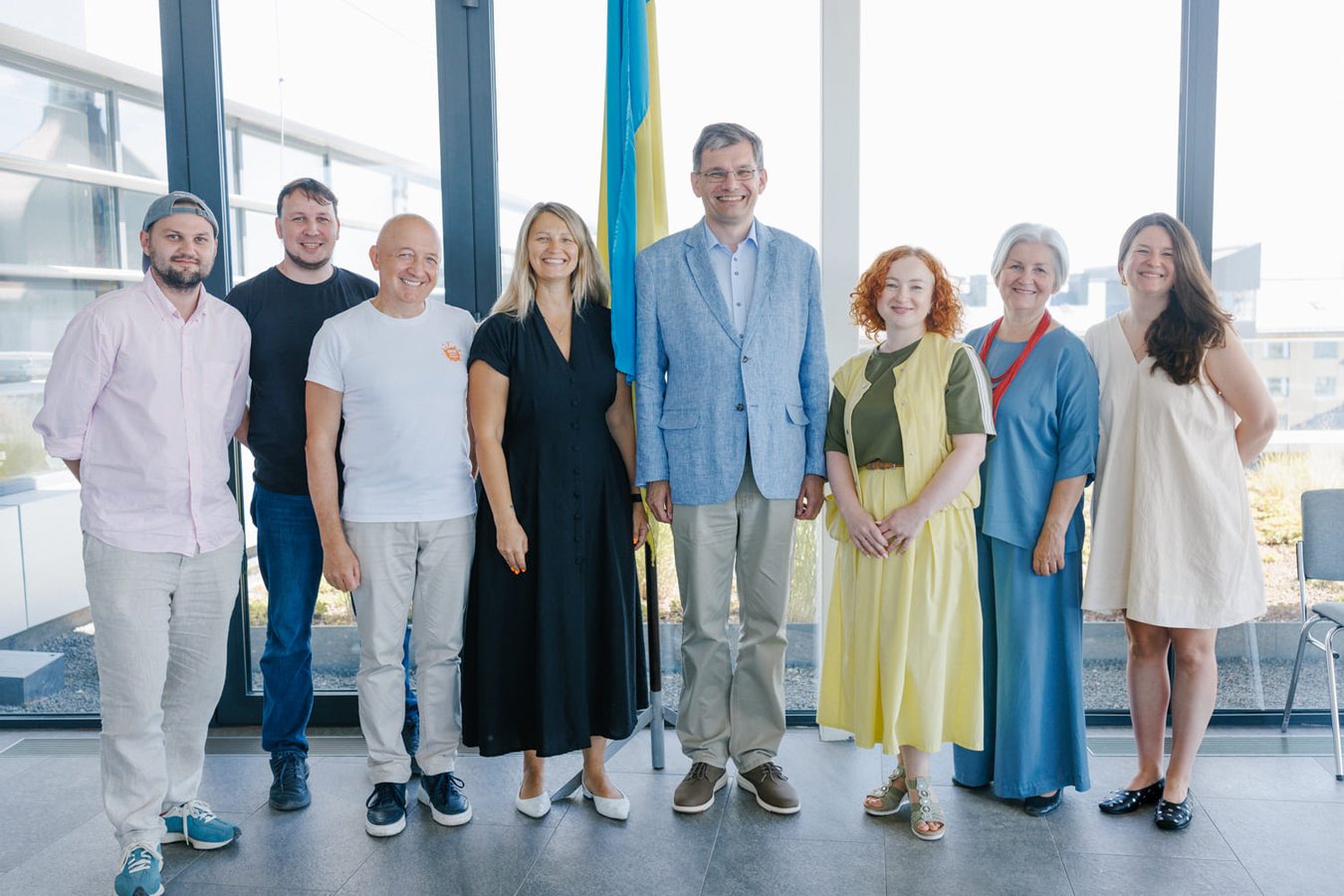
The UCU Child Dignity Centre and the network of private ‘Schools of the Free and Caring’ have officially formalised their partnership as part of the 'HOVORY’ project. The parties have signed a memorandum of cooperation.

According to Taras Dobko, Rector of the Ukrainian Catholic University, a safe educational environment is, above all, a prerequisite for a child’s full development: ‘We are establishing cooperation with the School of the Free and Caring so that, whilst in an educational environment, children can focus on what matters most — learning. So that there are no obstacles for them, so that their dignity is protected, and so that children can truly be themselves whilst receiving an education and learning.”
At the School of the Free and Caring, they point out that this is not the start of the collaboration, but its continuation. At the end of the last academic year, the network’s teachers and administration underwent training from the UCU Child Dignity Centre on creating a safe educational environment. Consequently, the team joined an initiative that helps foster a culture of safety, trust and dignity.
“It is very important for us in Ukraine today to keep our finger on the pulse of everything that is happening in the field of child safety,” says Oles Pohranychnyi, Director of Mission and Values at the School of Free and Caring.

The main practical outcome of the partnership is the 'HOVORY’ button, which the network has integrated into the pupils’ digital diaries. This tool allows children to confidentially report instances of inappropriate behaviour towards them. Technically, the button is already operational on the schools’ platform — based on a prototype and concept developed by the UCU Child Dignity Centre.
Next on the agenda is training for those responsible for safety and for school pupils.

The school emphasises that it is vital to systematically create a safe environment for children. To achieve this, it is necessary to undergo training, implement clear rules and have effective tools that help children to be heard.