Topics it is important to discuss – the seventh School for the clergy, consecrated persons and laity
What is a child’s place in the Church? How should we speak to children who have suffered trauma during the war? How can we recognise an abuser? What procedures are in place when a crime of sexual abuse is reported within the Church? How should one communicate effectively during a crisis?

These issues were discussed during the School for Clergy, Consecrated Persons and Laypeople, entitled ‘The Dignity of the Child as an Unconditional Value’, organised by the Centre for the UCU Child Dignity Centre. The training took place on 8–9 October.
This is the seventh such training programme aimed at protecting minors and creating a safe space within the Church. The first took place in 2021.
“Whilst we initially organised the training exclusively for those within the Church responsible for receiving reports of abuse, now both clergy and laity attend, including psychologists and monks who work with children,” noted Ivanka Rudakevych, head oof the “Church” division at the UCU Child Dignity Centre. “It is very valuable to us that people understand the importance of this training. Sometimes I see a kind of transformation: at first, participants doubt the importance of the topic, thinking that abuse does not exist, but then they begin to recognise certain things in their own communities.”


This year, 30 people took part in the course. Over the course of two days, they not only listened to lectures given by psychologists, members of the clergy and experts from the UCU Child Dignity Centre, but also took part in numerous practical sessions.
Father Sava Masnyk, deputy head of the Ukrainian Greek Catholic Church’s Bureau for the Protection of Minors and Vulnerable Persons in Ukraine and abbot of St Michael’s Monastery in Lviv, spoke about how to create a safe environment for children within the Church and shared the Church’s experience in preventing child sexual abuse.
Ivanka Rudakevych’s lectures focused on the place of children in the Church and an assessment of the extent of sexual abuse in Ukraine based on a sociological study by the Centre for the Dignity of the Child.


Bishop Theodore Martyniuk, delegate from the Synod of the Ukrainian Greek Catholic Church to the Vatican on matters concerning the protection of minors from abuse, Metropolitan of Ternopil-Zboriv of the Ukrainian Greek Catholic Church and Doctor of Canon Law, familiarised the School’s participants with the procedures to follow when a report of a sexual abuse offence within the Church is made.
“The canonical definition of sexual abuse within the Church is a crime against the Sixth Commandment. Crimes can be divided into two groups, depending on who is competent to conduct the relevant investigation, trial and impose punishment,” noted His Eminence.
Veronika Savruk, Communications Manager at SoftServe, shared advice on how to communicate with different audiences during times of crisis.
“When planning your communication – be it a sermon or a social media post – always consider who your target audience is, and who you want to reach with your message,” emphasised Veronika Savruk.

‘Children are important to us, but they are very vulnerable. The fact that violence can occur within the Church is, to me, completely unacceptable. I really enjoyed the lecture on crisis communication. It really struck a chord with me that it is vital to tell the truth and reach out to people sincerely if there is a problem or a crisis,” shared Fr Roman Shup’yany, OSBM.
Most of the time at the school was devoted to lectures by psychologists and practical analyses of cases of abuse.
Yuliana Maslak, a child psychologist, psychotherapist and co-founder of the ‘Mytci’ Mental Health Centre, spoke about childhood trauma, its causes and consequences; how to talk to children who have experienced trauma during the war; and how to recognise an abuser.
“You must remember three phrases to say to a child who has shared that they have experienced abuse: ‘Thank you’, ‘It’s not your fault’, ‘You are very brave to have told me’,” emphasised Yuliana Maslak during the training.


Oleksandra Nizdrann, a candidate of psychological sciences, psychologist, positive psychotherapist and clinical psychologist, associate professor at the Department of Clinical Psychology at UCU, and trainer for the WAPP register of the Ukrainian Association of Psychotherapists, shared principles for working with individuals who have suffered sexual violence.
‘A child’s unconstructive behaviour is a way of coping with something that makes them feel uncomfortable or that they do not understand. In this way, they are trying to work out how to deal with it,’ explained Oleksandra Nizdran. ‘When a child is dealing with the aftermath of trauma, they express this in conversation and through their drawings. The child needs to be reminded that what happened to them is a crime and that they are not to blame for it.”

Sofia Hanba travelled to the School from Kyiv. She is the chair of the TUSK ‘Obnova’ community.
“At the School, we addressed some very complex issues that are important to discuss. It is extremely valuable that our Church does not remain silent on the issue of violence. Here we talked about childhood trauma, how to respond to it and how to support children. At a time when everyone in Ukraine is suffering because of the war, it is very valuable to know how we can support one another and ourselves,” emphasised Sofia Hanba.
“It is very important that the topic of violence is not a taboo within the Church, and that it is discussed. It is valuable that we can discuss this so that, in the future, we know how to respond when people come to us with experiences of violence – whether spiritual or physical,” added Sr Renata Mykulyn, MNI.

Nadiia Zhdan, a catechist, camp organiser and deputy administrator of the Catechetical and Youth Centre in Lopatyn, emphasised: “It is important that we have started to talk openly about the prevention of violence. As I work with children of different age groups, it is particularly valuable for me to know the procedure to follow and where to turn next if someone were to share such a problem with me.”
“We’ve talked a lot here about the dignity of children. They are not yet fully mature, but we are bringing them up and guiding them. That is why we need to know how to work with them,” added Br. Denys Drekalo, ZNI.

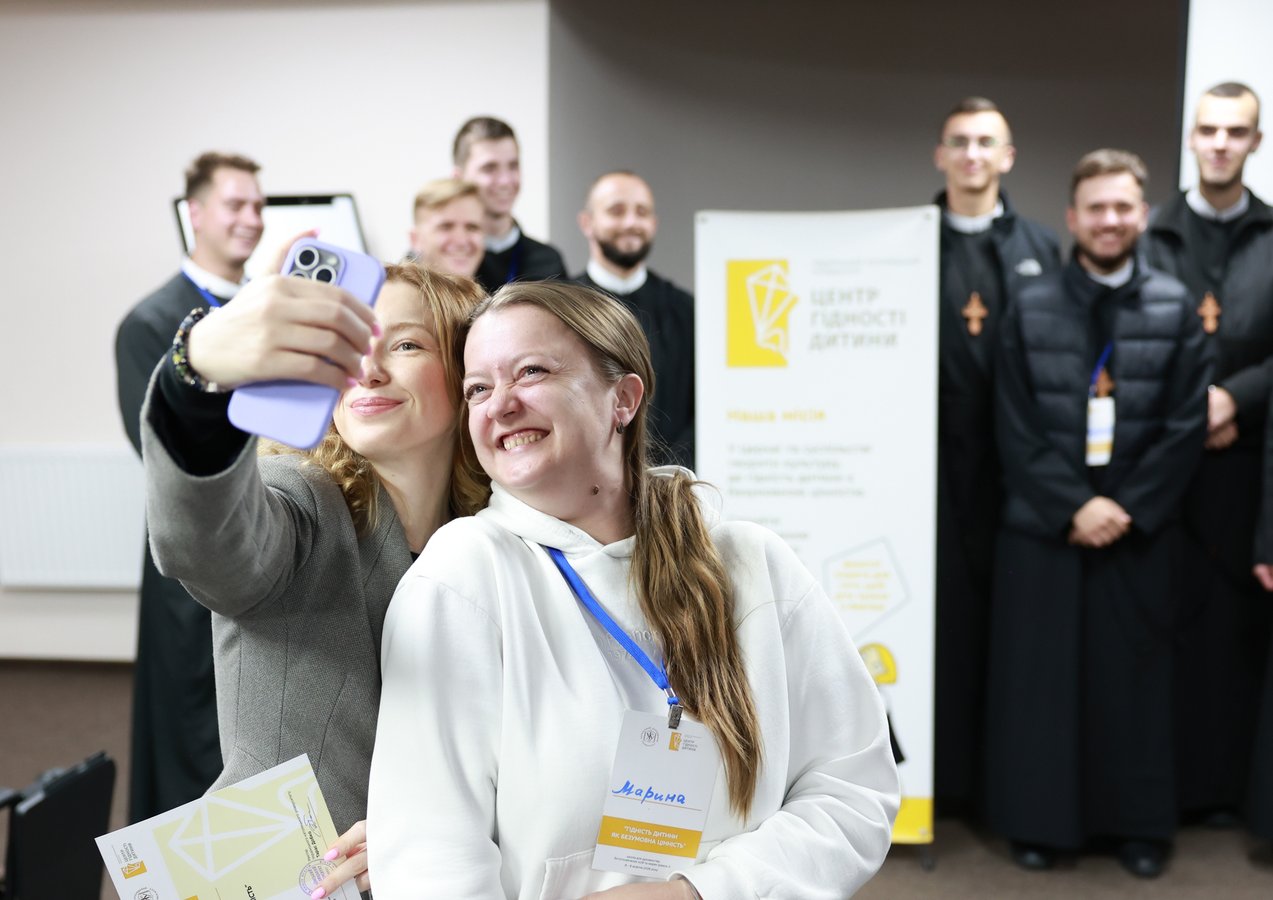
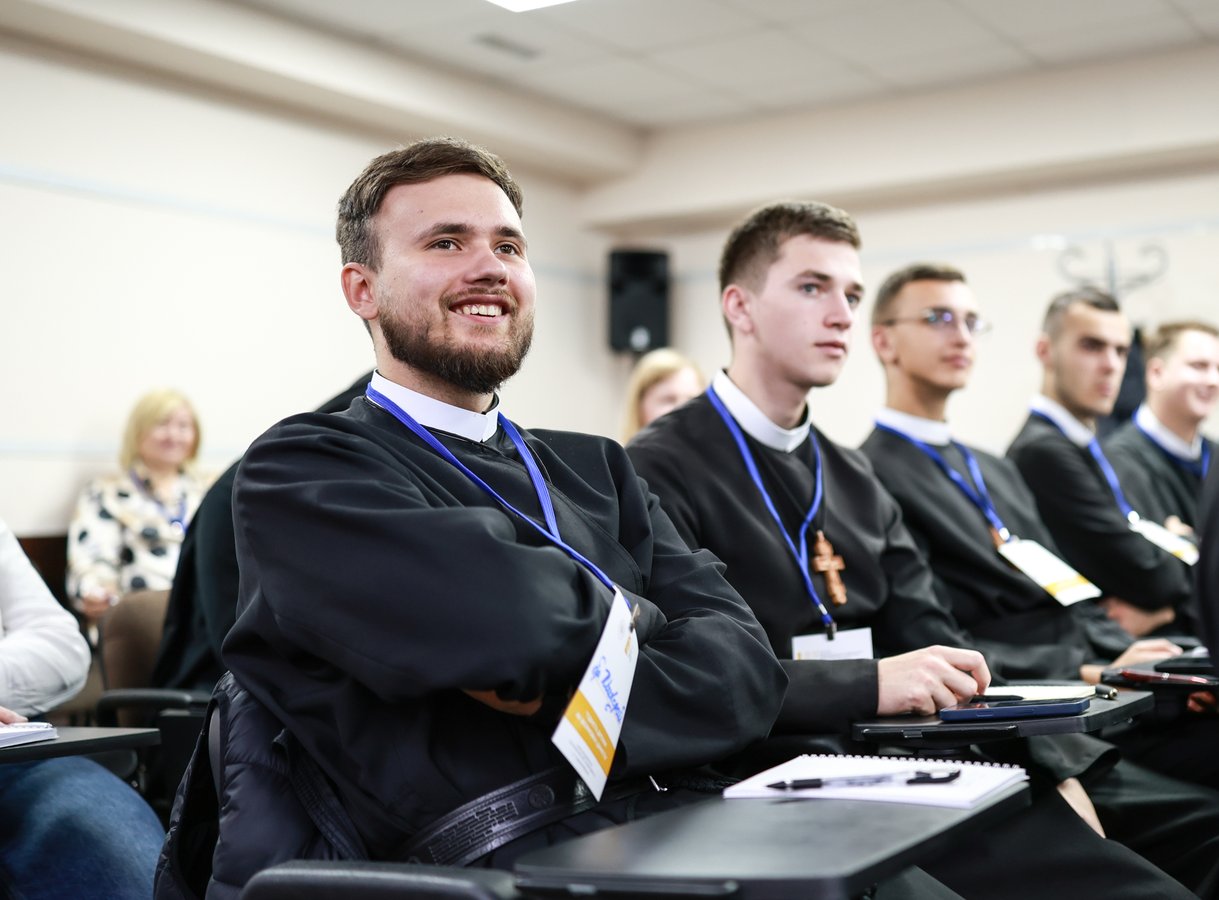
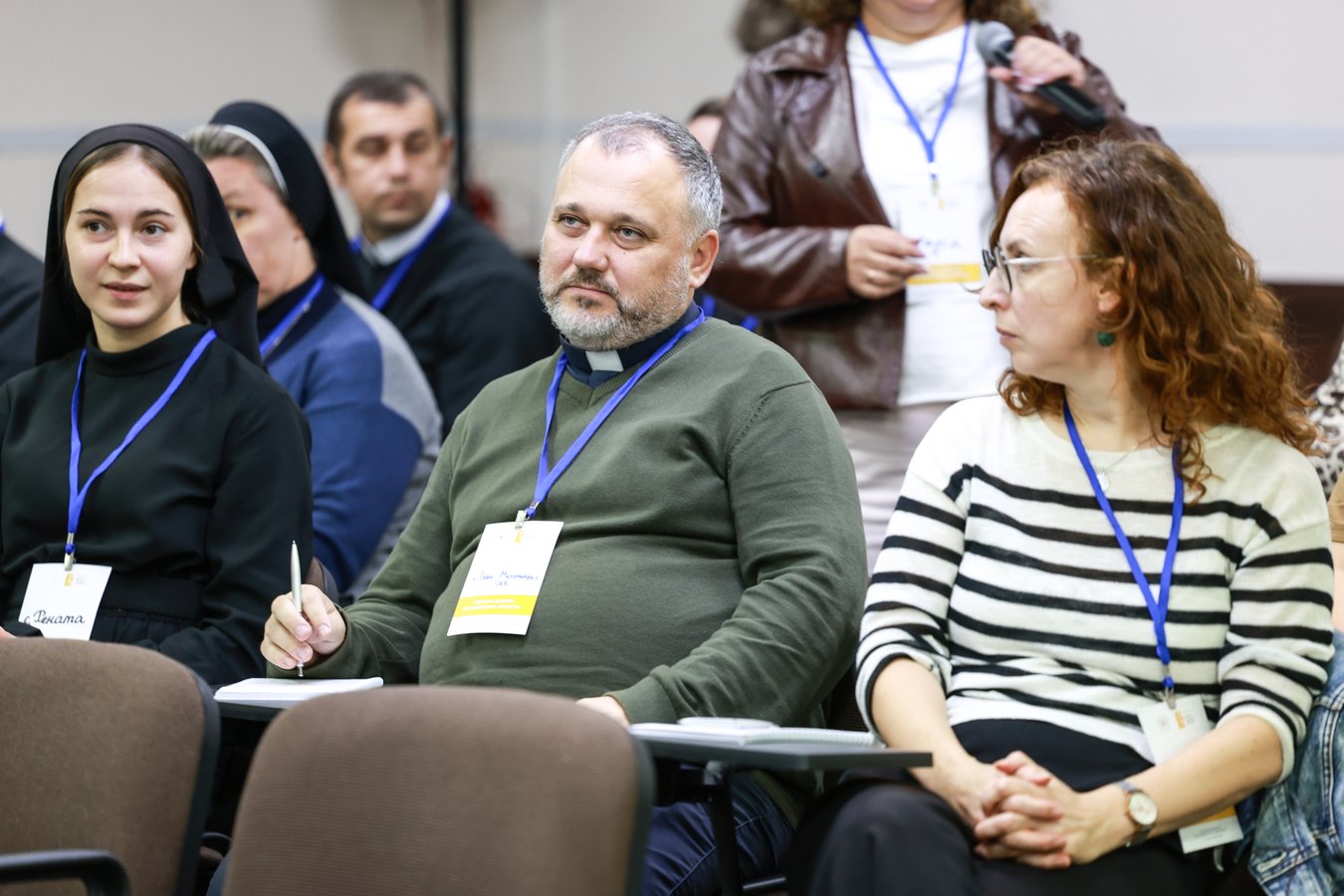
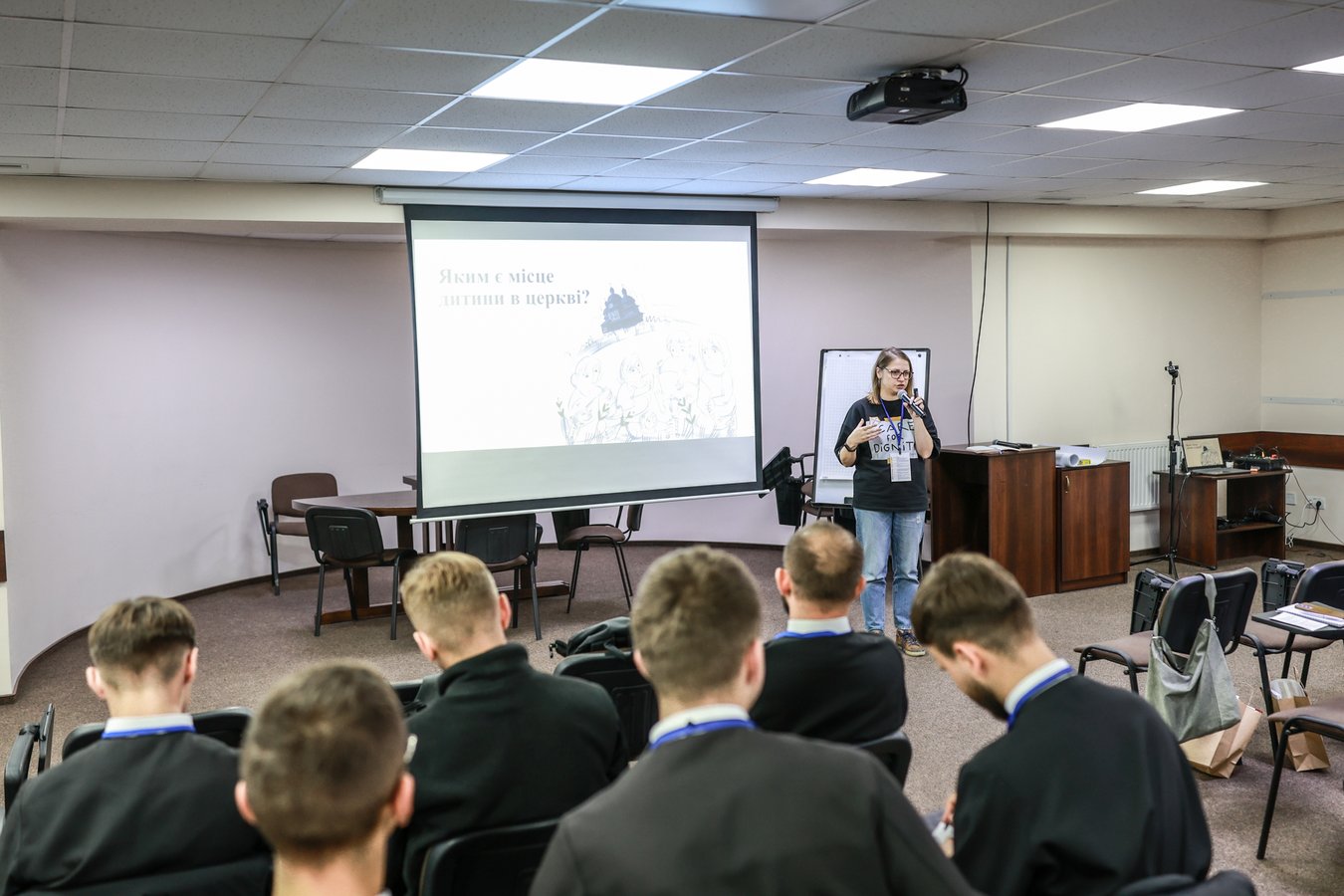
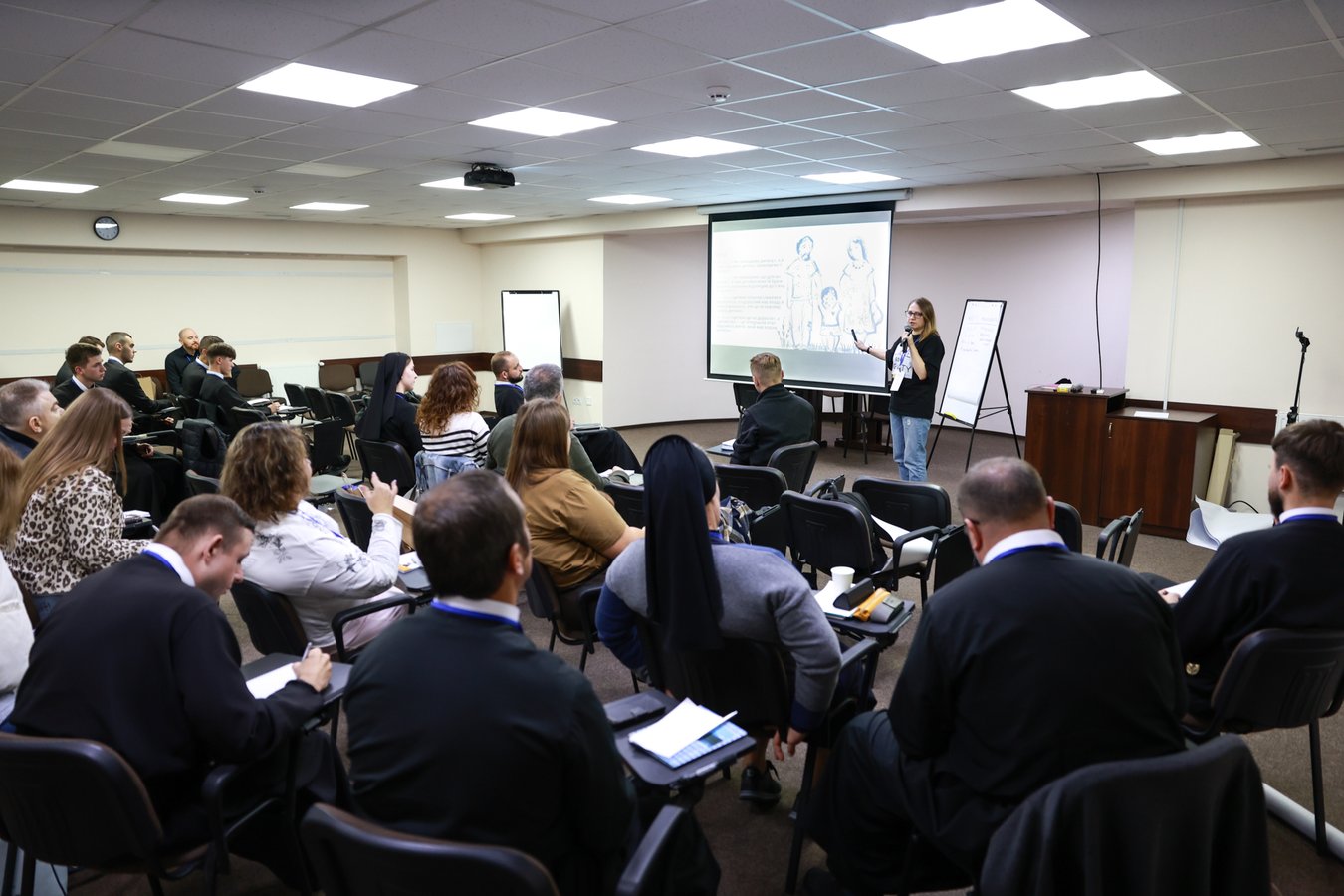
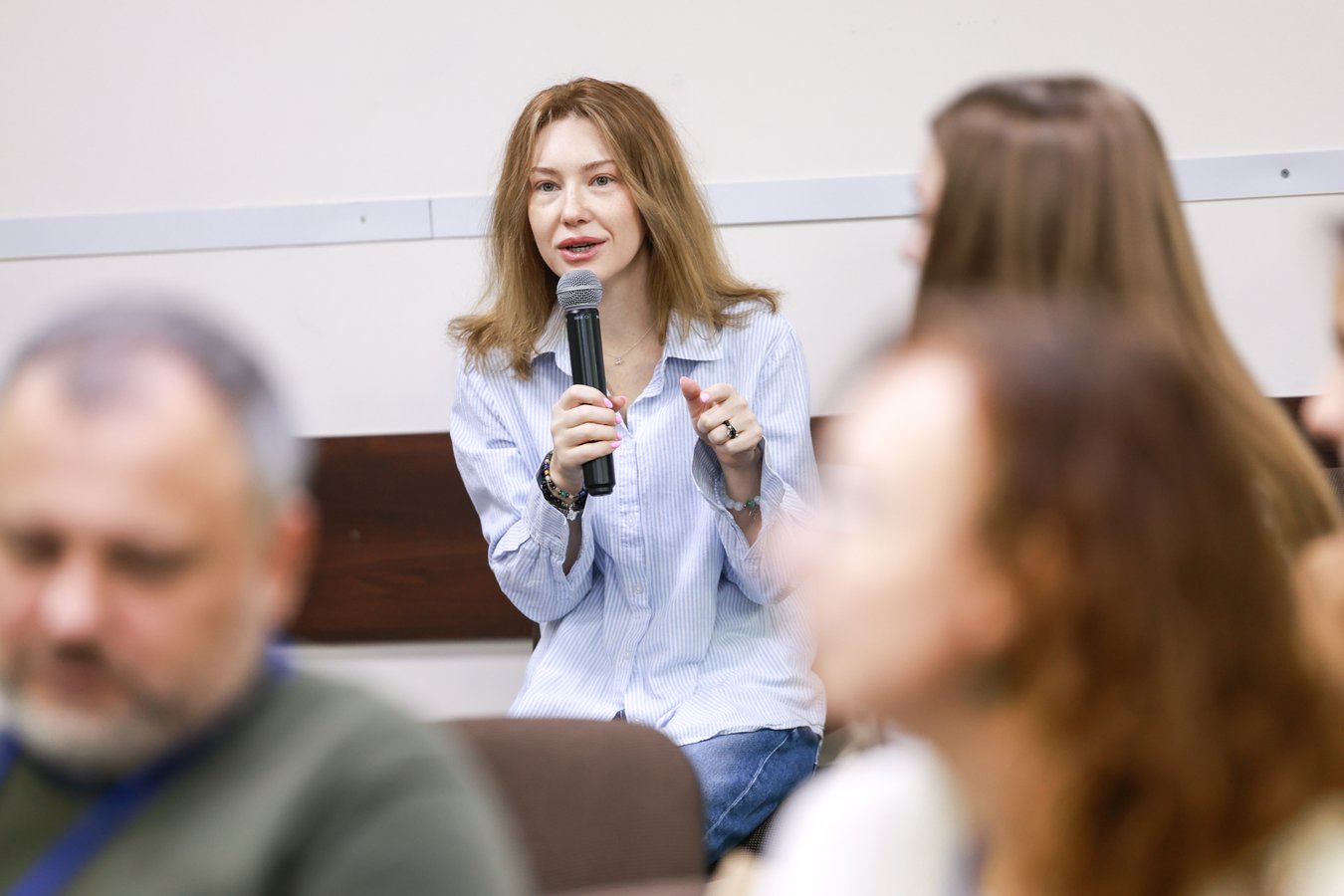
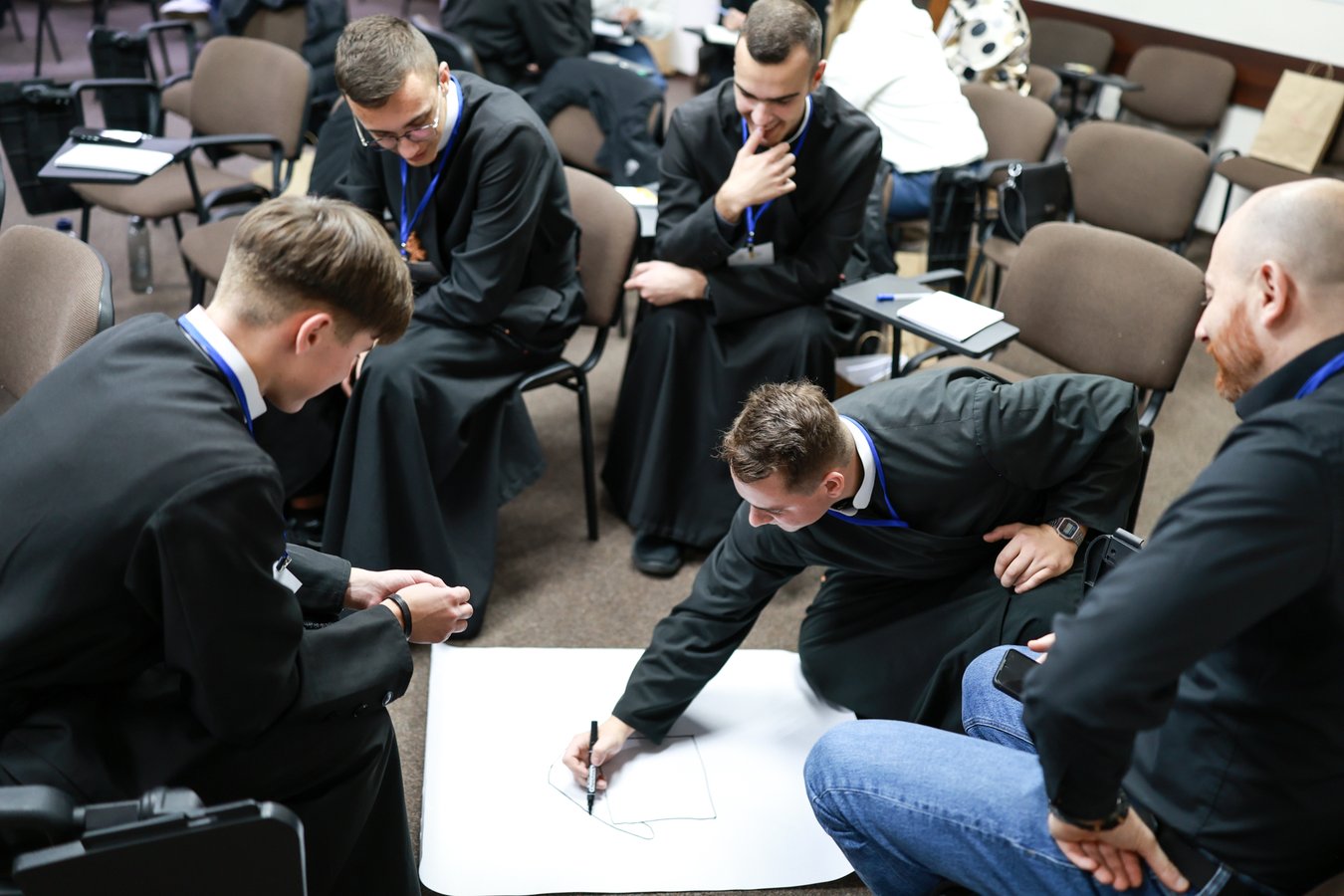
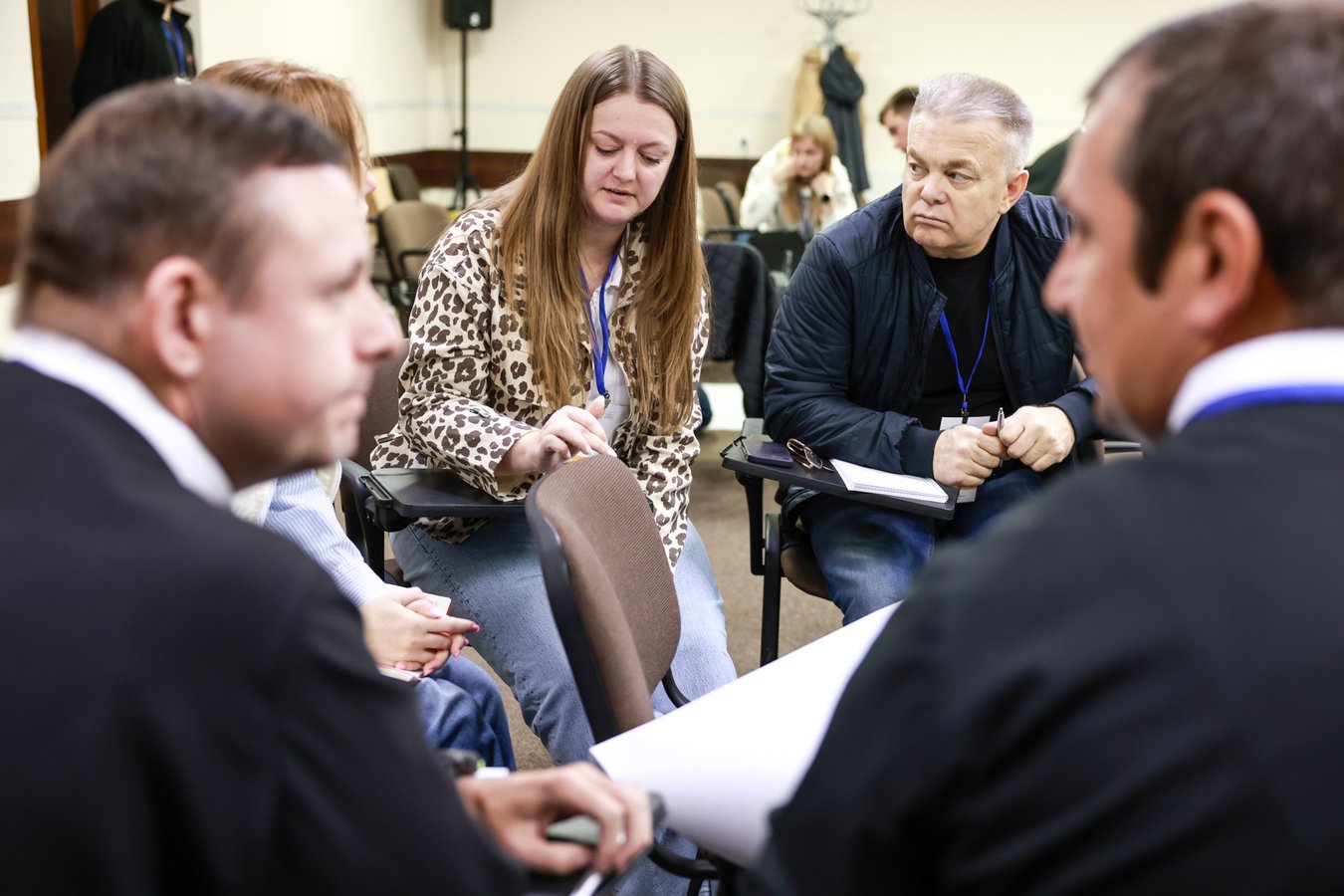
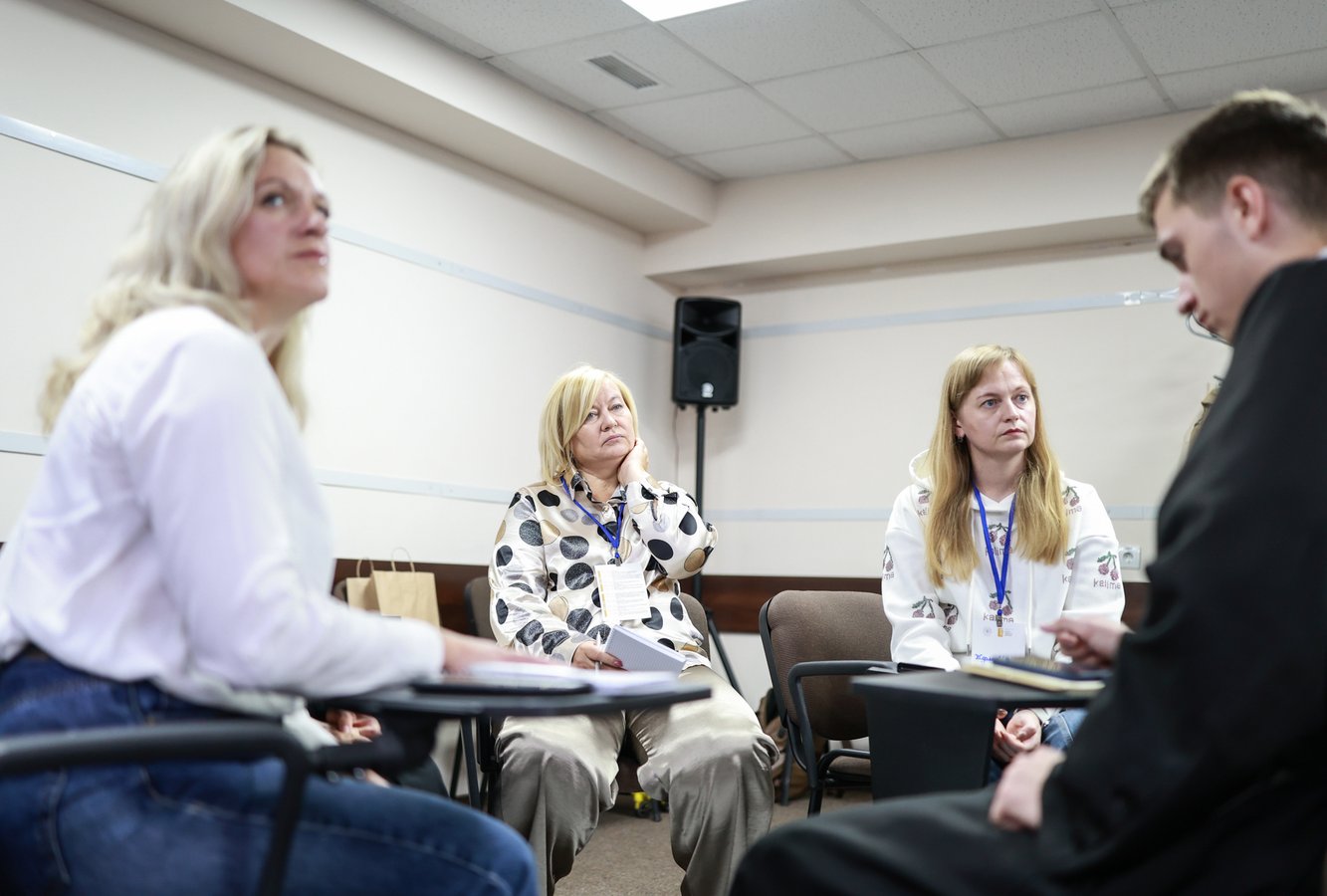
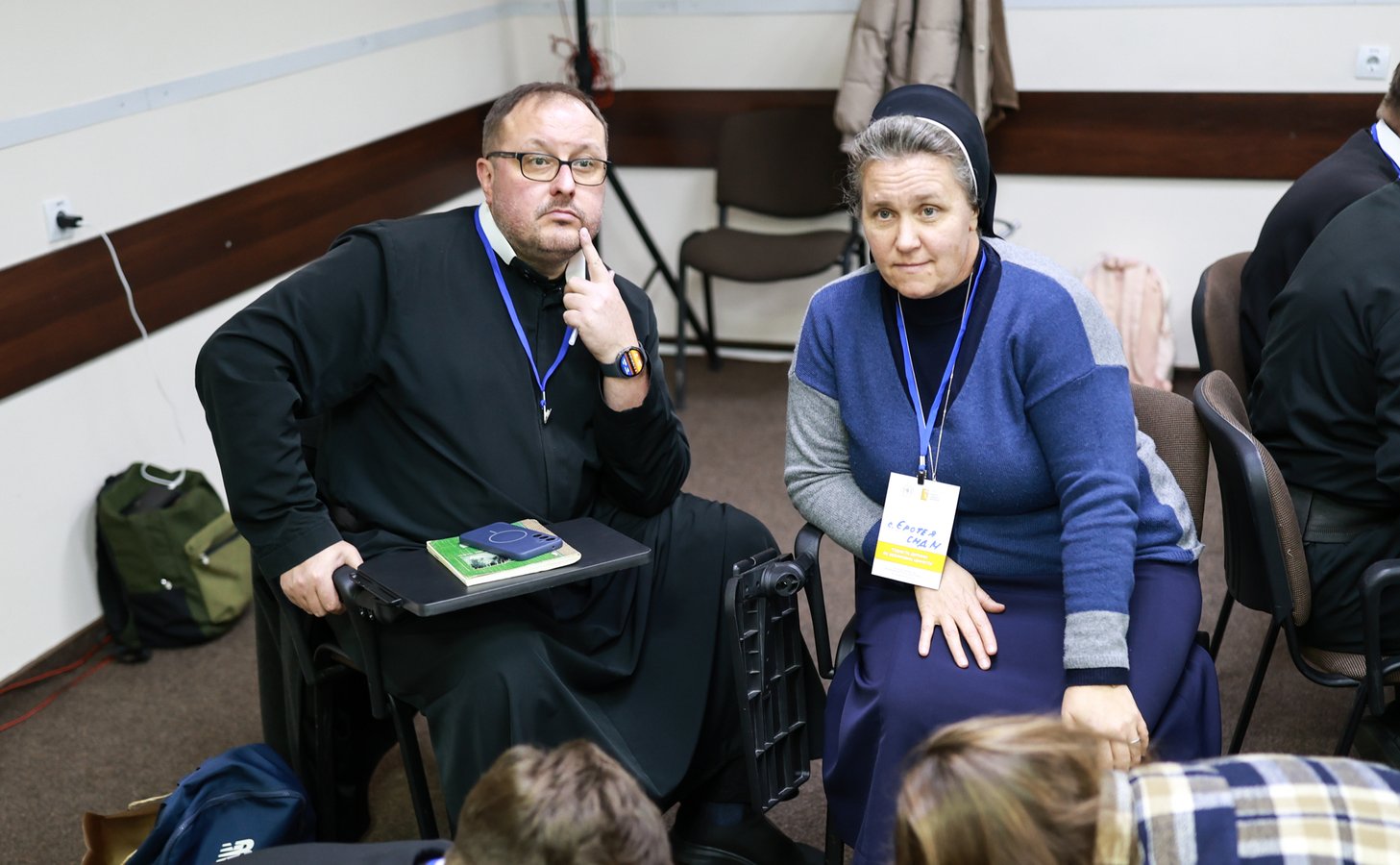
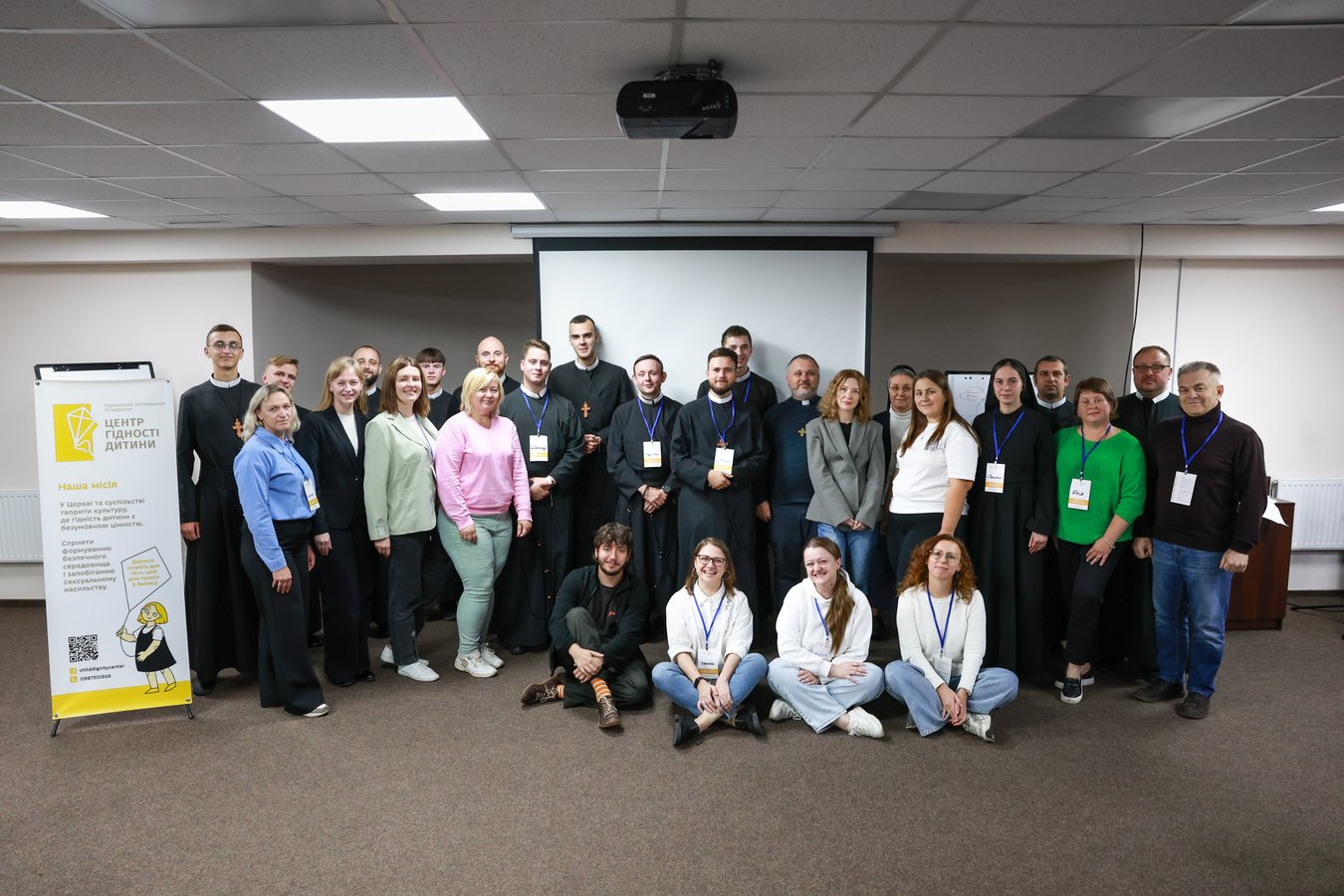
Photo: Tetiana Shtifurko