Creating a safe environment for teenagers: the third ‘TeenEd’ forum at UCU
On 10 October, the Sheptytsky Centre at UCU hosted the ‘TeenEd: Personal Safety for Teenagers’ forum for secondary school pupils. This was the third event organised by the UCU Child Dignity Centre in partnership with the Department of Education and Culture of Lviv City Council, which marked the start of Safety Week in the city. Over 120 secondary school pupils from the city took part in the forum.

In her welcome address to the pupils, Nataliia Tarnovska, head of the “Church” division at the UCU Child Dignity Centre, emphasised that the forum was an opportunity to learn new things about personal safety, share personal experiences and discuss important issues.
‘It is impossible to create a safe environment for teenagers without the teenagers themselves. That is why we have invited you here today and created this space to discuss topics such as self-worth and your rights; where you can learn how to build healthy and safe relationships; how to set personal boundaries; where to find support when things get tough; and how to recognise when you’re not feeling OK and talk to an adult about it,” emphasised Nataliia Tarnovska.


Khrystyna Shabat, head of the UCU Child Dignity Centre, spoke about the ‘GOVORY’ project and reminded everyone about the safety button in the NIT online diary.
“Why are we organising a separate forum for secondary school pupils? We know for a fact that it’s difficult for secondary school pupils to find role models at school, so we’ve invited some interesting and highly valued speakers for you. They’ll help you make sense of complex issues,” noted Khrystyna Shabat, wishing everyone the best of luck in getting the most out of the forum.
Andriy Khmelnytskyi, Deputy Director of the Department of Education and Science at Zaporizhzhia City Council, also welcomed the ‘TeenEd’ participants.
“We are proud of our friendship with Lviv. We look after children’s physical safety every day. In Zaporizhzhia, lessons take place exclusively in shelters. Whilst ensuring physical safety, we would also like to look after their mental well-being. We are now joining the ‘GOVORY’ project. Thank you to the UCU Centre for the Dignity of the Child for the invitation and the warm welcome. This is just the beginning of our collaboration,” said Andrii Khmelnytskyi.


Following the opening session, the secondary school pupils dispersed to their respective lecture theatres. The forum’s programme included six topics to be discussed across three sessions. Two lectures took place simultaneously in each session. The teenagers were able to choose the one that interested them most.
In the first session, Yuliana Maslak, a child psychologist, psychotherapist and co-founder of the ‘Mytci’ Mental Health Centre, spoke to the pupils about self-worth: how to accept oneself and build healthy relationships. It turned into a frank conversation, during which the teenagers shared their thoughts on various situations.
“My job isn’t to teach you how to be great people, because you already know how to do that. My job is to answer your questions so that you can make sense of the important issues. Adolescence is a very challenging time,” noted Yuliana Maslak.
During the discussion, the psychologist explored the topics of friendship, romantic relationships and relationships with parents.
“Remember, in a relationship, no one has the right to control you, forbid you from doing something, keep tabs on you, or dictate how you should dress or who you should be friends with,” emphasised Yuliana Maslak.

Alongside her, Veronika Vaida, a community development specialist and lawyer with the organisation ‘YurFem’, spoke about children’s rights and how they work in practice. She clearly explained to the secondary school pupils what rights teenagers have, how to recognise situations where these rights are being violated, and what to do and who to turn to for help.


The next series of lectures focused on online safety and healthy relationships.
Vasyl Filonenko, a trainer and methodologist at the non-profit organisation ‘Dignity Online’, spoke about online risks, including bloggers, cryptocurrency, trends, FOMO (fear of missing out), IPSO, secret chats, cyberbullying, gambling and online games.
“All these online risks are closely interlinked. Any one of us could fall victim to them,” emphasised Vasyl Filonenko. “If an online risk crosses our personal boundaries, it can become life-threatening.”
Among the consequences, the expert cited sleep problems and emotional exhaustion, which lead to isolation and low self-esteem.
Meanwhile, in another session, Nataliia Tarnovska spoke about what makes relationships safe, how to understand one’s own boundaries, and how to say ‘no’ and respond to another person’s ‘no’.
‘A safe relationship is one in which I can be myself, speak openly about my feelings and needs, say “no” or change my mind without fear of judgement or pressure. It is important not only to be able to protect one’s own boundaries, but also to respect the boundaries of others,” noted Natalia Tarnovska. “Safe relationships begin with mutual respect, trust and the understanding that everyone has the right to be heard.”
The lecture turned into a lively dialogue, during which the teenagers shared what helps them build safe relationships and what gets in the way. As a result, they put together some advice on this topic for younger pupils.

The third series of lectures was led by Khrystyna Hrynchyshyn, a psychologist and psychotherapist at the ‘Family Circle’ Health and Development Centre, and Fr Sviatoslav Vons, a Redemptorist responsible for safety in the Lviv Province.
Khrystyna Hrynchyshyn explained how to recognise unhealthy relationships, where the line lies between care, jealousy and control, and what ‘red flags’ might appear in friendships and romantic relationships.
‘Love and friendship are things for which we are prepared to go to great lengths, but there is another side to relationships – suffering. Do we plan to suffer in relationships? No! But are there relationships without suffering? It is impossible to nurture good relationships without experiencing difficult emotions. It is part of life,’ emphasised Khrystyna Hrynchyshyn.
Fr Sviatoslav Vons focused his lecture on how spirituality helps us to persevere in difficult times.
‘You are not merely a collection of reactions to the news. You are a temple of the Holy Spirit. Your dignity does not depend on external circumstances, failures or victories. It is a gift from God,’ Fr Sviatoslav told the teenagers.
He also touched upon the themes of freedom, faith in times of war and the power of prayer.
‘We Ukrainians are freedom-loving. We know what freedom is and how valuable it is, and it is important to us. Why? If we look at the history of how our spiritual heritage has taken shape, we see that at its very heart is always God, who grants us this freedom. We try to demonstrate the dignity we possess to others,’ emphasised Fr Sviatoslav.


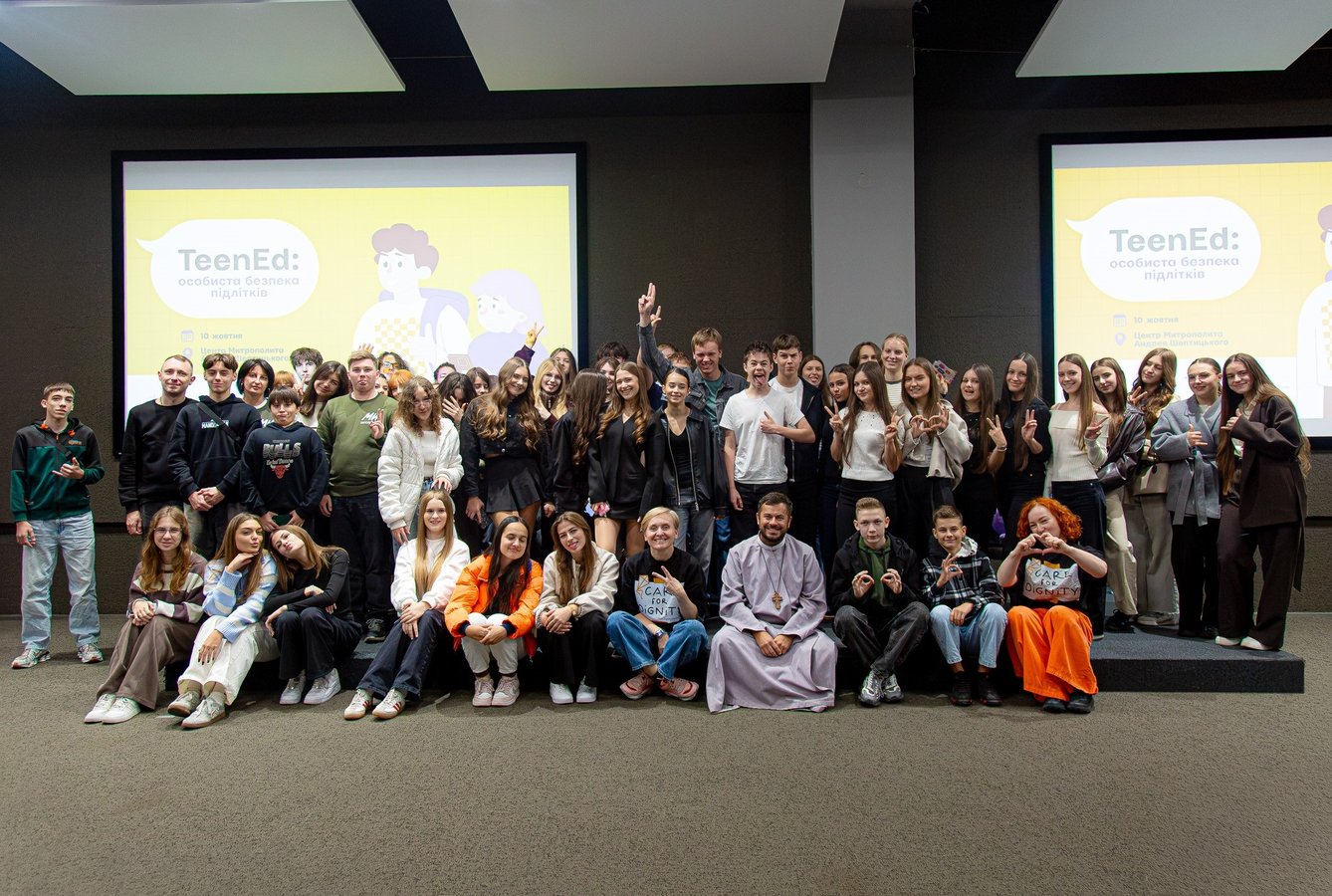
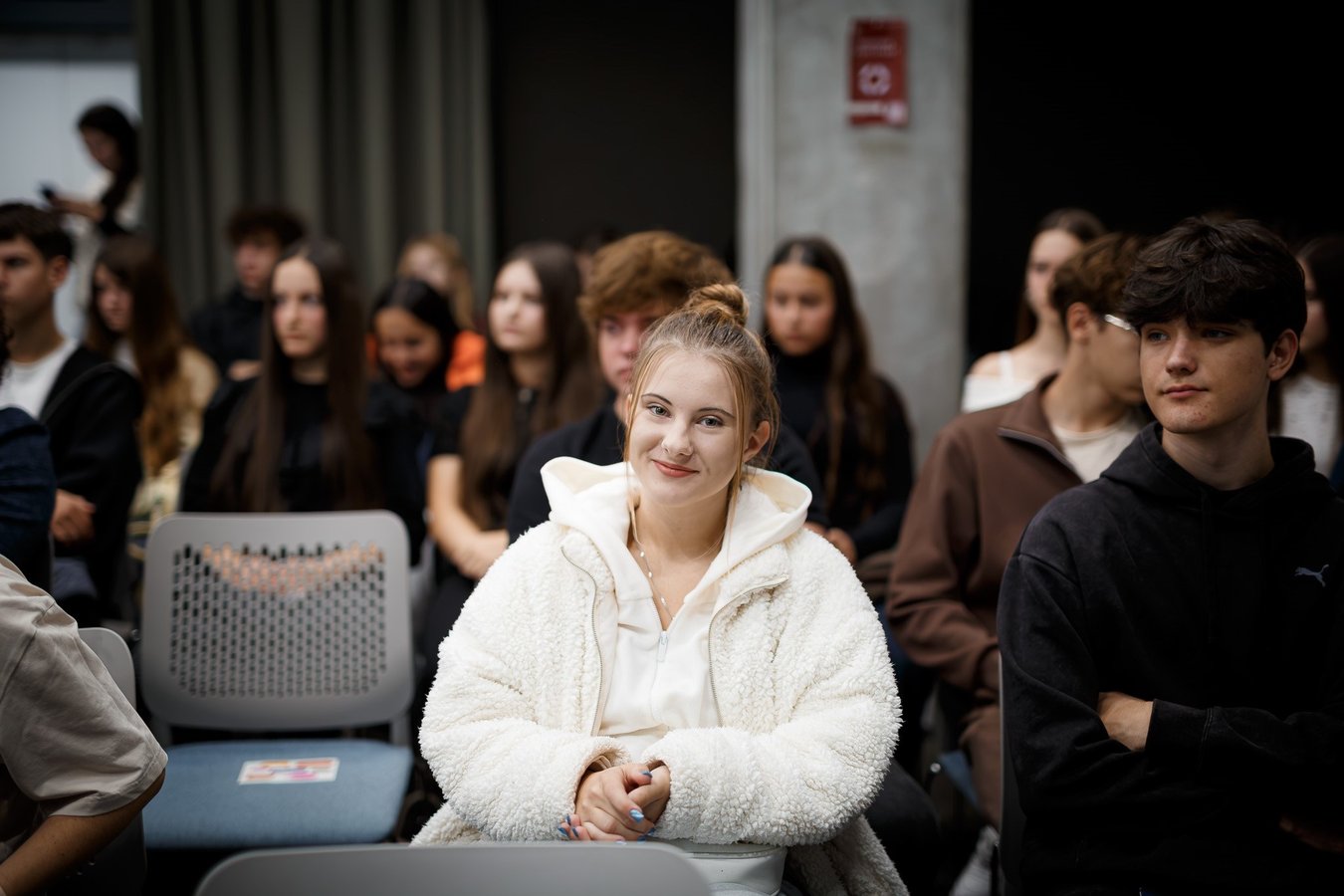
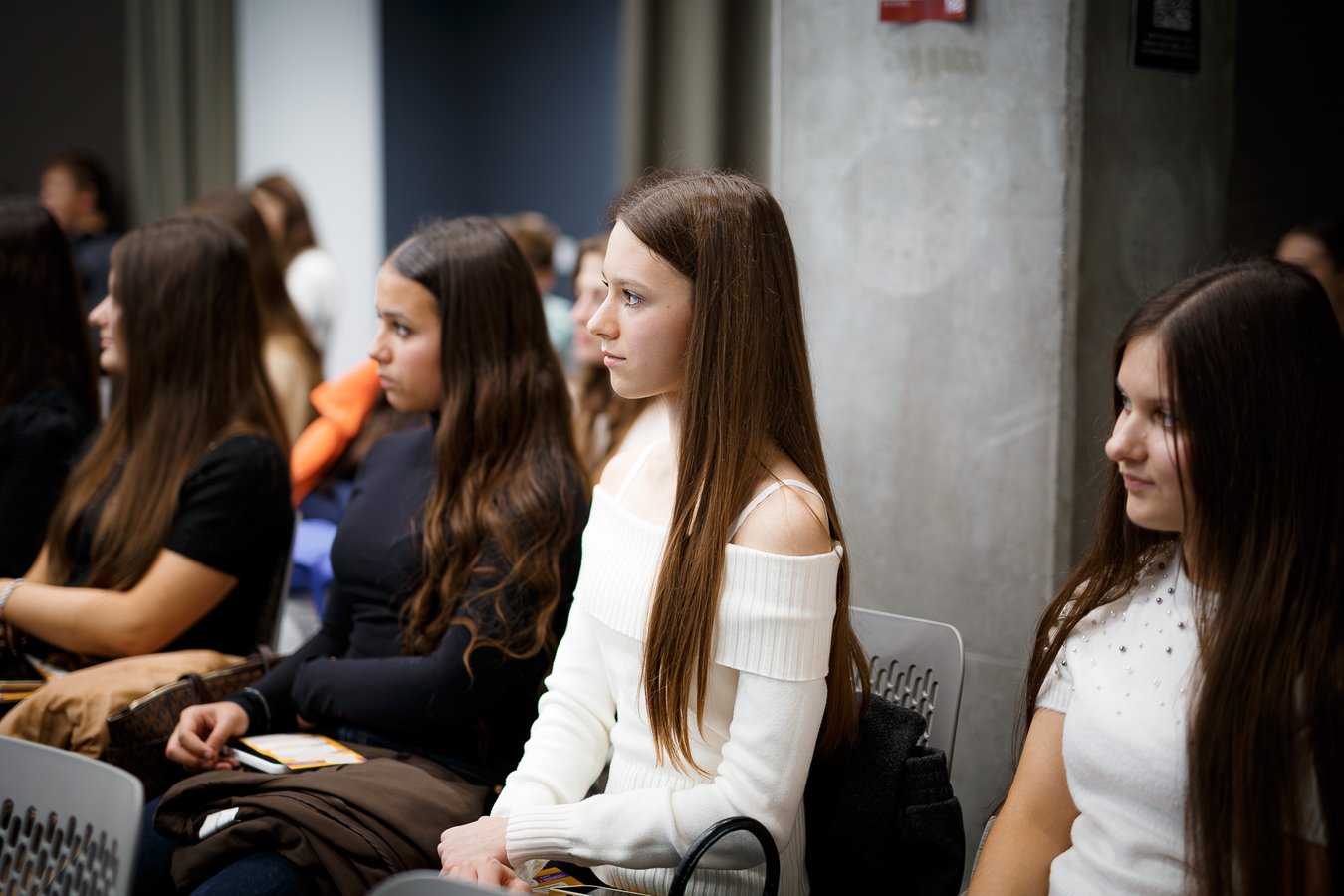
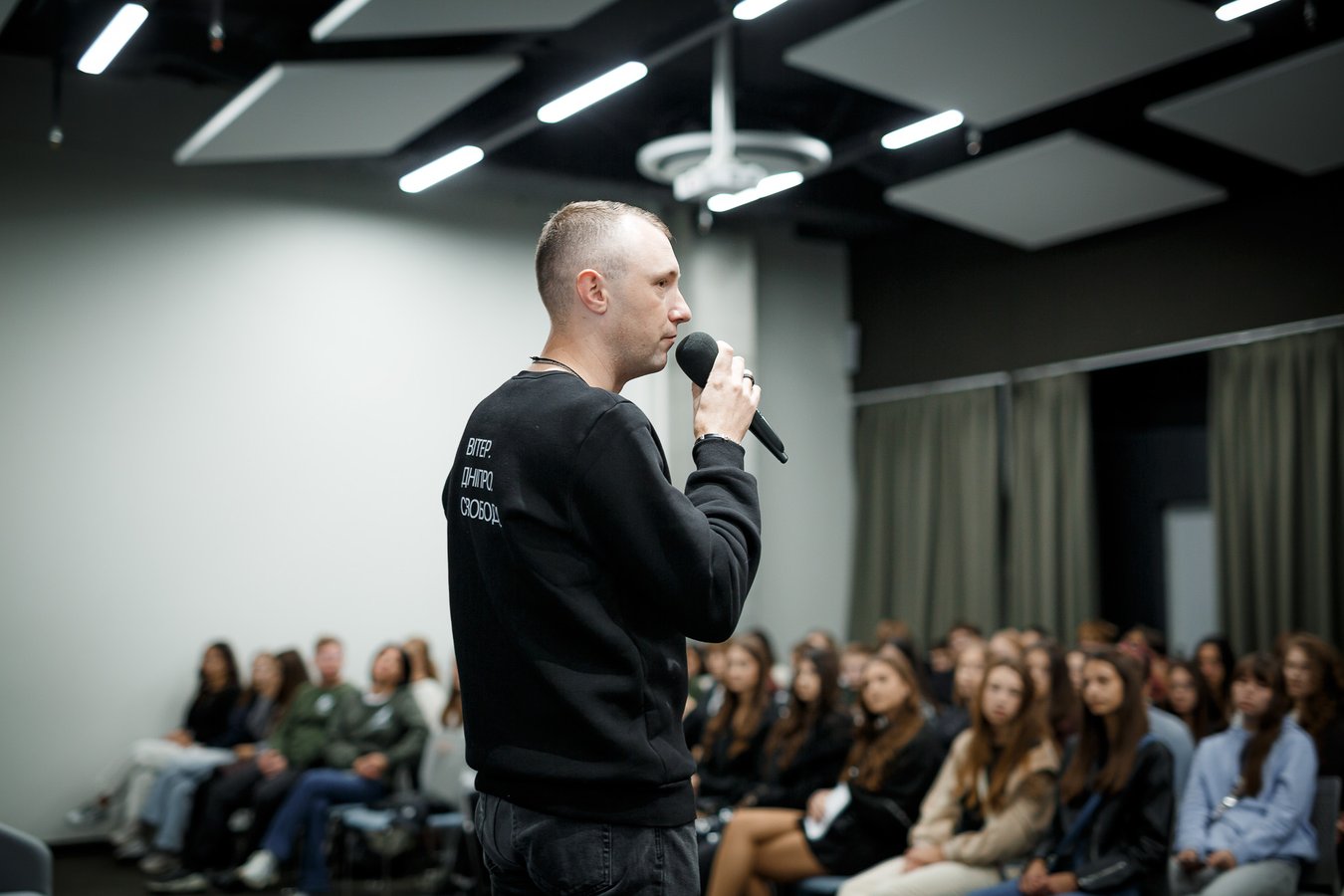
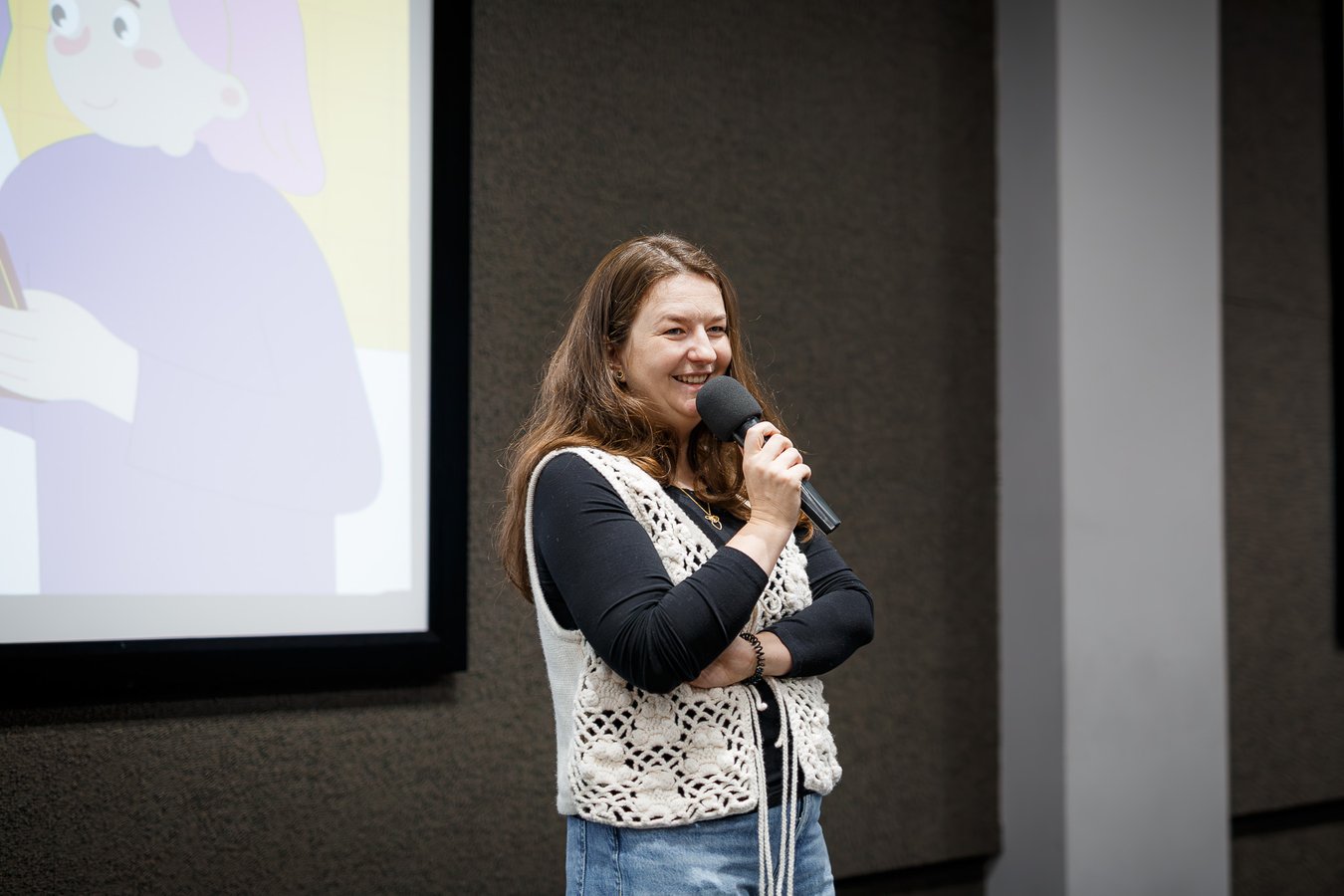
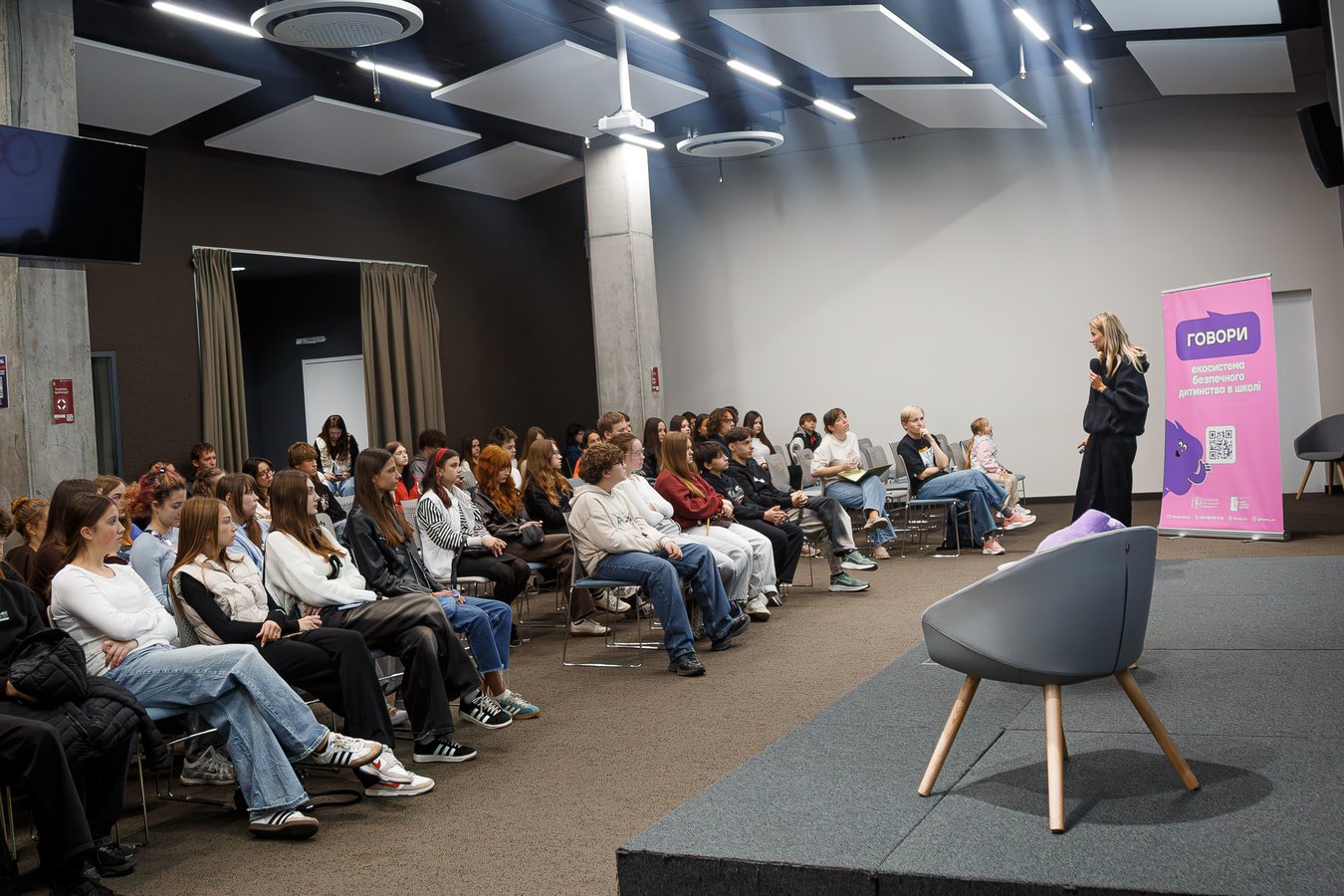
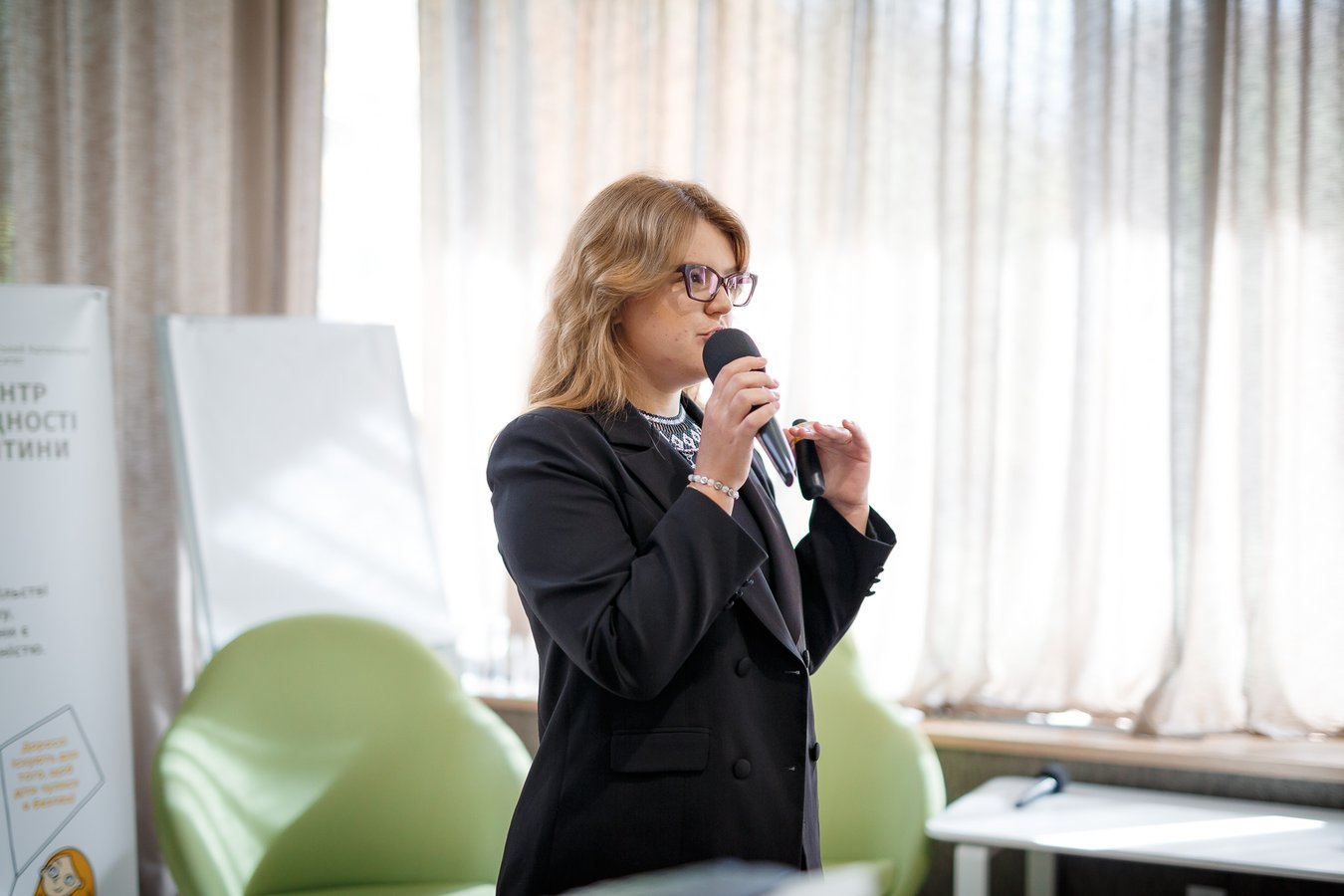
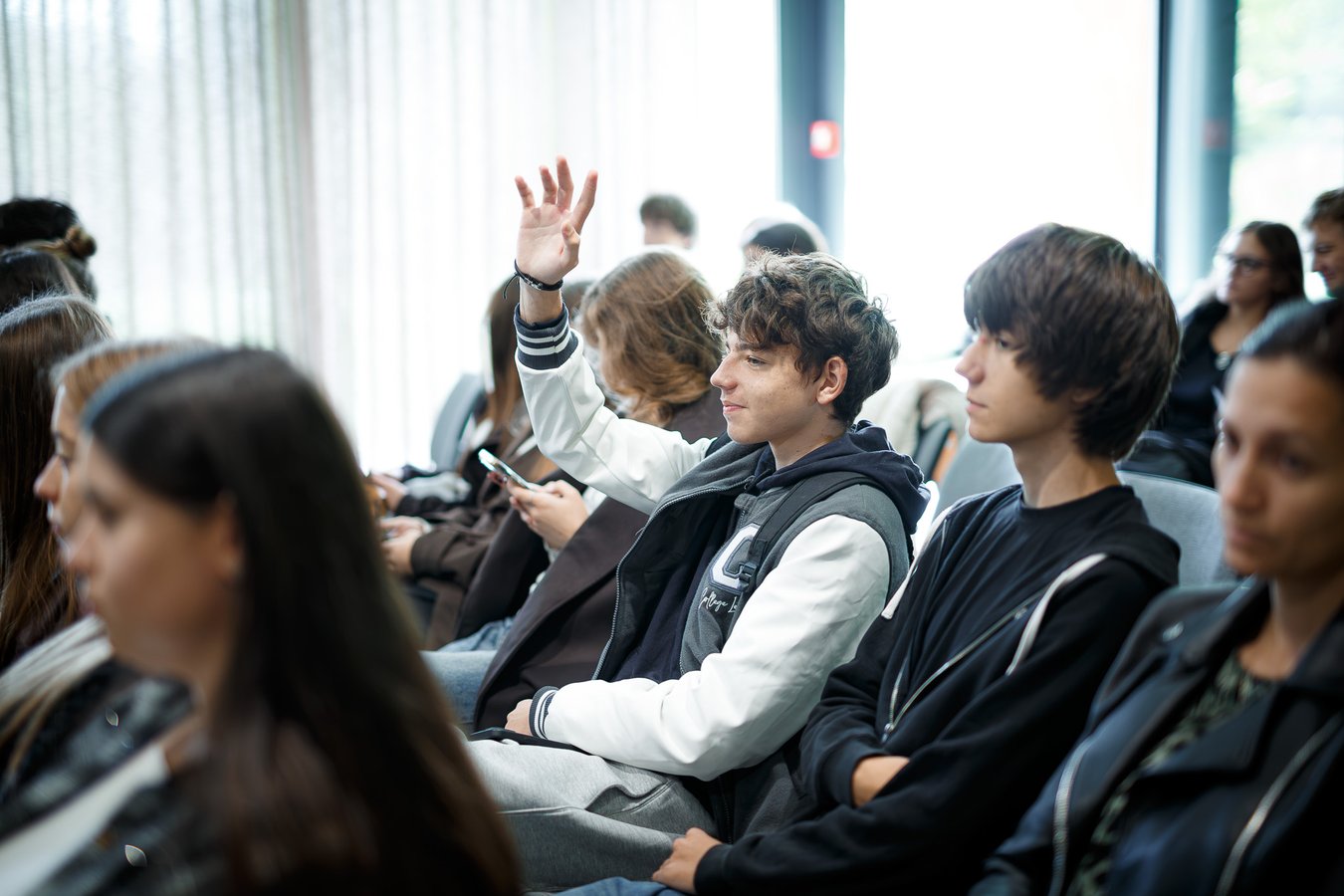
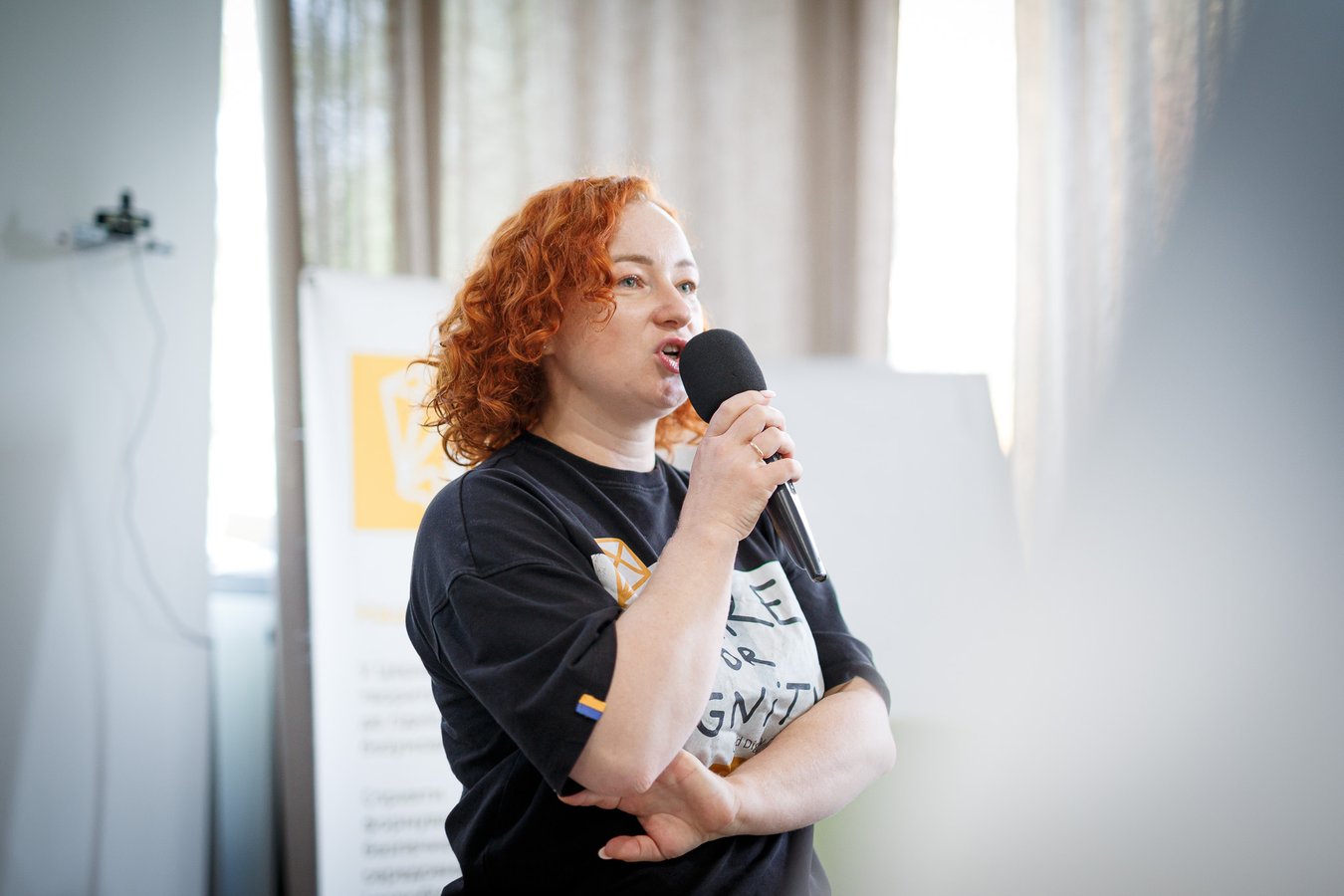
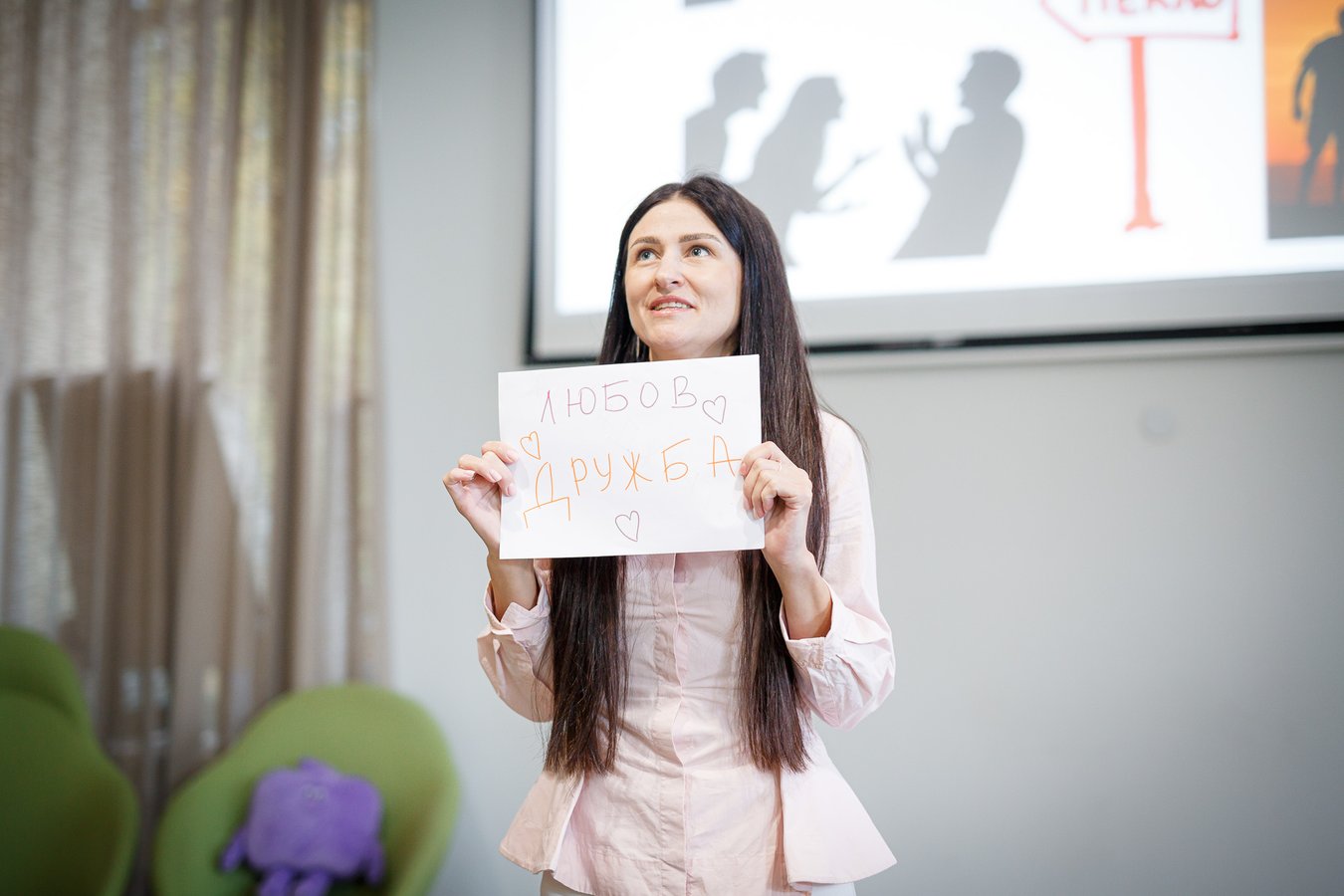
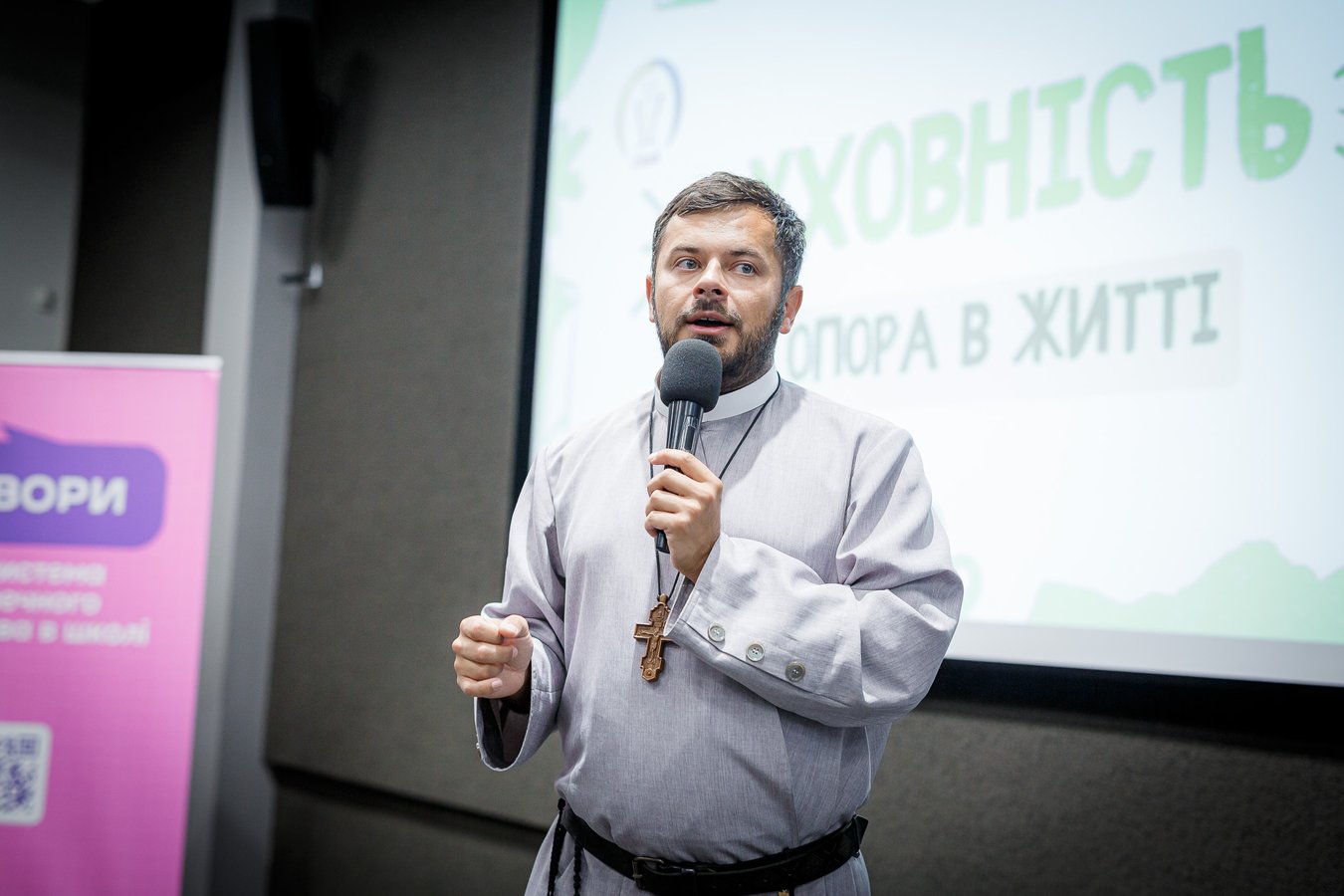
The children engaged actively with the speakers. They asked questions, shared their experiences and views on various situations. Afterwards, they approached the speakers to have their photos taken and to ask about the things that concern them most in their lives.
“We talked about personal values and how to communicate. I learnt a lot of new things for myself. These were sincere conversations with open and honest answers,” shared Eva, a Year 10 pupil.
Photo: Lilia Kalimanova